Oye urges FG to turn economic gains into household benefits
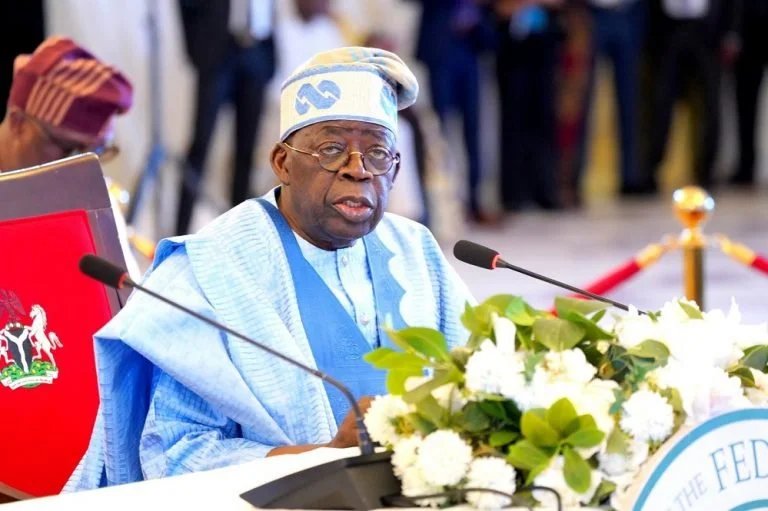
Dele Oye, Chairman of Alliance for Economic Research and Ethics Ltd/GTE, has urged President Bola Tinubu’s administration to translate Nigeria’s recent economic gains into lower food prices, more productive jobs and improved living standards.
/ You Might Also Like /




Oye acknowledged the government’s economic reforms, including petrol subsidy removal, foreign exchange reforms, tighter monetary policy and efforts to rebuild the country’s external reserves. However, he argued that macroeconomic stability should ultimately be measured by its impact on households and businesses.
According to The Sun, Oye made the remarks in a statement titled “The Economy Is Stabilising. Now Let the People Feel It.”
Nigeria’s External Reserves Reach $53.11bn
Oye pointed to Nigeria’s foreign exchange reserves as one of the indicators of improving economic stability.
The country’s external reserves reached $53.11 billion as of August 24, 2026, representing a 17-year high, according to figures cited in the report.
The stronger reserve position provides a larger external buffer for the economy and could support greater confidence in Nigeria’s foreign exchange market.
However, Oye argued that stronger macroeconomic indicators should not remain limited to financial and monetary statistics.
He said the benefits should become visible through improved purchasing power, stronger employment opportunities and better living conditions.
Oye Calls for Lower Food Prices
Food affordability remains one of the most immediate concerns for Nigerian households, making the transmission of economic improvements to consumer prices particularly important.
Oye's position is that economic stabilisation should eventually support conditions that allow food prices to moderate while increasing household incomes.
For the housing market, food affordability also matters because households typically allocate income across several essential expenses before considering rent, mortgage payments or home construction.
When food and other basic costs absorb a larger share of household income, the amount available for housing falls. Sustained improvement in household purchasing power could therefore strengthen demand for formal housing, mortgage products and rental accommodation.
Economic Stability Could Support Housing Investment
A stronger external reserve position can also influence investor confidence and economic planning.
For developers, contractors and property investors, greater stability in the foreign exchange market can improve visibility around the cost of imported construction equipment, machinery and some building materials.
However, a stronger naira or higher reserves alone will not automatically reduce property prices.
Land costs, construction materials, labour, infrastructure, interest rates, taxation and development charges continue to influence the overall cost of delivering housing.
The wider economic objective, therefore, is to create an environment where lower financial and currency risks combine with increased household purchasing power and stronger investment activity.
Jobs Remain Critical to Housing Affordability
Oye also called for more productive employment, highlighting the importance of ensuring that economic growth creates opportunities that improve household incomes.
Employment is closely connected to housing demand because the ability to rent, buy or build depends largely on stable and predictable income.
For Nigeria’s housing sector, stronger employment could expand the pool of households capable of accessing mortgages and formal rental housing.
It could also strengthen demand for residential developments in areas benefiting from new economic activity, industrial investment and infrastructure expansion.
Economic Reforms Must Reach Households
The comments underline the challenge facing policymakers as Nigeria seeks to consolidate recent economic reforms.
Oye credited the administration with taking difficult decisions, including petrol subsidy reforms, foreign exchange reforms, an end to monetary financing of fiscal deficits and tighter monetary policy. He also recognised efforts to rebuild external reserves.
The next challenge is ensuring that these measures translate into measurable improvements in household welfare.
For the housing sector, this means creating conditions that support income growth, lower financing costs, improved infrastructure and greater access to long-term housing finance.
Outlook for Nigeria’s Housing Market
Nigeria’s stronger external position could provide a foundation for increased investment and greater economic stability, but the benefits will depend on how effectively they reach households and productive sectors.
For the housing market, the key indicators to watch will include household purchasing power, mortgage rates, construction costs, inflation, employment and the availability of infrastructure.
If economic stability translates into stronger incomes and lower cost pressures, it could improve housing affordability and stimulate demand. Without that transmission, improvements in macroeconomic indicators may have a more limited effect on the housing market.
Oye’s call therefore places the focus on the next stage of Nigeria’s economic recovery: moving from improved national indicators to tangible improvements in the daily economic conditions of households and businesses.
READ MORE