Okonjo-Iweala Recounts How Nigeria Secured Historic Paris Club Debt Relief
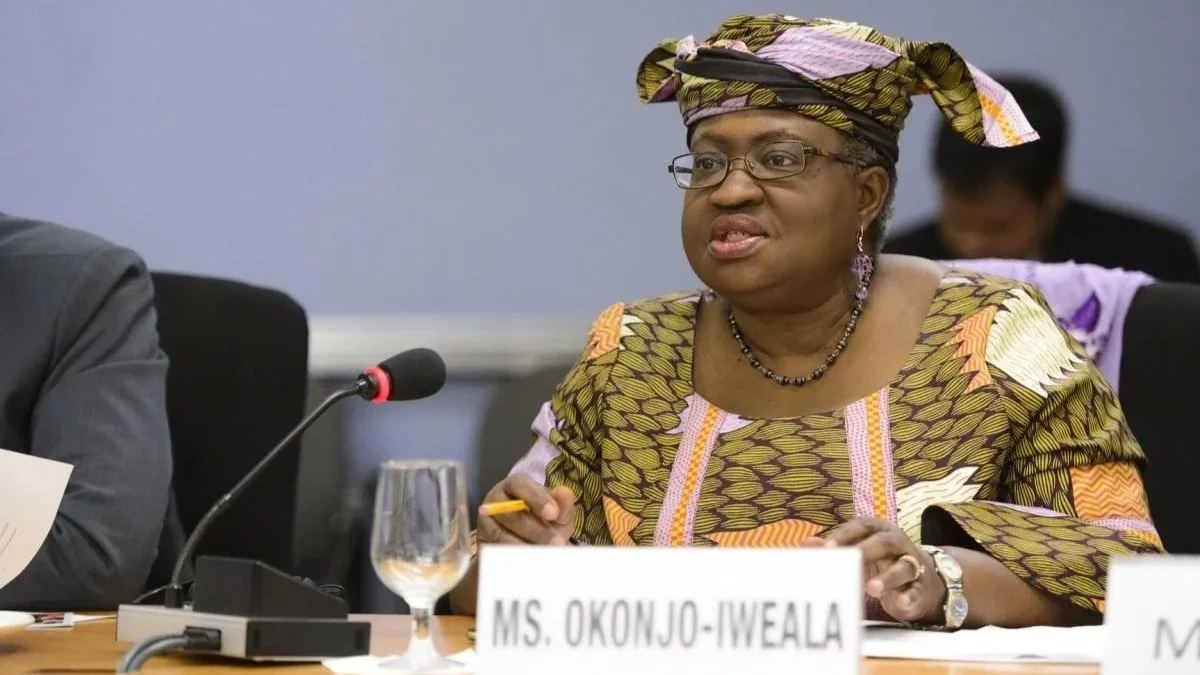
WTO Chief Recounts Negotiations Behind Nigeria's Paris Club Debt Relief
World Trade Organization (WTO) Director-General Dr. Ngozi Okonjo-Iweala has reflected on the events that led to Nigeria's historic Paris Club debt relief, describing the agreement as one of the country's most significant economic achievements and a turning point in restoring fiscal stability.
Speaking during a public engagement, the former Minister of Finance recalled the complex negotiations that culminated in Nigeria securing debt relief from the Paris Club of creditor nations in 2005. She said the breakthrough was achieved through a combination of disciplined economic reforms, sustained diplomatic engagement and the country's commitment to prudent fiscal management.
/ You Might Also Like /



According to Okonjo-Iweala, Nigeria faced significant scepticism during the negotiations, with many creditor nations initially reluctant to grant debt relief. However, the government remained committed to implementing reforms that demonstrated its ability to manage public finances responsibly and sustain economic growth.
A Landmark Economic Achievement
The Paris Club agreement resulted in the cancellation of approximately $18 billion of Nigeria's external debt, while the country paid off the remaining balance, bringing an end to decades of debt obligations that had placed significant pressure on public finances.
Okonjo-Iweala explained that the negotiations required extensive engagement with international financial institutions, creditor governments and development partners. She noted that the successful outcome was made possible by Nigeria's determination to pursue transparency, fiscal discipline and macroeconomic reforms.
She described the agreement as a milestone that improved Nigeria's international credit standing and created greater confidence among investors and development partners.
Lessons from the Negotiations
Reflecting on the process, Okonjo-Iweala emphasised the importance of leadership, policy consistency and credibility in managing a country's economic affairs.
She noted that difficult reforms often require political will and long-term commitment, adding that Nigeria's experience demonstrated the value of maintaining constructive relationships with international financial institutions while implementing domestic economic reforms.
According to her, the debt relief agreement also highlighted the importance of prudent debt management and responsible borrowing to ensure long-term fiscal sustainability.
Impact on Economic Development
The former finance minister said the debt relief created additional fiscal space for government spending on development priorities, allowing greater investment in infrastructure, education, healthcare and poverty reduction programmes.
She explained that reducing the country's debt burden strengthened Nigeria's macroeconomic position and enabled subsequent administrations to pursue broader economic development initiatives with improved financial flexibility.
Okonjo-Iweala added that maintaining sustainable debt levels remains essential for supporting long-term economic growth and protecting public finances against external shocks.
Implications for Housing and Infrastructure
Although the Paris Club debt relief was concluded nearly two decades ago, its lessons remain relevant for Nigeria's housing and infrastructure sectors.
Improved fiscal stability gives governments greater capacity to invest in roads, urban infrastructure, housing programmes and public services that support economic development. Sound debt management can also strengthen investor confidence, improve access to development financing and create a more stable environment for long-term infrastructure investment.
For the housing sector, maintaining sustainable public finances remains critical to financing affordable housing initiatives, expanding mortgage institutions and delivering essential infrastructure that supports residential and commercial development.
Outlook
Okonjo-Iweala's reflections come at a time when Nigeria continues to balance infrastructure needs with fiscal sustainability and economic reforms. Her account serves as a reminder that responsible debt management, credible economic policies and institutional reforms remain central to attracting investment and maintaining macroeconomic stability.
As Nigeria pursues new investments in housing, transport and urban development, policymakers will continue to face the challenge of financing growth while ensuring that public debt remains sustainable. The experience of the Paris Club negotiations underscores the importance of prudent fiscal management in supporting long-term economic and infrastructure development.
READ MORE