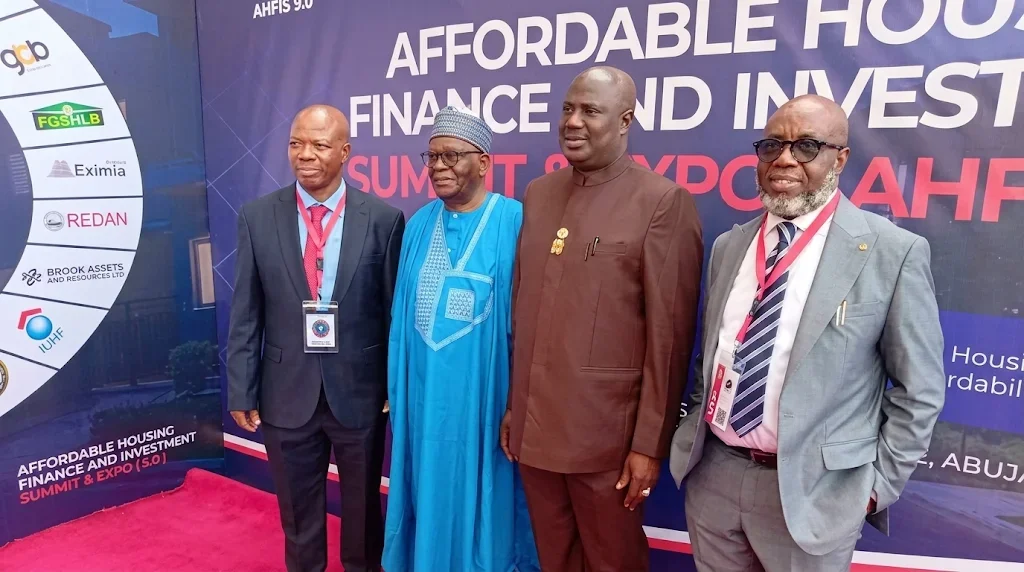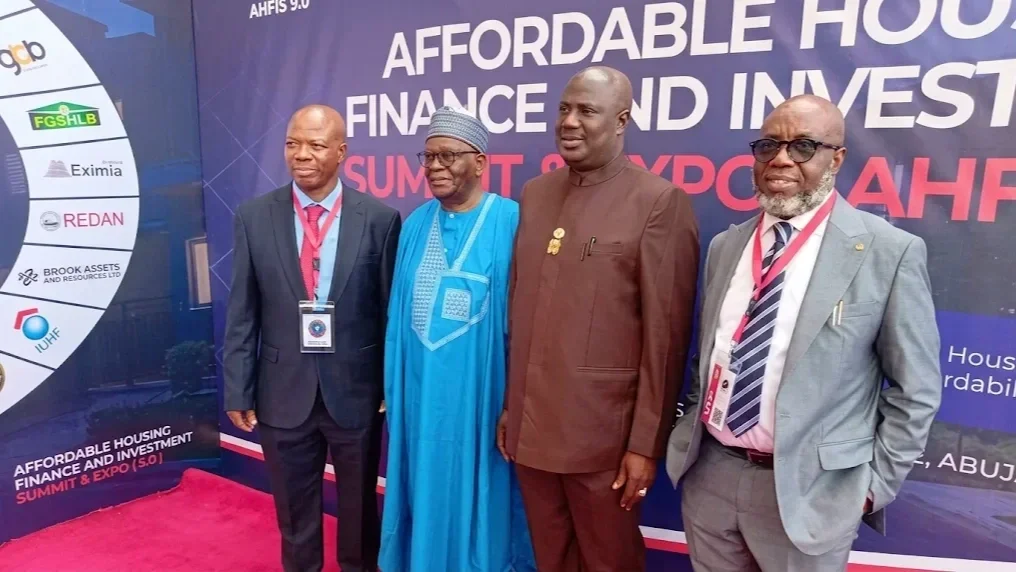
Finance Minister Taiwo Oyedele has urged stronger mortgage financing, institutional partnerships
Nigeria needs stronger and more sustainable housing finance systems to expand affordable homeownership, Finance Minister and Coordinating Minister of the Economy, Taiwo Oyedele, has said.
Oyedele made the call on Tuesday, November 17, 2026, at the ninth Affordable Housing Finance and Investment Summit and Expo (AHFIS 9.0) in Abuja, where stakeholders highlighted high construction costs, limited long-term funding and expensive mortgages as major obstacles to addressing the country's housing shortage.
/ You Might Also Like /




Represented by his Special Assistant on Physical Risk Management and Sustainability, Greg Ezeilo, the minister argued that Nigeria's housing challenge extends beyond the construction of buildings. He said the country also needed financing structures that connect housing supply with the purchasing capacity of households.
The discussions focused on mobilising domestic and international capital, improving mortgage access, strengthening institutional coordination and developing financing products that reflect the income patterns of Nigerians.
High Construction Costs and Limited Mortgage Access Restrict Homeownership
Oyedele identified high construction costs, inadequate access to long-term finance, expensive mortgage products and difficulties in perfecting land titles as major barriers to homeownership.
He said housing development should move away from isolated projects towards a demand-driven and financially sustainable approach supported by credible credit assessment systems, innovative mortgage structures and long-term funding.
The minister also called for financing products that accommodate Nigerians with irregular, seasonal and informal-sector incomes, many of whom struggle to qualify for conventional mortgages.
His position highlights a persistent mismatch in Nigeria's housing market: the need for more homes does not automatically translate into effective demand when prospective buyers cannot secure affordable financing.
Stakeholders Call for Wider Participation in Housing Finance
Oyedele urged stronger collaboration among property developers, mortgage institutions, commercial banks, pension funds, insurance companies, capital market operators and public institutions.
Greater participation from these groups could help mobilise longer-term capital and diversify the sources of funding available for housing development and mortgages.
The Chairman of the AHFIS Board, Ibrahim Gambari, also highlighted the potential of digital technology to improve access to housing finance.
He said digital infrastructure could strengthen transparency, improve savings and contribution systems, support credit assessment and connect prospective homeowners with verified housing opportunities.
However, Gambari cautioned that technology alone could not resolve the housing crisis without sound governance, appropriate institutional arrangements, financial partnerships and supportive policies.
He urged stakeholders to prioritise mortgage penetration, domestic and international capital mobilisation, cooperative housing and affordable building materials.
Nigeria's Housing Deficit Estimated at 28 Million Units
Dangote Cement's North-Central Regional Director, Bankole George, said Nigeria's housing deficit was estimated at 28 million units, with approximately ₦21 trillion required to address the shortage.
He said the scale of the deficit reflected the difficulties many households face in accessing adequate accommodation, with some families resorting to unfinished buildings and makeshift shelters.
George called for simpler mortgage processes, improved land administration and stronger public-private partnerships to encourage investment in affordable housing.
He also advocated alternative financing arrangements, including cooperative savings, rent-to-own schemes, employer-assisted housing and flexible repayment plans for informal-sector workers.
He stressed that housing supply must align with effective demand, warning that building more homes would not resolve the shortage if prospective buyers could not afford or finance them.
AHFIS Proposes 500-Unit Affordable Housing Development
Earlier at the summit, AHFIS founder and convener, Saheed Adelakun, announced a proposed 500-unit affordable housing development in Abuja, with prices capped at ₦20 million per unit.
The proposed project is intended to demonstrate a cooperative-driven, developer-financed and digitally enabled homeownership model.
Adelakun said organisers were working to secure guarantees from prospective homebuyers to provide developers with greater confidence, while arranging pre-approved mortgages for eligible buyers who were saving towards their equity contributions.
The proposal seeks to connect verified demand with financing and housing delivery. However, the announcement represents a proposed development, not confirmation that construction has started or that the units are available for purchase.
Sustainable Financing Remains Central to Housing Delivery
The summit's discussions reinforce the need to address both the supply and financing sides of Nigeria's housing market.
Developers require access to affordable, long-term capital to reduce construction financing pressures, while prospective homeowners need mortgages and repayment structures that reflect their incomes.
Expanding the role of pension funds, insurance companies, commercial banks and capital market operators could help mobilise domestic investment for housing. Cooperative savings and rent-to-own arrangements could also provide alternative routes for households that cannot meet conventional mortgage requirements.
For policymakers and investors, the central challenge is to create financing structures that make housing projects commercially viable while keeping completed homes within the reach of intended buyers.
The proposals discussed at AHFIS 9.0 will require clear implementation frameworks, credible borrower assessment, reliable land documentation and sustained funding to translate financing commitments into completed and occupied homes.
READ MORE