NNPC and CBN agree on new energy financing framework
The Nigerian National Petroleum Company Limited (NNPC) plans to use its assets and balance sheet to raise capital for oil and gas projects under a new financing framework agreed with the Central Bank of Nigeria (CBN).
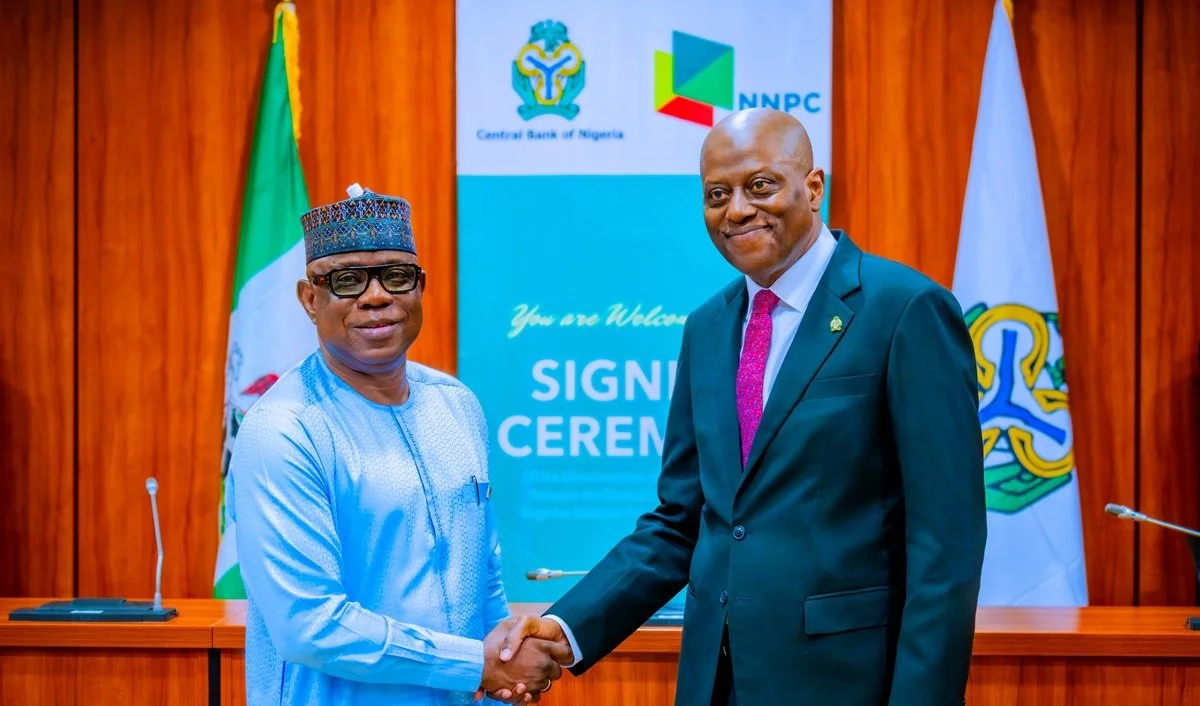
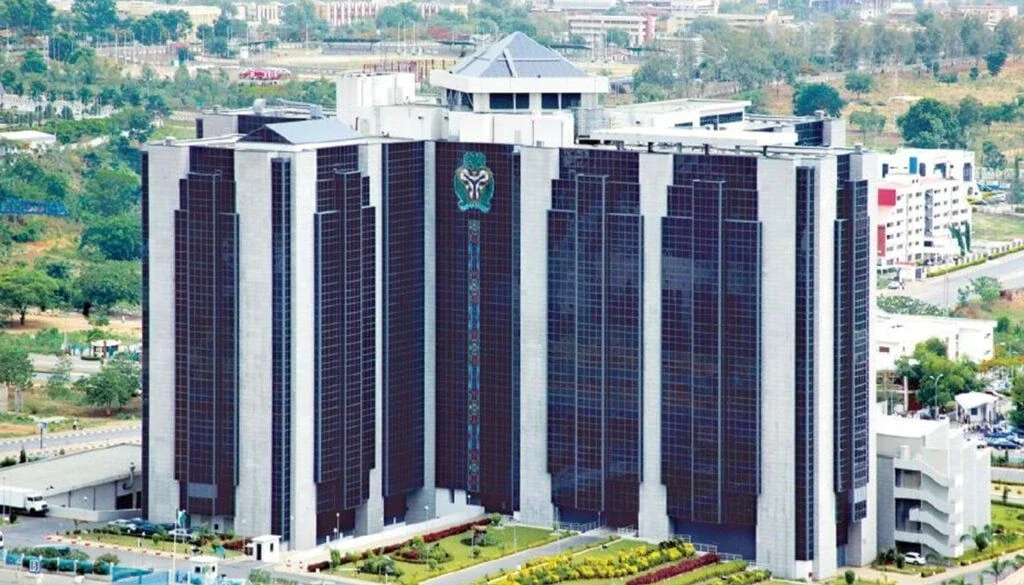
The two institutions signed a memorandum of understanding (MoU) at the CBN headquarters in Abuja on November 18, 2026, to strengthen financial coordination, improve foreign exchange inflows and support investment in Nigeria’s energy sector.
/ You Might Also Like /




NNPC Group Chief Executive Officer, Bashir Bayo Ojulari, said the agreement would provide a structured basis for developing financial arrangements that allow the national oil company to mobilise funds against the strength of its assets and balance sheet, with guidance from the CBN.
The agreement does not represent a confirmed capital raise or an immediate injection of funds. Rather, it establishes a framework through which both institutions will develop financing structures and coordinate financial operations.
NNPC explores asset-backed financing for energy projects
Under the agreement, NNPC and the CBN will work on financial structures that enable the oil company to raise capital using its existing assets and balance sheet.
This approach could give NNPC additional options for financing oil and gas projects without relying exclusively on conventional borrowing or direct government funding.
Asset-backed financing can allow a company to use the value or expected cash flows of its assets to support funding arrangements. However, the specific assets NNPC intends to leverage, the financing instruments it may adopt and the amount it hopes to raise under the new framework have not been disclosed.
Ojulari said the MoU would also help align NNPC’s activities with national monetary and energy objectives, while addressing challenges affecting trade and foreign exchange transactions.
The agreement is particularly significant because NNPC operates as a commercial entity under the Petroleum Industry Act (PIA), with responsibility for its financial and operational performance.
A more structured relationship with the CBN could improve financial planning and provide a clearer framework for managing the company's transactions with the banking system.
CBN partnership targets foreign exchange inflows and financial discipline
The agreement also focuses on improving the movement of oil and gas export proceeds into Nigeria and strengthening coordination around domestic payments and foreign exchange transactions.
NNPC Group Chief Financial Officer, Adedapo Segun, said the arrangement would replace irregular approaches to resolving financial issues with a more coordinated system.
He explained that NNPC would align domestic payments, contractor settlements and foreign exchange conversions with CBN regulations. The objective is to improve financial discipline, support the naira and reduce the use of foreign currencies for transactions that can be settled domestically.
CBN Governor Olayemi Cardoso described the agreement as a formalisation of an existing relationship between the two institutions.
He said better coordination in account management, fund transfers and liquidity support would help improve the predictability of foreign exchange inflows and ensure the availability of revenue for government obligations.
For Nigeria, where oil and gas exports remain important sources of foreign exchange, more efficient management and repatriation of export proceeds could support external liquidity and economic stability.
NNPC links financing framework to 3 million barrels-per-day production target
NNPC also expects the new arrangement to support investment needed to increase Nigeria’s crude oil production.
Segun said improved financial coordination could help attract the investment required to raise production from the company's stated current level of 1.8 million barrels per day to 3 million barrels per day.
Achieving that target will require substantial investment in oil fields, production infrastructure, maintenance, security and operational capacity. Access to financing is therefore an important part of the company's production expansion strategy.
However, the MoU does not itself guarantee higher output. Actual production growth will depend on the availability of capital, project execution, field performance and the resolution of operational challenges across the industry.
Both institutions have agreed to establish working groups, implementation timelines and accountability mechanisms to monitor the arrangement. NNPC Treasurer, John Etukudo, will oversee the company's implementation process.
NNPC's $30 billion capital mobilisation ambition
The agreement builds on NNPC's wider efforts to raise capital through asset sales, partnerships and fresh investment.
In January 2026, Nairametrics reported that the company was targeting at least $30 billion by 2030 through asset disposals and new investments. The strategy includes reviewing its portfolio and considering the divestment of non-performing oil fields to unlock capital and improve operational efficiency.
In December 2025, NNPC launched a bidding process for the sale of stakes in selected oil and gas assets as part of its portfolio optimisation strategy. The company had also previously considered reducing its equity in certain fields and bringing in partners to improve the performance of assets it could not efficiently operate alone.
The new CBN agreement provides another potential route for capital mobilisation. While asset sales involve transferring ownership interests or bringing in investors, balance-sheet-based financing could allow NNPC to raise funds while retaining interests in assets, depending on the structure ultimately adopted.
The distinction matters because the financing terms, assets involved and level of control NNPC retains will influence the company's future financial obligations and investment capacity.
Implementation will determine the value of the agreement
The new framework creates an opportunity for NNPC to improve access to capital and strengthen the financial management of its energy operations. It also gives the CBN a more formal role in coordinating areas that affect oil revenue flows, foreign exchange transactions and the broader financial system.
For investors and industry stakeholders, the key issues will be the financing structures eventually developed, the assets used to support them, the cost of capital and the safeguards governing the transactions.
The agreement's success will ultimately depend on whether it produces measurable improvements in investment, oil production, export proceeds and financial transparency. Until the institutions disclose specific financing arrangements and implementation results, the MoU should be viewed as an enabling framework rather than a completed funding deal.
READ MORE