Nigeria seeks to expand local vehicle manufacturing
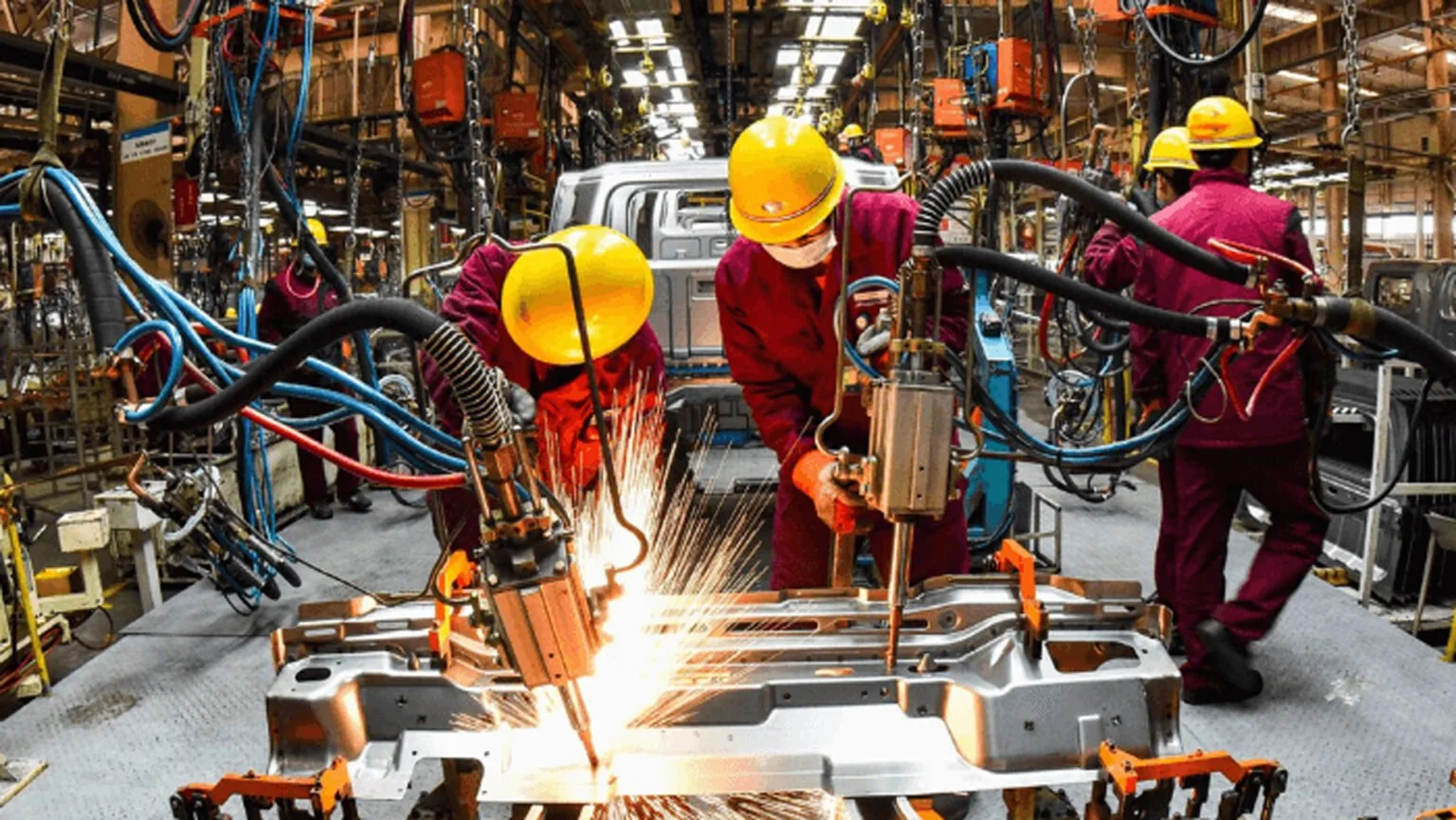
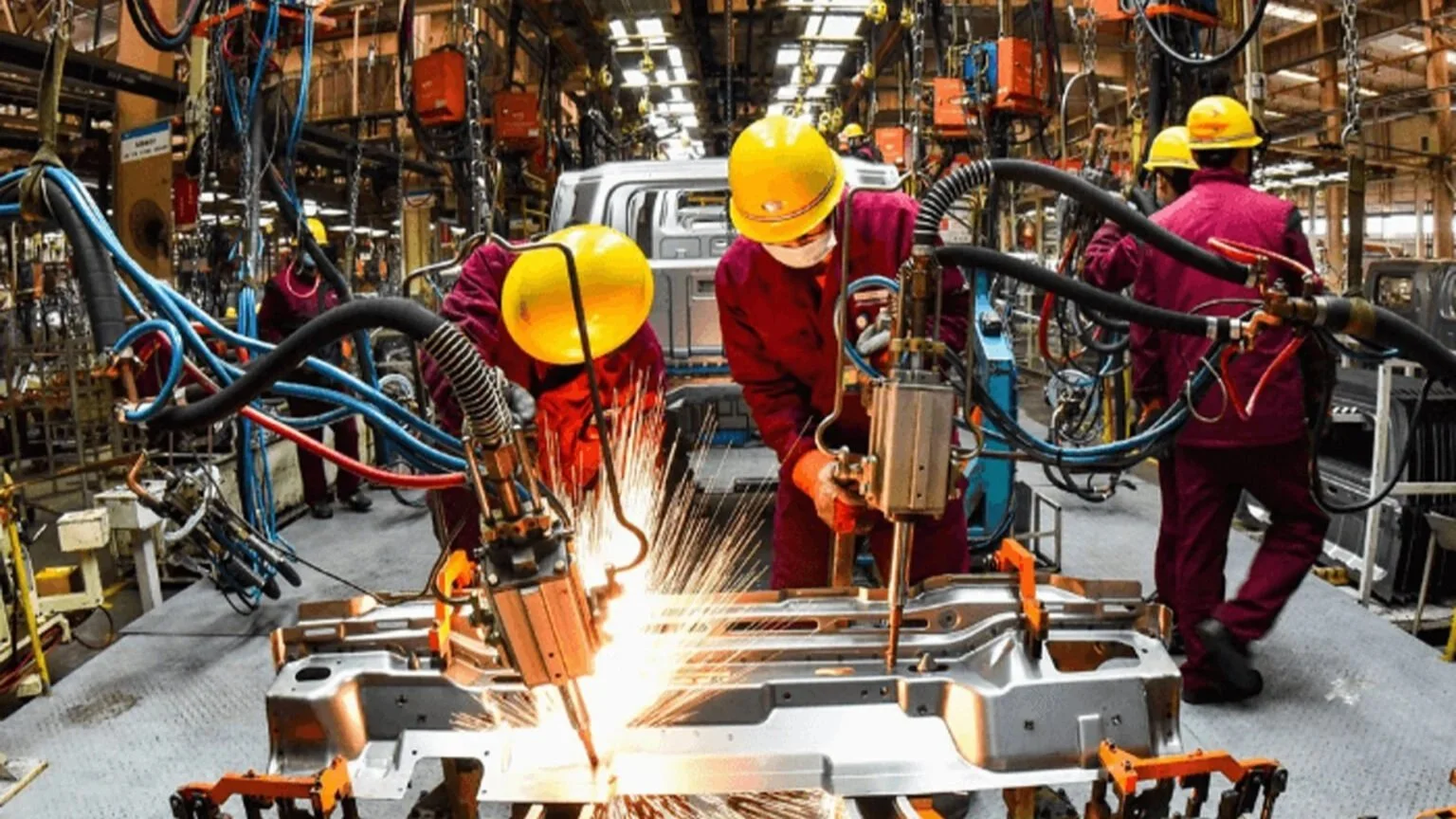
The Federal Government plans to amend Nigeria’s automotive industry law to attract investment, expand local vehicle manufacturing and create jobs across the country’s industrial value chain.
Minister of Industry, Trade and Investment, Dr Jumoke Oduwole, disclosed the plan at the opening of the 26th Abuja International Motor Fair, where she described the automotive sector as an important driver of industrialisation, employment and economic growth.
/ You Might Also Like /




The proposed reform seeks to address funding constraints facing manufacturers, strengthen the domestic market for locally assembled vehicles and align the industry’s regulatory framework with current market and technological developments.
The government expects stronger legislation, improved access to finance and wider market opportunities to encourage investment in vehicle assembly, component manufacturing and supporting industries. However, the proposed amendment remains a policy initiative; it does not mean that new investments or jobs have already materialised.
FG seeks to strengthen local vehicle production
Oduwole said the government wants to increase domestic vehicle production and improve the ability of Nigerians to purchase vehicles assembled in the country.
She identified access to finance and a more supportive legal framework as important conditions for achieving this objective. Manufacturers need funding to expand production capacity, while consumers require more affordable financing options to make locally assembled vehicles competitive.
The minister also highlighted the potential for the automotive industry to stimulate activity beyond vehicle assembly. Increased local production could create demand for raw materials, components and industrial inputs, supporting businesses in the solid minerals, iron and steel sectors.
This wider industrial connection is important to the government's ambition to develop a domestic manufacturing ecosystem rather than rely heavily on imported vehicles and parts.
Proposed law targets investment and supply-chain development
The Director-General of the National Automotive Design and Development Council (NADDC), Oluwemimo Osanipin, called for a modern legal framework capable of addressing the sector's emerging challenges and supporting sustainable growth.
He said Nigeria also needs policies that encourage consumers to purchase locally manufactured vehicles and support the development of a reliable spare-parts market, particularly as the country's vehicle fleet ages.
A stronger domestic components industry could reduce dependence on imported parts, create opportunities for local suppliers and strengthen the capacity of Nigerian manufacturers to serve the domestic market.
The proposed National Automotive Industry Bill 2026 is part of a wider effort to update the sector's institutional and regulatory framework. Earlier stakeholder consultations on the draft legislation identified local content development, component manufacturing, vehicle electrification and stronger regulatory enforcement among its priorities.
The draft bill is expected to provide a more predictable operating environment for vehicle assemblers, component suppliers, investors and other industry participants. Its final provisions and legislative progress will determine how far these objectives translate into enforceable policy.
AfCFTA offers manufacturers a wider market
The government also intends to use the African Continental Free Trade Area (AfCFTA) to expand market opportunities for Nigerian automotive manufacturers.
Oduwole said the government would support stronger connections between local manufacturers and African markets and value chains.
Access to a wider continental market could help manufacturers increase production volumes, spread operating costs and attract investment in facilities that serve customers beyond Nigeria.
However, this opportunity will depend on the competitiveness of locally produced vehicles, compliance with regional standards, reliable supply chains and the ability of manufacturers to meet demand at competitive prices.
The proposed law therefore forms part of a broader industrial strategy that must combine regulatory reform with infrastructure, financing, skills development and access to markets.
Local production targets highlight the scale of the challenge
Nigeria's automotive industry continues to face a significant gap between domestic vehicle demand and local manufacturing capacity.
In October 2026, the NADDC said the government was targeting an increase in local vehicle production from less than eight per cent of domestic demand to 70 per cent over time. The plan envisages progressive growth in local production, supported by stronger demand for Nigerian-assembled vehicles and public procurement measures.
Reaching that ambition will require more than legislative changes. Manufacturers need access to long-term financing, dependable electricity, competitive production inputs and a stable policy environment. Consumers must also be able to afford locally assembled vehicles, while domestic suppliers need the technical capacity to meet manufacturers' quality and volume requirements.
The proposed amendment could provide part of the institutional foundation for this expansion, but its impact will depend on implementation and the government's ability to address the structural constraints facing the industry.
For investors, the key consideration will be whether the revised legal framework delivers predictable incentives, effective enforcement and a commercially viable market for locally manufactured vehicles.
What the automotive reform could mean for Nigeria's industrial sector
A stronger automotive industry could generate employment across manufacturing, engineering, logistics, raw-material processing, vehicle maintenance and spare-parts distribution.
It could also deepen demand for locally produced steel, minerals and other industrial inputs, creating opportunities for businesses that supply the automotive value chain.
The government has positioned the proposed amendment as a route to industrial growth and job creation. The next test will be the content of the final legislation, its passage and the practical measures introduced to improve access to capital, increase local production and make Nigerian-assembled vehicles more affordable.
READ MORE