NNPC Targets 600 Trillion Cubic Feet Gas Reserves with $60 Billion Investment Plan
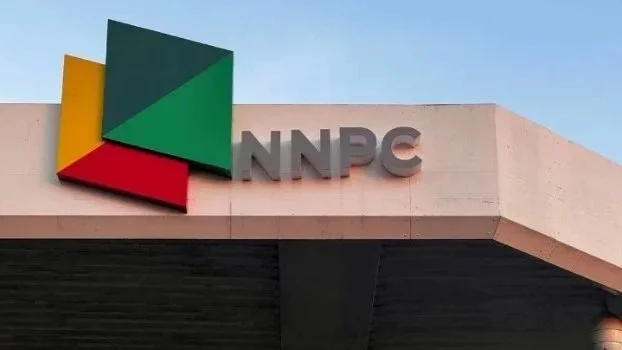
Energy Transition Push: NNPC Targets 600 TCF Gas Reserves, $60bn Investments
The Nigerian National Petroleum Company (NNPC) has set an ambitious target to expand Nigeria’s gas reserves to 600 trillion cubic feet (TCF), supported by planned investments of $60 billion. The initiative forms part of a broader strategy to position natural gas as a central pillar of Nigeria’s energy transition and long-term economic growth.
Strategic Push to Scale Gas Reserves
NNPC’s target represents a significant scale-up from Nigeria’s current proven gas reserves, estimated at over 200 trillion cubic feet. The expansion plan underscores the company’s commitment to unlocking the country’s vast gas potential and strengthening its position as a leading gas producer globally.
The 600 TCF goal aligns with Nigeria’s long-term energy strategy, which prioritises gas as a transition fuel capable of supporting industrialisation, power generation, and export earnings.
/ You Might Also Like /




$60 Billion Investment Drive
Central to achieving this target is a planned $60 billion investment mobilisation across the gas value chain. This funding is expected to support upstream exploration, midstream infrastructure, and downstream utilisation projects.
NNPC has consistently emphasised the importance of strategic partnerships and private sector participation in achieving this investment goal. Previous disclosures indicate that the company aims to attract this capital by 2030 through collaborations with international and domestic investors.
The investment drive also aligns with Nigeria’s broader ambition to increase gas production and expand infrastructure, including pipelines and liquefied natural gas (LNG) facilities.
Positioning Gas as an Economic Driver
Nigeria holds the largest proven gas reserves in Africa, and policymakers increasingly view gas as a critical lever for economic diversification. The NNPC’s plan reinforces this outlook by focusing on monetising gas resources for domestic use and export markets.
Recent market trends indicate rising global demand for LNG, with Nigeria attracting increased interest from international buyers amid supply disruptions in other regions. This creates a favourable environment for the country to scale up production and capture greater market share.
Infrastructure and Industrial Implications
The expansion of gas reserves and investments is expected to drive significant infrastructure development, including pipelines, processing facilities, and industrial hubs. These projects aim to improve energy access, support manufacturing, and reduce reliance on more carbon-intensive fuels.
Government-backed initiatives such as the National Gas Master Plan also target increased production levels and improved supply reliability, with expectations of attracting over $60 billion in investments across the sector.
Challenges to Execution
Despite the strong outlook, achieving the 600 TCF target will require addressing longstanding challenges, including regulatory uncertainty, security concerns, and infrastructure deficits. Oil and gas sector analysts note that sustained investment inflows depend on policy consistency, transparent governance, and improved operational efficiency.
Additionally, converting gas reserves into commercially viable output remains a key hurdle, requiring coordinated execution across the value chain.
NNPC’s plan to expand gas reserves to 600 trillion cubic feet, backed by a $60 billion investment target, represents a strategic shift toward gas-led growth in Nigeria’s energy sector. The initiative has the potential to enhance energy security, drive industrialisation, and boost export revenues. Its success, however, will depend on effective implementation, investor confidence, and the ability to translate resource potential into tangible economic value.
READ MORE