NiMet Forecasts Three Days of Thunderstorms, Moderate Rain Across Nigeria
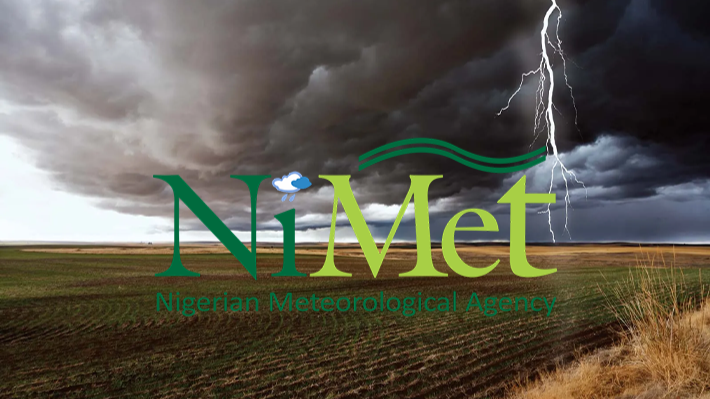
NiMet Forecasts Three Days of Rain and Thunderstorms Across Nigeria
The Nigerian Meteorological Agency (NiMet) has forecast thunderstorms and moderate rainfall across several parts of Nigeria from Monday to Wednesday, with the southern region expected to experience widespread rainfall during the period.
/ You Might Also Like /




The weather outlook, released in Abuja on Sunday, covers varying conditions across the northern, North-Central and southern regions. NiMet also warned of possible flash flooding in coastal areas and advised residents, motorists and other affected groups to take appropriate precautions.
Rainfall Expected Across Several Regions
NiMet forecast sunny skies with patches of cloud over parts of northern Nigeria on Monday, alongside thunderstorms and moderate rain in several states.
Morning thunderstorms are expected over parts of Taraba, Adamawa and Kaduna, while afternoon and evening storms could affect parts of Borno, Bauchi, Gombe, Jigawa, Katsina, Kano, Kaduna, Adamawa and Taraba.
In the North-Central region, NiMet expects morning thunderstorms over parts of Plateau, Niger, Nasarawa and the Federal Capital Territory. Later in the day, rainfall activity could extend to Kogi, Benue, Plateau, Niger, Nasarawa and the FCT.
The southern region is expected to experience more widespread rainfall. Parts of Ondo, Ogun, Cross River, Akwa Ibom, Rivers, Lagos and Bayelsa could receive moderate rain during the morning, with rainfall activity spreading across the region later in the day.
Rain and Thunderstorms to Continue Through Wednesday
NiMet expects rainfall activity to continue on Tuesday and Wednesday, although the intensity and location will vary across regions.
On Tuesday, morning thunderstorms are expected over parts of Zamfara, Sokoto, Kebbi, Adamawa and Taraba, while afternoon and evening storms could extend across several northern states.
The North-Central region could experience morning thunderstorms over parts of Niger, Kwara and the FCT, followed by further thunderstorms and moderate rainfall later in the day.
Across southern Nigeria, light morning rain is expected in parts of Cross River, Delta, Bayelsa, Akwa Ibom, Lagos and Rivers, with thunderstorms and moderate rain becoming more widespread later in the day.
By Wednesday, NiMet expects partly cloudy conditions in parts of the North, followed by afternoon and evening thunderstorms and moderate rain. The North-Central region is also expected to experience rainfall later in the day, while cloudy conditions and rainfall will persist across much of the South.
Coastal Areas Face Flash Flood Risk
NiMet has specifically warned that continuous rainfall in coastal parts of southern Nigeria could trigger flash flooding.
The warning is significant for communities and urban centres where drainage systems may struggle to handle intense rainfall over short periods.
NiMet advised motorists against driving or attempting to cross flooded roads and urged the public to remain attentive to weather warnings as conditions change.
The agency also warned that strong winds could precede thunderstorms and advised residents to secure loose objects that could cause damage or pose risks during storms.
Flood Risk Remains a Housing Concern
The forecast has direct implications for Nigeria's housing and property market because heavy rainfall can expose weaknesses in drainage, road infrastructure and urban planning.
Flooding can damage residential buildings, commercial properties, roads and other infrastructure, while repeated exposure can increase maintenance costs and reduce the attractiveness of vulnerable locations.
For developers and property investors, weather forecasts such as this reinforce the importance of assessing flood risk before acquiring land or commencing construction.
Drainage capacity, elevation, proximity to waterways and historical flood patterns should form part of property-development assessments, particularly in rapidly expanding urban areas.
Drainage Infrastructure Needs Greater Attention
NiMet's warning also highlights the relationship between rainfall and urban drainage infrastructure.
When drainage networks lack sufficient capacity or become blocked by waste and sediment, heavy rainfall can rapidly produce surface flooding. Development that obstructs natural waterways or reduces permeable surfaces can further increase runoff.
This creates challenges for both existing communities and new housing developments.
For policymakers, flood management therefore needs to extend beyond emergency response. Drainage planning should form part of broader urban development strategies, particularly as Nigerian cities continue to expand.
Weather Risks Can Affect Construction Activity
Sustained rainfall can also disrupt construction projects.
Heavy rain can delay earthworks, excavation, road construction, concrete work and the movement of construction materials. Waterlogged sites can increase project costs and create additional safety risks for workers.
Developers and contractors may therefore need to adjust construction schedules during periods of persistent rainfall, particularly for projects in flood-prone locations.
Proper site drainage and temporary water-management measures can help reduce some of these risks.
Property Owners Face Greater Exposure During Heavy Rainfall
Existing property owners also face risks during periods of intense rainfall.
Floodwater can damage foundations, walls, electrical installations, flooring and household contents. Repeated exposure can also accelerate deterioration of buildings and increase repair costs.
Properties located in low-lying areas or close to waterways require particular attention during periods of heavy rainfall.
NiMet's forecast provides an opportunity for residents and property managers to take preventive measures before rainfall intensifies.
Flood-Resilient Development Is Becoming More Important
The latest forecast reinforces the need for greater emphasis on climate-resilient housing and infrastructure.
Nigeria's growing urban population is increasing pressure on land and housing, but new developments must account for changing rainfall patterns and existing flood risks.
Developers can reduce exposure by incorporating adequate site drainage, retaining natural water channels where appropriate and avoiding construction in areas with significant flood vulnerability.
Planning authorities also have a role in enforcing development standards and ensuring that new housing projects do not worsen drainage conditions for surrounding communities.
Outlook
NiMet's three-day forecast highlights the continuing need for Nigerians to prepare for periods of heavy rainfall and thunderstorms, particularly in areas with known drainage and flood vulnerabilities.
For the housing market, the forecast is another reminder that flood resilience must become an integral part of property development and urban planning. Protecting homes and infrastructure requires investment in drainage, effective land-use controls, reliable early-warning systems and better site planning.
As rainfall patterns continue to create challenges for communities across Nigeria, developers, investors and policymakers will increasingly need to factor climate and flood risks into decisions about where and how new housing is built.
READ MORE