Dangote Refinery May Cut Petrol Supply to Import-Dependent Marketers Over Quality Concerns
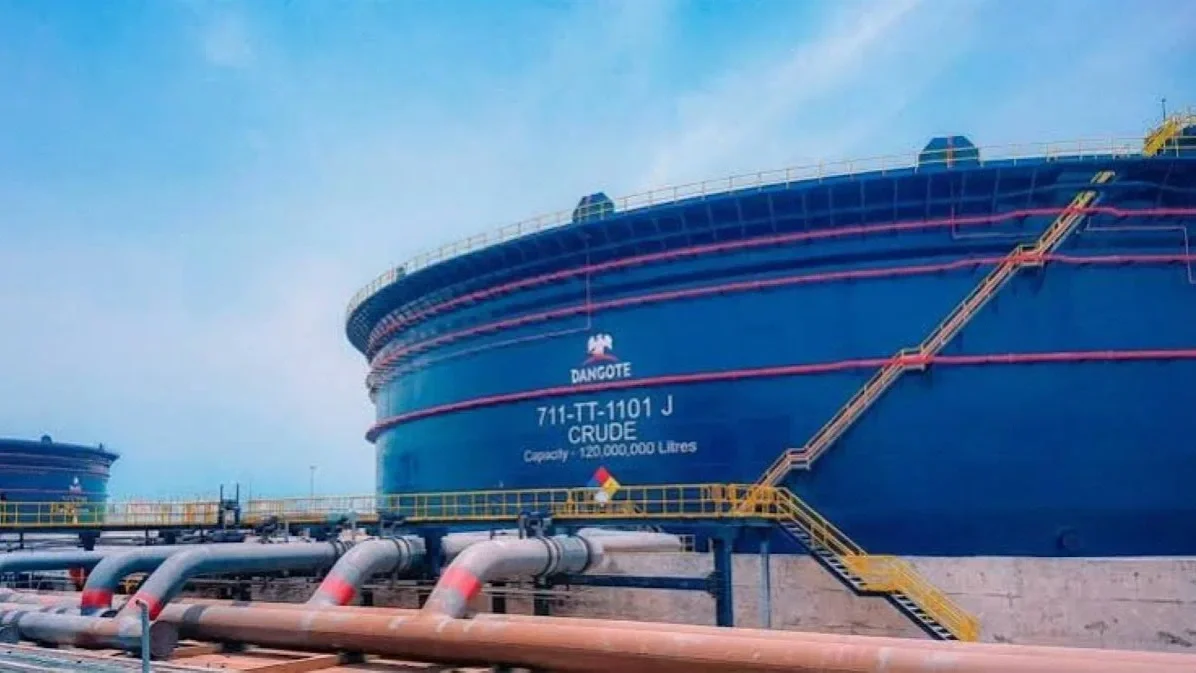
Dangote Refinery May Restrict PMS Supply to Marketers Still Importing Petrol
Dangote Petroleum Refinery and Petrochemicals may restrict petrol supplies to major marketers that continue importing Premium Motor Spirit (PMS), as concerns grow over product quality, blending practices and the transparency of Nigeria's downstream fuel market.
/ You Might Also Like /




According to a source familiar with the refinery's position, the proposed restriction could take effect as early as this week, subject to further consultations and possible intervention. The refinery's concern centres on the possibility that some marketers could blend imported petrol with products purchased from Dangote Refinery before distributing the resulting fuel to consumers.
The development comes as Nigeria's downstream petroleum sector undergoes a major transition from long-standing dependence on imported refined products towards increased domestic refining.
Dangote Raises Concerns Over Product Quality
The refinery is concerned that blending its products with imported petrol of uncertain quality could make it difficult for consumers and regulators to determine the origin and quality of the final product.
The concern also relates to the potential impact on Dangote's reputation if products containing imported fuel are subsequently associated with the refinery's brand.
The source said the refinery had invested heavily in producing refined petroleum products to international specifications and was concerned that mixing those products with fuel of uncertain quality could undermine confidence in domestic refining.
The refinery has also raised concerns about Nigeria's capacity to independently test and certify the specifications of imported petroleum products, including the availability of adequate laboratory and quality-control infrastructure.
Petrol Imports Continue to Rise
Dangote's position comes against the backdrop of a renewed increase in petrol imports.
The Centre for the Promotion of Private Enterprise (CPPE) reported that average PMS imports rose from 5.9 million litres per day in May 2026 to 18.1 million litres per day in June, representing a 206.8 per cent increase. Imports rose further to 19.7 million litres per day in July and accounted for 43.3 per cent of total PMS receipts, compared with 12.4 per cent in May.
The increase has prompted calls for tighter scrutiny of import approvals, particularly where domestic refineries can supply some or all of the required volume.
CPPE has argued that imports should continue where genuine supply gaps exist, including during refinery outages, periods of unusually high demand, quality constraints or strategic stock replenishment. However, it wants regulators to independently establish the size of any supply deficit before granting import approvals.
Debate Over Imports and Domestic Refining Intensifies
The latest development highlights a growing policy debate over the appropriate role of petrol imports in a market where domestic refining capacity has expanded significantly.
CPPE has urged the Nigerian Midstream and Downstream Petroleum Regulatory Authority (NMDPRA) to restrict import approvals to verified domestic supply shortfalls. The organisation said indiscriminate imports could undermine investment in local refining and weaken the economic benefits of increased domestic production.
The issue is becoming more significant as Dangote Refinery increases its role in Nigeria's fuel market.
The refinery has a nameplate capacity of 700,000 barrels per day and has emerged as a major supplier of refined petroleum products to both Nigerian and international markets.
Domestic Refining Is Changing Nigeria's Fuel Market
Nigeria's petroleum market has historically relied heavily on imported refined products because domestic refineries struggled to operate consistently at sufficient capacity.
That structure has begun to change as the Dangote refinery and other domestic facilities increase output.
The shift has already affected Nigeria's position in regional petroleum-product markets. The US Energy Information Administration recently reported that Nigeria's seaborne petroleum-product exports averaged 561,000 barrels per day in the second quarter of 2026, compared with an annual average of 79,000 barrels per day in 2023.
This represents a significant change in Nigeria's role within the regional fuel supply chain, moving the country towards becoming a major exporter of refined petroleum products.
Regulatory Oversight Will Be Critical
The proposed supply restriction also places greater attention on the role of the NMDPRA in regulating fuel quality and imports.
Effective regulation will require authorities to establish clear standards for imported and domestically refined products while ensuring that all products entering the Nigerian market comply with applicable specifications.
The regulator will also need reliable laboratory and testing infrastructure to verify product quality independently.
This is particularly important in a market where different sources of petrol may enter the supply chain and where blending practices can make it more difficult to establish the composition and origin of the final product.
Implications for Fuel Prices
The immediate impact on petrol prices will depend on how much domestic supply is available and whether affected marketers can secure alternative sources.
Restricting supplies to marketers that continue importing petrol could strengthen the position of domestic refiners if sufficient local production exists to meet demand. However, if domestic supply does not fully cover market requirements, restricting imports could create temporary supply pressures.
CPPE has therefore argued that import restrictions should be based on verified supply conditions rather than applied indiscriminately.
The balance between protecting domestic refining and maintaining adequate supply will remain important for consumers and businesses.
Energy Costs Matter to the Housing Market
For Nigeria's housing and construction sectors, developments in the downstream petroleum market have wider implications.
Petrol prices influence the cost of transporting construction materials, equipment and workers. Higher fuel costs can therefore increase the overall cost of building homes and delivering infrastructure.
Transport operators, artisans, contractors and property developers all face exposure to changes in fuel prices. Sustained improvements in domestic refining could potentially reduce some supply-chain pressures if they result in more stable and competitive petroleum-product prices.
However, the benefit to the housing market will depend on the relationship between refinery output, wholesale pricing, logistics costs and retail fuel prices.
Construction Costs Could Benefit From Greater Energy Stability
Nigeria's construction industry depends heavily on road transportation because cement, steel, aggregates, blocks, roofing materials and other inputs must move between production facilities, distributors and construction sites.
A more predictable domestic fuel supply could support better cost planning for developers and contractors.
Conversely, any disruption to petrol availability or significant increase in fuel prices could feed into construction and property costs through higher transportation and operating expenses.
For developers working on large housing projects, energy and logistics costs remain important components of project feasibility.
Domestic Refining Could Strengthen Industrial Activity
The expansion of domestic refining has implications beyond petrol supply.
A stronger refining sector can support related industries, create demand for logistics and industrial services and increase economic activity around energy infrastructure.
This can generate demand for industrial property, warehouses, logistics facilities, offices and worker accommodation in locations connected to the refining and distribution network.
The property-market impact will depend on the extent to which these investments generate sustained economic activity rather than short-term construction demand.
Quality Assurance Remains Central
The dispute over imported and locally refined petrol ultimately places product quality at the centre of Nigeria's downstream market.
Consumers need confidence that petrol sold across the country meets established specifications, regardless of its source.
For domestic refiners, consistent quality assurance also matters for protecting investment and building consumer confidence in locally produced fuels.
For regulators, the challenge is to establish a transparent framework in which domestic refiners and importers compete within clear quality and supply rules.
Outlook
Dangote Refinery's consideration of supply restrictions for marketers that continue importing petrol highlights the growing tension between domestic refining and Nigeria's returning reliance on imported PMS.
The latest rise in imports has strengthened calls for regulators to distinguish between genuine supply shortages and imports that compete directly with available domestic production.
For the Nigerian economy, the key challenge will be balancing domestic refinery utilisation, consumer fuel availability, product quality and competitive pricing.
For the housing and construction sectors, greater stability in domestic fuel supply could help moderate some transportation and operating pressures. But the broader benefit will depend on whether Nigeria can sustain adequate refining capacity, improve regulatory oversight and ensure that increased domestic production translates into a more predictable downstream market.
READ MORE