Senate Wants Nigeria to Finish Abandoned Roads Before Starting New Ones
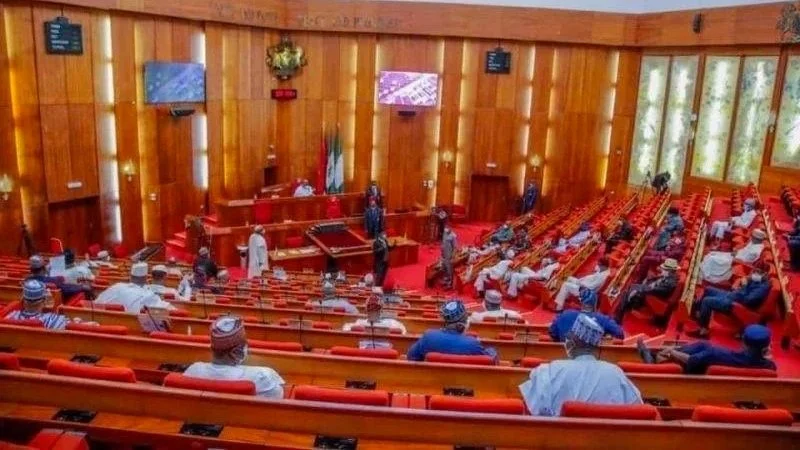
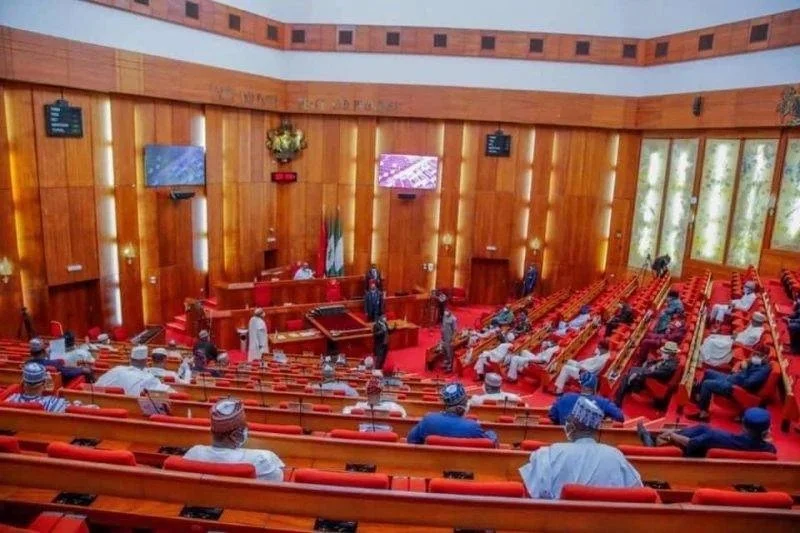
The Senate has called for the completion of abandoned road projects across Nigeria
A deteriorating federal highway linking communities in Anambra and Rivers states has renewed scrutiny of how Nigeria allocates public funds to road construction, with the Senate urging the Federal Government to prioritise unfinished projects before taking on additional commitments.
/ You Might Also Like /




The lawmakers’ intervention centres on the Ogbaru-Ndoni-Rivers Federal Highway, where poor road conditions have extended journey times, increased transportation costs and disrupted commercial activities. The Senate has called for emergency repairs and comprehensive reconstruction while directing its Works Committee to assess the road and report back within four weeks.
The resolution also raises a broader infrastructure financing question: whether the government can deliver better value from existing road commitments by directing more resources towards projects that remain incomplete.
Poor Road Conditions Increase the Cost of Moving Goods and People
The highway connects communities in Anambra State to Ndoni in Rivers State and serves as a transport link between Nigeria’s South-East and South-South regions.
During the Senate debate, Senator Tony Nwoye, who sponsored the motion, said the road had suffered decades of neglect after being partially constructed in the late 1980s.
Extensive potholes, pavement failures and erosion have made sections difficult to navigate. According to the account presented to lawmakers, a journey of about 70 kilometres from Onitsha through Ogbaru to Ndoni, which would ordinarily take approximately one hour, can now take nearly two hours.
Longer journeys increase fuel consumption, vehicle maintenance expenses and the time required to move people and goods. For traders and businesses, delays can disrupt deliveries, raise distribution costs and make commercial activities less predictable.
The deteriorating route also affects agricultural supply chains and regional trade. Where transport links become unreliable, farmers and traders may face additional difficulties moving produce to markets, while businesses operating along the corridor must contend with higher logistics costs.
The Senate warned that continued deterioration could further affect interstate commerce, investment and oil exploration and production around the Ogbaru corridor.
Senate Calls for Emergency Repairs and Full Reconstruction
The Senate has urged the Federal Roads Maintenance Agency (FERMA), the South-East Development Commission or the Federal Ministry of Works to undertake emergency repairs on failed sections of the highway while comprehensive rehabilitation is arranged.
It also called on the Works Ministry to begin the rehabilitation and reconstruction of the Ogbaru–Iyiowa–Odekpe–Atani–Ogwuikpele–Ndoni highway through a special intervention programme or another appropriate funding arrangement.
The Senate Committee on Works is expected to inspect the road, consult relevant stakeholders and submit recommendations within four weeks. The Committees on Works and Appropriations were also directed to ensure adequate budgetary provision for the reconstruction.
These decisions establish a process for assessing the road and addressing its funding needs. However, the resolution does not by itself confirm a construction start date or completion deadline.
The pace of implementation will depend on the assessment, funding arrangements and the ability of the responsible authorities to move from emergency repairs to comprehensive rehabilitation.
Why Lawmakers Want Existing Projects Prioritised
The debate extended beyond the Anambra–Rivers highway to the wider problem of road projects that remain unfinished or inadequately funded.
Senators raised concerns about the consequences of committing public resources to new construction while existing projects continue to deteriorate. They also called attention to other routes, including the Calabar–Itu and Aba–Ikot Ekpene and Umuahia–Ikot Ekpene roads, where poor conditions have affected transport and economic activity.
Senator Adams Oshiomhole criticised the introduction of new projects while previously approved roads remained incomplete. Former Senate President Ahmad Lawan supported prioritising older projects but argued that essential new roads should still be accommodated where communities lack adequate access.
Senate President Godswill Akpabio similarly noted that new roads could be necessary where flooding had cut off communities.
The resulting position favours prioritising existing commitments without ruling out new construction where urgent access or other essential needs justify it.
For infrastructure planning, the distinction is important. New roads can open up underserved areas and improve connectivity, but delays to existing projects can leave public funds tied up in incomplete assets while communities continue to bear the costs of poor transport links.
Infrastructure Funding Must Translate Into Completed Assets
The Senate’s intervention highlights the importance of matching infrastructure commitments with realistic funding and implementation plans.
Road projects require more than initial approvals and contract awards. Their delivery depends on adequate budgetary provisions, timely funding, effective contract management and oversight throughout construction.
Where work remains incomplete for extended periods, deteriorating sections may require additional repairs before construction can resume. Delays can also prolong the economic disruption experienced by communities and businesses that depend on the routes.
Prioritising existing projects could help the government concentrate resources on infrastructure already under construction or awaiting completion. However, the benefits will depend on identifying the causes of delays, resolving funding gaps and establishing credible delivery timelines.
The Senate’s proposed inspection and funding oversight could provide a basis for reviewing the condition of the Ogbaru–Ndoni corridor and determining the intervention required. The wider challenge is ensuring that similar scrutiny leads to progress on other delayed projects nationwide.
Road Infrastructure Remains Central to Regional Economic Activity
Road networks support the movement of agricultural produce, industrial inputs, consumer goods and workers between communities and markets. Their condition can therefore influence business costs, regional investment and access to essential services.
For property development, reliable roads also matter. Poor access can complicate the movement of construction materials, increase project logistics costs and make residential or commercial locations less convenient for occupants and businesses. Better connectivity, by contrast, can support access to employment centres, markets and public facilities.
The economic effects are especially significant where a deteriorating road serves several communities or connects major commercial corridors. In such cases, prolonged delays can impose costs on a wide range of road users rather than only those living immediately along the route.
The Senate’s call therefore extends beyond the physical condition of individual highways. It places attention on how effectively public infrastructure spending supports connectivity and economic activity.
Implementation Will Determine the Impact
The Federal Government now faces calls to demonstrate how it will address the highway’s immediate deterioration and finance its longer-term reconstruction.
Emergency repairs could provide short-term relief to motorists, but lasting improvements will require a funded rehabilitation plan and consistent project oversight. The Senate’s four-week reporting deadline gives its Works Committee a defined period to assess the route and recommend next steps.
The wider policy question is how the government will balance unfinished commitments against new infrastructure needs, particularly where flooding or inadequate road access creates urgent demands.
For communities affected by deteriorating highways, the outcome will depend on whether inspections lead to funded work, whether contractors can deliver against realistic schedules and whether completed roads receive adequate maintenance.
The Senate has called for greater priority to be given to existing projects. The practical measure of success will be the number of delayed roads brought back into use, the reliability of the resulting infrastructure and the reduction in the transport costs borne by Nigerians.
READ MORE