Nigeria Has Some of Africa’s Cheapest Electricity, but There’s a Catch
Nigeria’s low electricity tariffs do not capture the full cost of securing reliable power
Nigeria ranked sixth among African countries with the lowest residential electricity prices in the third quarter of 2026, with households paying an average of $0.036 per kilowatt-hour (kWh), according to data from GlobalPetrolPrices.
/ You Might Also Like /




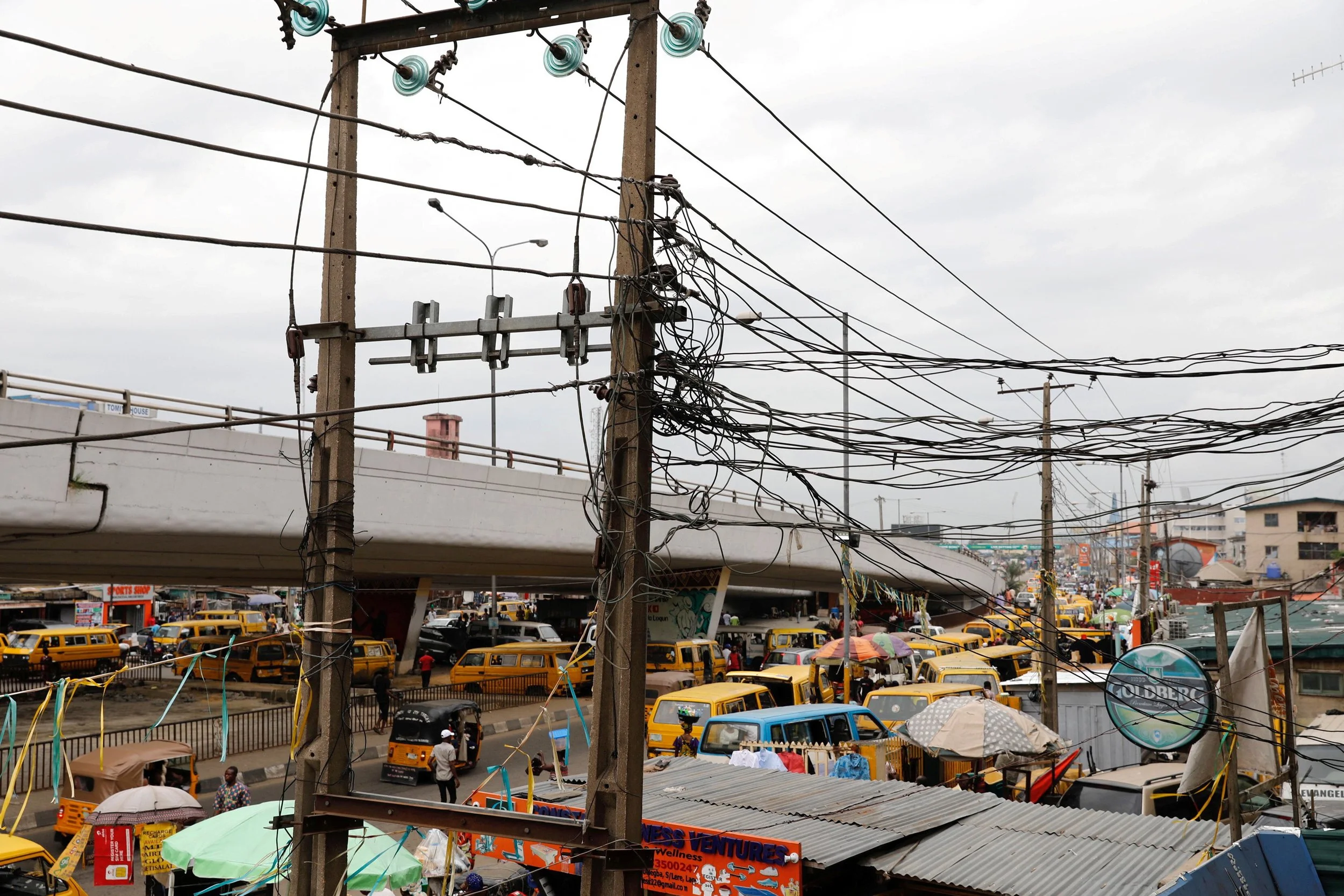
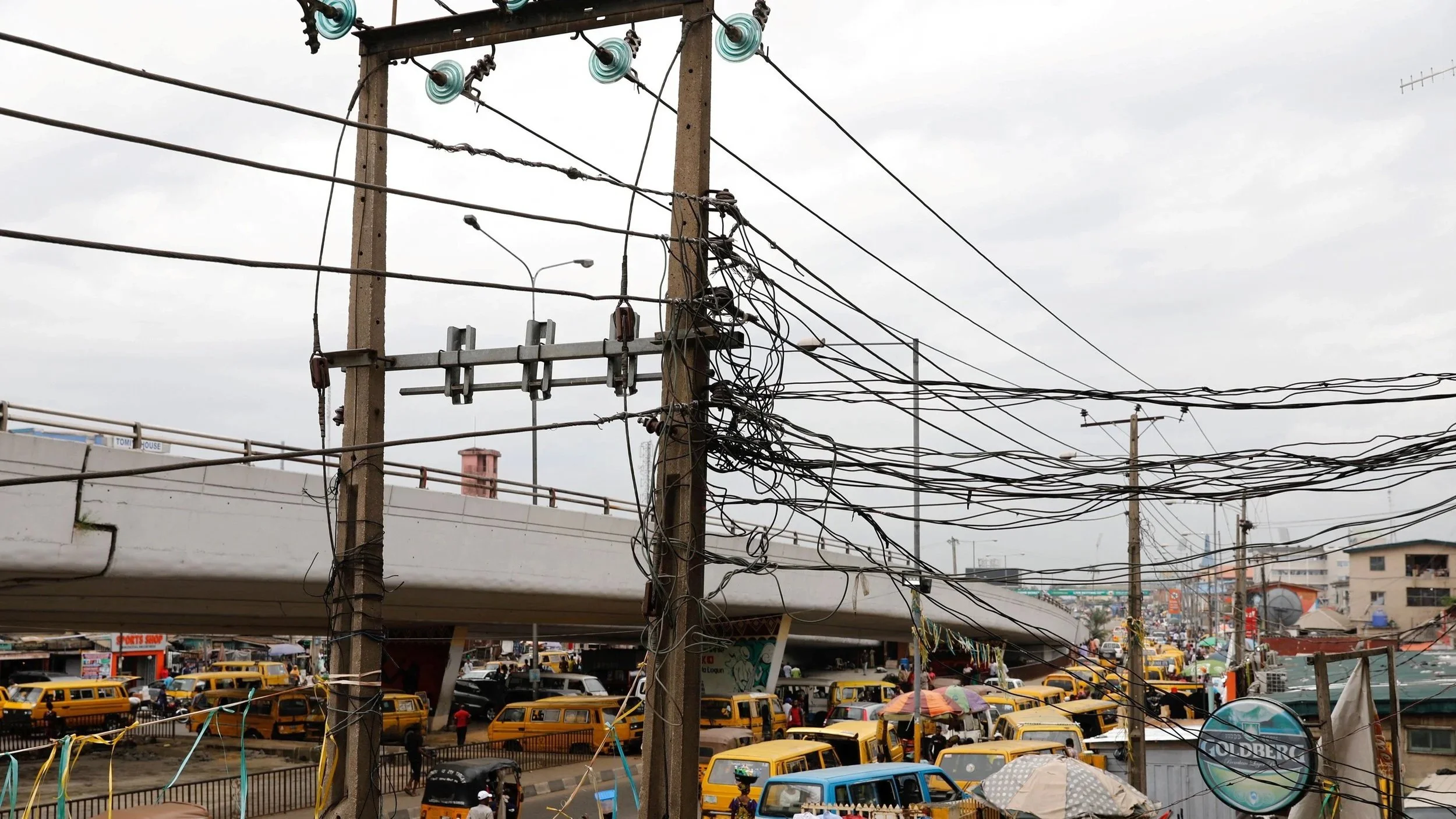
The figure places Nigeria below the continental residential average of $0.141 per kWh. However, the relatively low tariff does not necessarily translate into lower overall energy costs for households and businesses, particularly where unreliable grid supply forces consumers to rely on petrol and diesel generators.
The data, updated on 5 October 2026, also puts Nigeria’s commercial electricity price at $0.050 per kWh, compared with the African average of $0.134 per kWh.
The figures highlight a distinction between the price of grid electricity and the total cost of securing dependable power, an important consideration for households, property owners, tenants and businesses operating in Nigeria.
Nigeria’s Position in Africa’s Electricity Price Ranking
Nigeria placed sixth in the comparison of 10 African countries with the lowest residential electricity tariffs. Ethiopia recorded the lowest rate, while Cameroon had the highest residential price among the countries included.
The ranking, based on residential electricity prices, is as follows:
| Rank | Country | Residential price per kWh |
|---|---|---|
| 1 | Ethiopia | $0.006 |
| 2 | Angola | $0.016 |
| 3 | Sudan | $0.019 |
| 4 | Egypt | $0.023 |
| 5 | Zambia | $0.024 |
| 6 | Nigeria | $0.036 |
| 7 | Algeria | $0.041 |
| 8 | Democratic Republic of the Congo | $0.066 |
| 9 | Tunisia | $0.067 |
| 10 | Cameroon | $0.085 |
The comparison shows that Nigeria’s reported residential tariff is substantially below the continental average. Nevertheless, the ranking measures the price per unit of electricity rather than the reliability of supply, the number of hours electricity is available or the total amount consumers spend on alternative power.
Why Low Tariffs Do Not Always Mean Lower Energy Costs
For Nigerian households, the cost of electricity extends beyond the tariff charged by distribution companies.
Where grid supply is inadequate, households may purchase petrol or diesel to power generators. Businesses face similar costs, alongside expenses associated with maintaining backup equipment and managing interruptions to operations.
These additional expenses can make the effective cost of electricity significantly higher than the grid tariff alone suggests.
The distinction is particularly relevant to property owners and tenants. Electricity availability and the cost of providing backup power can influence household budgets, property operating expenses and the attractiveness of residential developments.
For landlords and estate managers, maintaining common-area lighting, water pumps, lifts and other shared facilities can add to service charges when grid supply is inconsistent. In developments that provide backup electricity, fuel and generator maintenance may also form part of residents’ recurring costs.
Consequently, a country’s position in a tariff ranking provides only a partial picture of what consumers must spend to secure dependable electricity.
Electricity Subsidies and the Cost of Power Supply
Nigeria’s relatively low reported tariffs also sit within a policy framework that seeks to balance consumer affordability with the financial sustainability of the electricity sector.
The Nigerian Electricity Regulatory Commission has reported substantial government electricity subsidy obligations in recent years, reflecting the gap between the cost of supplying electricity and the tariffs paid by some consumers.
In 2024, Nigeria introduced a band-based tariff structure that links customer categories to expected daily electricity supply. Band A customers, who are expected to receive at least 20 hours of electricity daily, moved closer to cost-reflective tariffs, while customers in lower supply bands retained greater tariff protection.
The arrangement reflects the challenge of funding electricity generation, transmission and distribution while limiting the immediate financial burden on households.
However, keeping tariffs affordable does not, on its own, guarantee that consumers receive reliable power. The long-term outcome also depends on investment in infrastructure, the financial position of electricity providers and improvements in service delivery.
What Electricity Prices Mean for Housing and Property Costs
Electricity is a recurring consideration in the cost of occupying and managing property. For households, energy expenditure affects the amount of income available for rent, mortgage repayments and other living costs. For businesses, it influences operating expenses and investment decisions.
In residential estates, developers and property managers must also consider the cost of supplying power to shared facilities and, where applicable, providing backup generation. These expenses can affect service charges and the overall cost of living in a development.
Reliable electricity can also support the use of water systems, security equipment, lifts and other essential facilities. Where power supply is inconsistent, residents and property managers may have to spend more on alternative arrangements.
Nigeria’s position in the African ranking therefore offers useful context, but it should not be treated as a direct measure of housing affordability. The relevant consideration for property users is the combined cost, availability and reliability of electricity.
Reliable Supply Remains the Bigger Test
Ethiopia’s position at the top of the residential tariff ranking and Nigeria’s sixth-place position show the wide differences in reported electricity prices across the continent. Yet the comparison does not establish which country offers the best overall electricity service.
For Nigeria, the challenge is to maintain a balance between affordable tariffs, financially sustainable electricity providers and dependable supply.
Progress in these areas would help households manage energy expenditure and enable businesses to operate with greater certainty. It could also reduce the need for expensive backup power arrangements that add to the cost of occupying and managing property.
Ultimately, the value of a low electricity tariff depends on how much reliable power consumers receive for what they pay. For Nigerian households and property businesses, that remains a more meaningful measure than price rankings alone.