Nigeria’s Solid Minerals Sector Draws $3 Billion in New Investments
Solid Minerals Sector Attracts $3 Billion Investment Inflow
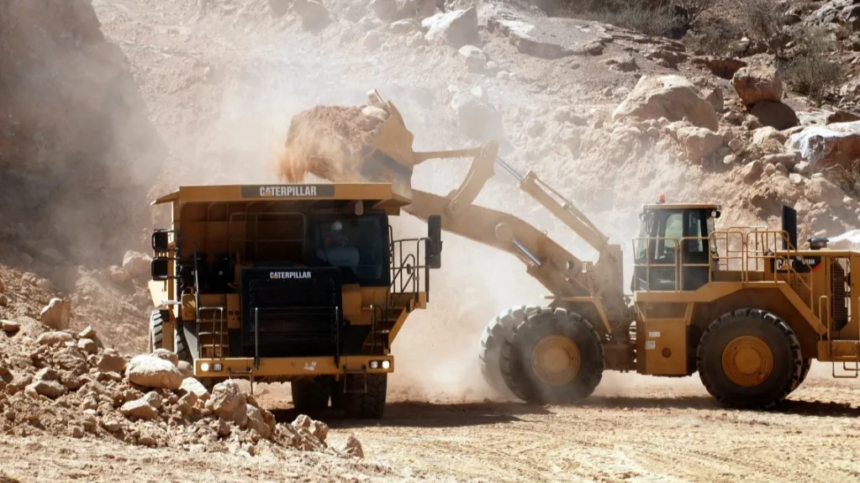
Nigeria has attracted more than $3 billion in investment inflows into its solid minerals sector over the past three years, reflecting growing investor confidence in the country's mining industry and the Federal Government’s efforts to diversify the economy away from oil dependence. The development underscores the increasing importance of solid minerals as a strategic pillar of Nigeria’s long-term economic growth agenda.
/ You Might Also Like /



The investment inflow comes amid ongoing reforms designed to improve transparency, strengthen regulation and attract both domestic and international investors to the sector. Government officials say the investments are expected to boost mineral production, create jobs and support industrial development across the country.
Mining Sector Gains Momentum
Nigeria's solid minerals industry has received renewed attention as policymakers seek to unlock the country's vast reserves of gold, lithium, limestone, tin, iron ore and other critical minerals.
The sector is increasingly viewed as a key component of economic diversification efforts, particularly as global demand rises for minerals used in manufacturing, renewable energy technologies and battery production.
According to government officials, recent policy reforms have helped improve investor sentiment and position Nigeria as an emerging destination for mining investment.
Reforms Drive Investor Confidence
The Federal Government has introduced a range of initiatives aimed at strengthening the operating environment for mining companies.
These measures include improvements in licensing processes, efforts to curb illegal mining, enhanced geological data collection and policies designed to encourage value addition within the sector. Authorities have also emphasised the importance of local processing and beneficiation to maximise economic returns from Nigeria’s mineral resources.
Industry stakeholders note that regulatory certainty and improved governance remain critical factors in attracting long-term investment into the sector.
Economic Diversification Strategy
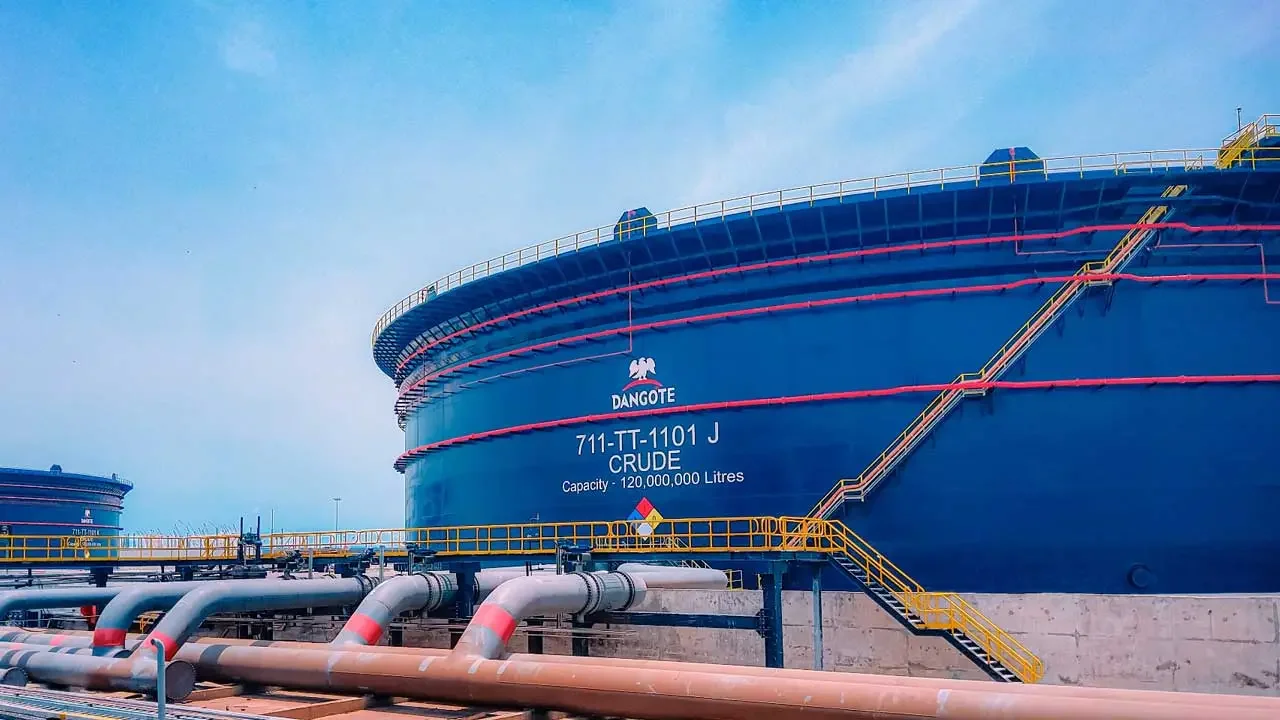
For decades, crude oil has remained the dominant source of export earnings and government revenue in Nigeria. However, policymakers have increasingly prioritised non-oil sectors as part of broader economic diversification efforts.
The solid minerals sector is expected to play a significant role in this strategy by generating export revenue, supporting industrialisation and creating employment opportunities across mining communities.
Analysts argue that developing the sector could reduce the economy’s vulnerability to oil price volatility while expanding alternative sources of foreign exchange earnings.
Implications for Infrastructure and Housing
Growing investment in mining activities can also have broader implications for infrastructure development and regional economic growth.
Large-scale mining projects often require supporting infrastructure such as roads, power supply, rail networks and housing for workers. These investments can stimulate economic activity in host communities and create opportunities for property development and urban expansion.
In addition, stronger revenues from the mining sector could provide governments with additional resources to fund infrastructure and housing programmes aimed at addressing development challenges across the country.
Job Creation and Industrial Development
Industry experts believe increased investment in solid minerals could contribute significantly to employment generation and industrial growth.
Mining projects typically create direct jobs in exploration, extraction and processing, while also supporting indirect employment in logistics, construction, equipment supply and professional services.
The sector's growth could further encourage downstream industries that process raw minerals into higher-value products, strengthening Nigeria's industrial base and improving export competitiveness.
Outlook
Investor interest in Nigeria's solid minerals industry is expected to remain strong as global demand for critical minerals continues to increase. The success of future investments, however, will depend on continued reforms, infrastructure improvements and effective regulatory oversight.
Stakeholders also emphasise the need for sustainable mining practices, environmental protection and community engagement to ensure that sector growth delivers long-term benefits.
Conclusion
Nigeria's ability to attract more than $3 billion in solid minerals investments highlights the growing importance of the mining sector within the country's economic diversification agenda. As reforms continue and investor confidence strengthens, the industry could become a major driver of industrialisation, job creation and infrastructure development. The challenge ahead will be sustaining momentum while ensuring that investment translates into broad-based economic benefits.
READ MORE