Lack of Funding Continues to Stall Real Estate Development in Nigeria

Funding Constraints Slow Growth in Nigeria’s Real Estate Sector
Limited access to financing remains one of the biggest obstacles facing Nigeria’s real estate sector, with developers warning that inadequate funding is slowing project delivery, increasing housing costs and worsening the country's housing deficit. Industry stakeholders say the challenge has become more pronounced amid rising construction costs, high interest rates and restricted access to long-term capital.
The funding gap is affecting developers of all sizes, from affordable housing providers to large-scale estate projects, limiting the sector's ability to meet growing housing demand across the country.
/ You Might Also Like /



Developers Face Persistent Financing Constraints
Real estate experts note that access to affordable, long-term financing remains a critical challenge for housing development in Nigeria.
Many developers rely heavily on commercial bank loans, which often carry high interest rates and relatively short repayment periods. These financing structures are frequently unsuitable for real estate projects that require significant capital investment and extended development timelines.
Stakeholders argue that the mismatch between project financing needs and available funding options continues to slow the pace of housing delivery.
Rising Costs Compound Development Challenges
The financing challenge comes at a time when developers are also grappling with rising construction costs.
Inflation, foreign exchange volatility and higher prices for building materials have significantly increased project expenses. As a result, many developers are finding it difficult to secure sufficient capital to complete ongoing projects or launch new developments.
Industry participants warn that these pressures are contributing to higher property prices and reducing housing affordability for many Nigerians.
Impact on Housing Supply
The shortage of development finance has direct implications for housing supply and the broader property market.
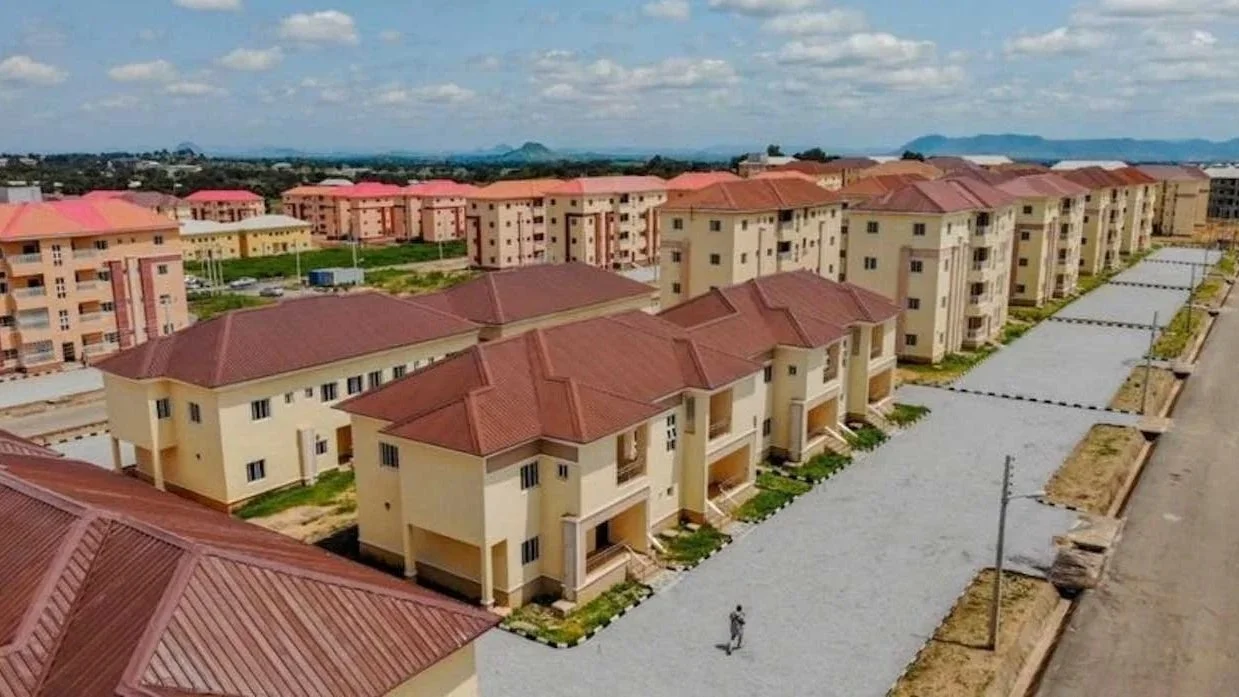
Nigeria continues to face a significant housing deficit, with demand for quality and affordable housing far exceeding available supply. Developers say inadequate financing limits the number of projects that can be delivered annually, making it more difficult to close the housing gap.
Experts note that increasing housing production will require stronger collaboration between government, financial institutions and private-sector developers.
Need for Mortgage and Housing Finance Reforms
Stakeholders are calling for reforms that expand access to long-term housing finance and strengthen mortgage markets.
Industry operators believe that lower-cost financing, specialised housing funds and increased participation from institutional investors could help unlock greater investment in residential development.
They also advocate policies that encourage pension funds, development finance institutions and capital market participants to support housing finance initiatives.
Implications for Investors and the Economy
The real estate sector remains an important contributor to economic growth, employment and infrastructure development.
Improved access to funding could stimulate new construction activity, create jobs across the value chain and attract additional private-sector investment. Stronger financing mechanisms may also accelerate the delivery of affordable housing projects and support urban development objectives.
For investors, a more efficient housing finance system could create new opportunities in residential, commercial and mixed-use developments.
Outlook
Industry stakeholders expect financing to remain a key issue for the real estate sector in the near term. However, continued discussions around housing finance reforms, mortgage market expansion and alternative funding sources could help improve conditions over time.
The success of future housing initiatives will depend largely on the availability of sustainable financing solutions that align with the long-term nature of real estate development.
Conclusion
The lack of adequate funding continues to constrain real estate development across Nigeria, affecting housing supply, project delivery and affordability. As demand for housing grows, addressing financing challenges will be critical to unlocking investment, accelerating construction activity and reducing the country's housing deficit. Industry stakeholders maintain that improved access to long-term capital remains one of the most important requirements for sustainable growth in the housing sector.
READ MORE