Nigeria’s Remittances Hit Record $947m, Near CBN’s $1bn Target
Nigeria records record formal remittance inflows as CBN targets $1 billion monthly
Nigeria’s remittance inflows through International Money Transfer Operators (IMTOs) reached a record $947 million in July 2026, bringing the country within reach of the Central Bank of Nigeria’s (CBN) $1 billion monthly target for formal remittances.
/ You Might Also Like /




The July figure represents the highest monthly inflow recorded through formal channels and contributed to total IMTO inflows of $3.8 billion during the first seven months of 2026. The seven-month figure represents a 50.2 per cent increase compared with the corresponding period in 2025.
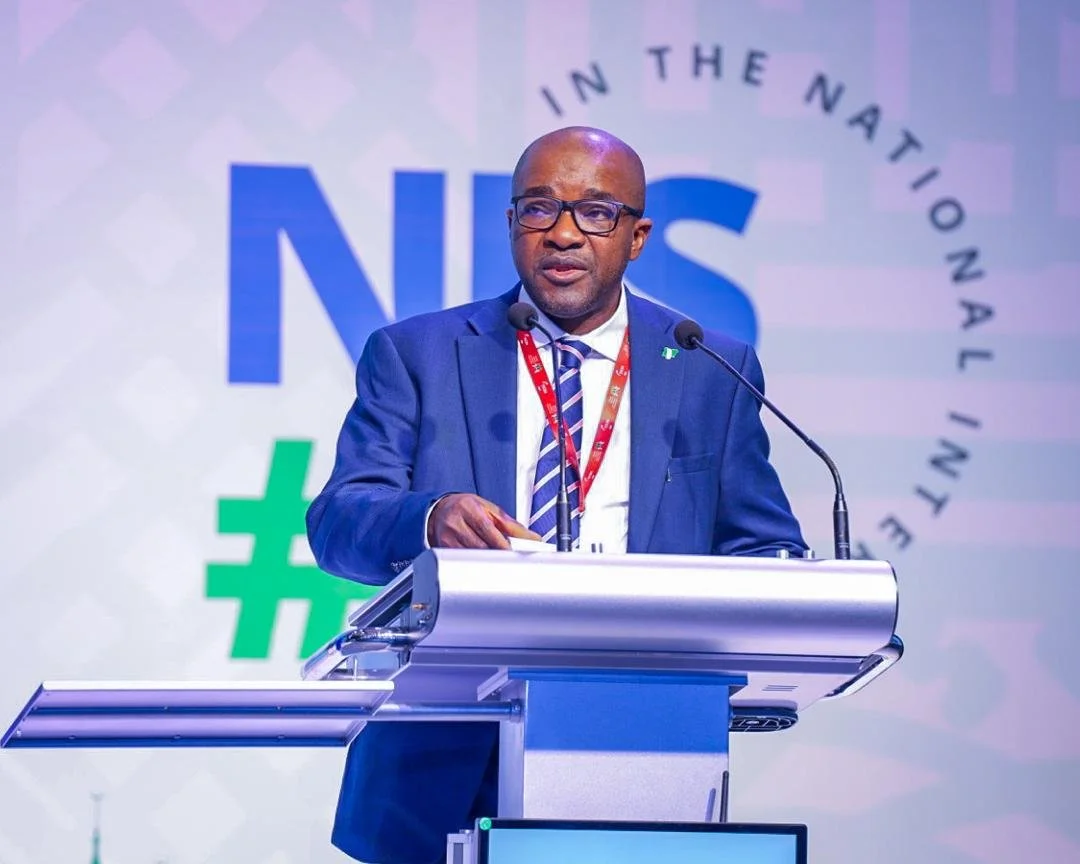
CBN Governor Olayemi Cardoso said the latest performance shows that the target, which the apex bank established nearly two years ago, is now within sight.
Formal Remittance Inflows Reach Record Level
The $947 million recorded in July marks a significant increase in the volume of diaspora funds entering Nigeria through regulated channels.
The CBN has been working to shift more remittance transactions into formal channels by improving the operating environment for IMTOs and strengthening the connection between international transfers and Nigeria's regulated financial system.
The rise also indicates that more Nigerians abroad and their recipients are using formal channels to move funds into the country.
However, the July figure should not be interpreted as a guarantee that Nigeria will consistently maintain inflows at that level. The CBN's longer-term objective is to sustain growth in formal remittance activity rather than rely on a single monthly record.
CBN Reforms Support Growth
The increase in formal remittances follows several reforms introduced by the apex bank.
These include the move towards a more market-determined exchange rate, changes to the regulatory framework governing IMTOs and the introduction of the Non-Resident Bank Verification Number (NRBVN).
The CBN has also increased engagement with IMTOs, commercial banks and Nigerian diaspora communities while strengthening requirements for remittance transactions to pass through designated settlement accounts with authorised dealer banks.
The objective is to make formal remittance channels more competitive, transparent and accessible while improving the visibility of foreign-currency inflows into the Nigerian financial system.
Remittances Strengthen Foreign Exchange Liquidity
The growth in formal remittances has implications for Nigeria's foreign exchange market.
Diaspora inflows provide an additional source of foreign currency outside oil-related receipts. When these funds enter through regulated channels, they can improve visibility over foreign exchange flows and contribute to market liquidity.
The CBN has also linked stronger formal remittance flows to improved transparency and Nigeria's broader external financing position.
For policymakers, this makes remittances more than a household-finance issue. Sustained diaspora inflows can form part of a broader strategy to strengthen external liquidity and diversify sources of foreign exchange.
Household Income Remains a Major Channel
Remittances also have a direct effect on Nigerian households.
Funds sent by Nigerians living abroad can support household expenditure, education, healthcare, business activity and investment. The latest increase therefore has potential implications for household purchasing power, particularly where recipients rely significantly on diaspora income.
The impact will vary considerably across households, depending on the size and regularity of remittances and how recipients deploy the funds.
The CBN has emphasised that increased remittance inflows can support both household consumption and investment.
Diaspora Funds Can Support Property Investment
For Nigeria's housing market, the growth in formal remittances is particularly relevant because diaspora Nigerians represent an important source of property investment.
Recipients may use remitted funds to purchase land, construct homes, renovate existing properties or acquire residential and commercial assets. Stronger formal inflows can therefore increase the pool of foreign-currency resources available for property-related investment.
The impact, however, depends on economic conditions, property prices, access to credible developers and confidence in Nigeria's land and property-registration systems.
A rise in remittances does not automatically translate into increased housing supply. Converting diaspora funds into productive property investment requires functioning land markets, transparent transactions, reliable construction processes and appropriate financing structures.
Better Formal Channels Could Improve Diaspora Property Investment
The CBN's efforts to improve formal remittance channels could also benefit Nigerians abroad who want to invest in property from outside the country.
Greater transparency in the movement of funds can make it easier to document transactions and establish a clearer financial trail for property purchases and development projects.
This could become increasingly important as financial institutions and property businesses develop products specifically designed for Nigerians in the diaspora.
For the housing sector, the opportunity lies in converting remittance flows into productive investment that expands housing supply rather than simply increasing demand for existing properties.
Remittances Could Support Construction Activity
If a greater proportion of diaspora funds flows into housing construction, the benefits could extend beyond property owners.
Residential construction generates demand for cement, steel, roofing materials, fittings, professional services, labour and transportation. Increased construction activity can therefore support employment and activity across several parts of the built environment.
The effect will depend on how much of the additional remittance income households allocate towards property rather than consumption or other forms of investment.
For developers, the growing remittance market presents an opportunity to develop housing products that respond to the needs of Nigerians abroad, particularly where projects provide transparent documentation, clear pricing and reliable construction timelines.
The $1bn Target Is Now Within Reach
The July figure leaves Nigeria only $53 million short of the CBN's $1 billion monthly target.
Cardoso said the latest performance demonstrates the progress made since the target was established.
The more significant question, however, is whether Nigeria can sustain monthly inflows around or above the $1 billion level.
A sustained increase would strengthen the importance of remittances within Nigeria's external financing structure and could provide a more predictable source of foreign exchange.
Achieving that will require the CBN to maintain an environment in which formal channels remain attractive to senders and recipients.
Sustaining the Growth Remains the Challenge
The sharp increase in formal remittances suggests that regulatory reforms are having an impact on the way diaspora funds enter Nigeria.
However, maintaining the momentum will require continued confidence in the financial system, competitive transfer costs, accessible payment channels and efficient settlement arrangements.
The CBN has indicated that it will continue engaging IMTOs, banks and diaspora communities across major remittance corridors as it seeks to deepen formal inflows.
For the broader economy, sustained remittance growth could strengthen foreign exchange liquidity and household finances. For the housing market, the opportunity lies in directing a greater share of those funds towards productive investment and new housing supply.
Outlook
Nigeria's record $947 million formal remittance inflow in July represents a significant step towards the CBN's $1 billion monthly target.
The 50.2 per cent increase in formal inflows during the first seven months of 2026 also points to a substantial expansion in the use of regulated remittance channels.
For the housing market, the development creates an important opportunity to deepen diaspora participation in residential and commercial property investment. But unlocking that potential will require greater transparency in property transactions, stronger land administration, credible development structures and adequate housing supply.
The immediate milestone is reaching $1 billion in monthly formal remittances. The longer-term objective should be ensuring that rising diaspora inflows contribute to broader economic activity, household resilience and productive investment across Nigeria.
READ MORE