APM Terminals Apapa Records 6% Export Growth in H1 2026
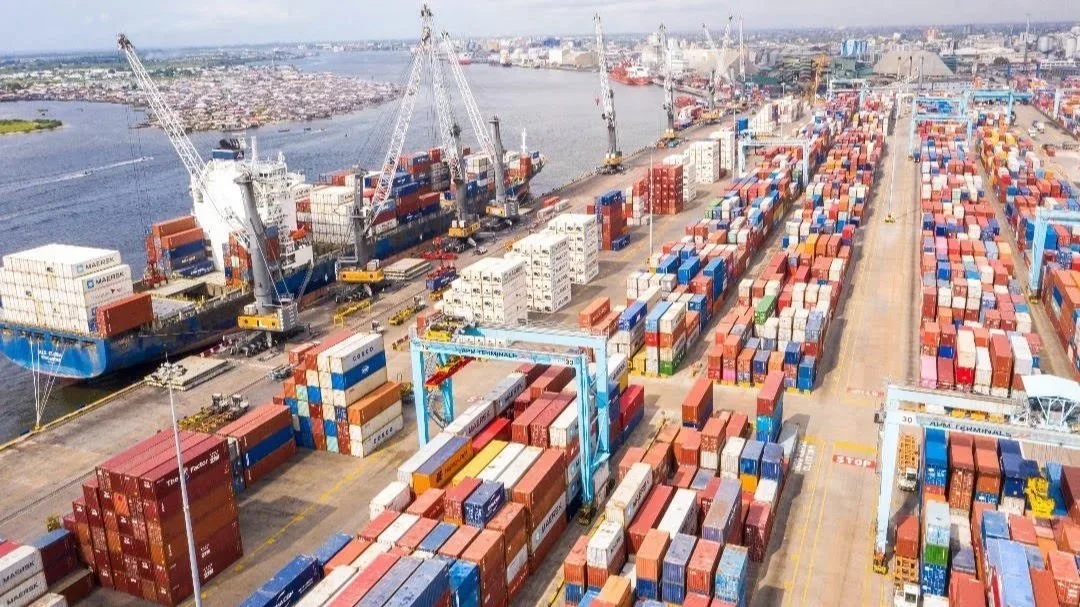
APM Terminals Apapa is expanding logistics support for Nigeria’s non-oil exports
APM Terminals Apapa recorded a 6 per cent increase in export volumes in the first half of 2026, as the terminal expands operational measures aimed at supporting Nigeria’s non-oil exports and improving access to international markets.
/ You Might Also Like /




The terminal's Managing Director, Kamal Alhraishat, attributed the growth to the resilience of Nigerian exporters and improvements introduced to simplify cargo movement and make export logistics more efficient.
The development comes as Nigeria continues to seek stronger non-oil export performance and greater diversification of its trade base.
Export Growth Reflects Rising Non-Oil Trade Activity
APM Terminals Apapa is Nigeria’s largest container terminal, and its export performance provides an indication of activity within the country's non-oil export supply chain.
The terminal said its export volumes have maintained a positive growth trajectory over the past five years, which it attributed to both exporter resilience and targeted improvements in terminal operations.
Major commodities handled for export include soybeans, cashew nuts, cocoa, hibiscus flowers and solid minerals.
The range of commodities highlights the importance of efficient port infrastructure to sectors beyond traditional oil exports. Agricultural and mineral exporters depend on predictable logistics to move goods from production areas through ports and into international markets.
Rail Connectivity Supports Export Logistics
APM Terminals said rail connectivity has become an important component of its efforts to improve cargo movement.
The Lagos-Moniya rail connection operates three times a week and provides exporters with an alternative to road transportation. The terminal said the service can reduce dependence on trucks and limit exposure to congestion around Apapa and along interstate routes.
The terminal also receives export cargo through the Ebute Metta rail corridor, allowing cargo from different parts of Lagos to reach the port while reducing exposure to road congestion.
For exporters, faster and more predictable cargo movement can be particularly important for agricultural products, where delays can affect quality and marketability.
Dedicated Export Lanes Target Cargo Delays
The terminal has introduced dedicated export lanes at its gate to accelerate the movement of export cargo into the terminal.
According to APM Terminals, the measures form part of a broader effort to make export processes faster and more competitive.
Reducing delays at the port can have wider implications for the cost of doing business. Exporters face multiple expenses across transportation, storage, handling and documentation, meaning inefficiencies at any stage can reduce the competitiveness of Nigerian products.
Improving cargo flow can therefore support exporters while strengthening the wider logistics chain connecting farms, factories, warehouses and ports.
Exporters Forum Targets Industry Bottlenecks
APM Terminals has also continued to engage stakeholders through its Exporters Forum, which is now in its third year.
The forum brings together exporters, government agencies, shipping lines and logistics companies to identify challenges affecting the export value chain and develop practical responses. The terminal said its next forum is scheduled for September 2, 2026.
The initiative reflects the interconnected nature of export logistics. Improvements at the terminal alone cannot resolve challenges involving documentation, transportation, regulatory processes, production capacity or access to international markets.
Greater coordination between public and private-sector stakeholders could therefore become increasingly important as Nigeria seeks to increase export volumes.
Agricultural Exports Need Faster Supply Chains
The importance of logistics is particularly pronounced for agricultural commodities.
Kayode Olufemi-Daniel, Head of Commercial at APM Terminals Apapa, said time remains critical in export trade because delays can affect the quality of agricultural products and, in some cases, make them unsuitable for export.
This makes infrastructure and logistics efficiency important to Nigeria's agricultural value chain.
Better roads, rail connections, storage facilities, ports and processing infrastructure can reduce losses between production and international markets. They can also help producers and exporters plan deliveries more reliably.
For Nigeria's non-oil export ambitions, improving the entire supply chain will therefore remain as important as increasing production.
Infrastructure Investment Can Support Wider Economic Development
The export growth also demonstrates the relationship between logistics infrastructure and economic development.
Efficient transport networks can make industrial and commercial locations more attractive by improving access to suppliers, workers and markets. This can encourage businesses to expand around major transportation corridors and logistics centres.
For the property sector, the development of stronger logistics infrastructure can increase demand for warehouses, distribution centres, industrial parks and related commercial real estate.
However, such development needs coordinated planning to prevent pressure on existing residential areas and infrastructure.
Implications for Industrial and Commercial Property
Growing export activity can create demand for supporting infrastructure around major ports and transport corridors.
Warehousing, cold storage, processing facilities, logistics parks and distribution centres all form part of the infrastructure required to move goods efficiently from producers to international buyers.
This creates opportunities for commercial and industrial property developers, particularly where transport infrastructure connects production areas to ports.
At the same time, increasing logistics activity around Apapa and other established commercial centres reinforces the need for effective urban planning. Industrial expansion must operate alongside adequate roads, housing, drainage, power supply and other infrastructure needed by surrounding communities.
Nigeria's Non-Oil Export Ambition
The Federal Government has continued to promote an export-led economic model, with greater emphasis on agriculture, manufacturing and solid minerals.
The increase recorded at APM Terminals Apapa provides a positive indicator for exporters, although a single terminal's performance does not by itself establish a nationwide trend.
Sustained growth will depend on whether Nigeria can address structural constraints across production, transportation, port operations, customs procedures, power supply, financing and market access.
The competitiveness of Nigerian exports ultimately depends on the cost and reliability of the entire supply chain.
Efficient Ports Remain Critical to Export Competitiveness
Nigeria's ports remain central to the country's international trade, making efficiency improvements strategically important.
APM Terminals Apapa said its operational initiatives are designed to make exports easier and faster while improving Nigerian businesses' access to global markets.
The terminal's latest export figures suggest that operational improvements and stronger coordination can support increased cargo movement.
However, maintaining this momentum will require continued investment in multimodal transport infrastructure, particularly rail and road connections linking ports with production centres.
Outlook
The 6 per cent increase in export volumes at APM Terminals Apapa in the first half of 2026 provides another indication of activity within Nigeria's non-oil export sector.
The growth also highlights the importance of efficient logistics infrastructure to the country's ambitions for export diversification. Rail connectivity, dedicated export facilities and stronger coordination among stakeholders can help reduce delays and improve supply-chain reliability.
For Nigeria's broader economy and property market, sustained export growth could support demand for industrial, logistics and commercial infrastructure along key transport corridors.
The longer-term opportunity will depend on whether improvements at individual terminals can form part of a wider, coordinated infrastructure strategy that lowers logistics costs and enables Nigerian businesses to compete more effectively in international markets.
READ MORE