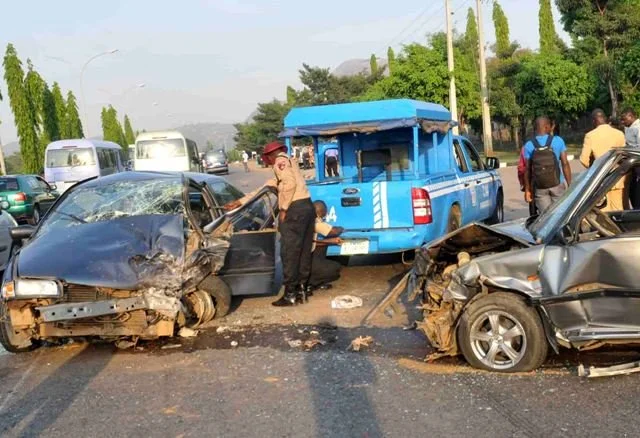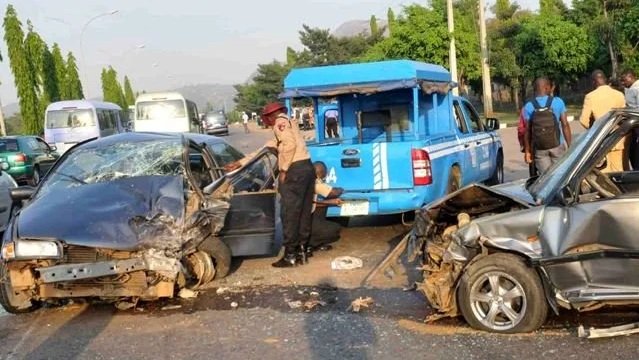
The Federal Road Safety Corps has reported 3,445 deaths from road traffic crashes across Nigeria in the first nine months of the year
The Federal Road Safety Corps (FRSC) has reported 3,445 deaths from road traffic crashes across Nigeria between January and September 2026, highlighting the continuing risks facing motorists and other road users.
The Corps Marshal, Shehu Mohammed, disclosed the figures during a stakeholders’ briefing in Abuja ahead of the 2026 World Day of Remembrance for Road Traffic Victims. The agency also recorded 7,156 crashes during the nine-month period, leaving 22,292 people injured.
/ You Might Also Like /




The figures point to the scale of Nigeria’s road safety challenge, with thousands of families affected by fatalities and injuries. They also raise questions about the effectiveness of road infrastructure, traffic enforcement and emergency response systems.
Speeding and dangerous driving remain major concerns
Mohammed identified excessive speed and dangerous driving behaviour as major contributors to road traffic crashes. He urged motorists to observe speed limits, avoid distractions and use appropriate safety restraints.
The FRSC said it continues to intensify enforcement, public education and engagement with transport stakeholders. Its Road Traffic Crash Database Management System also helps identify high-risk corridors, allowing the agency to deploy personnel for targeted patrols, surveillance and rescue operations.
However, the scale of reported casualties highlights the need to combine enforcement with improvements in road design, maintenance and traffic management. Addressing dangerous driving remains important, but safer transport infrastructure and effective emergency services are also necessary to reduce fatalities.
WHO calls for safer roads and stronger emergency response
The World Health Organisation’s Country Representative, Pavel Ursu, said approximately 1.2 million people die annually in road traffic crashes worldwide. He noted that road traffic injuries remain the leading cause of death among people aged five to 29, with more than 90 per cent of global road deaths occurring in low- and middle-income countries.
Ursu identified safer road infrastructure, stronger enforcement, safer vehicles, responsible road-user behaviour and effective post-crash care as essential measures for preventing deaths and injuries.
He also highlighted the African Road Safety Charter, which entered into force on March 12, 2026, as a legally binding framework for improving road safety across the continent. Nigeria is among the countries that have ratified the charter.
Nigeria targets 50 per cent reduction in road deaths
The FRSC reaffirmed its commitment to the United Nations Decade of Action for Road Safety 2021–2030, which seeks to reduce road traffic deaths and injuries by at least 50 per cent by 2030.
Achieving that target will require sustained coordination among government agencies, transport unions, emergency response organisations and other stakeholders. It will also require investment in safer roads, reliable crash data and accessible trauma care.
For Nigeria’s built environment, the figures reinforce the importance of treating road safety as a central component of infrastructure planning. Roads do more than connect communities and support economic activity; their design, maintenance and safety standards directly affect the lives of the people who use them.
The 3,445 deaths recorded in the first nine months of 2026 therefore represent not only a transport challenge but also a wider development concern. Reducing the toll will depend on whether government interventions translate into safer journeys and more effective responses when crashes occur.
READ MORE