The state government has approved a proposed ₦1.237 trillion budget for 2027
Delta State’s proposed ₦1.237 trillion budget for 2027 places infrastructure delivery and community development at the centre of the state’s spending agenda, with road construction, rehabilitation and public facilities among the projects approved alongside the appropriation bill.
/ You Might Also Like /




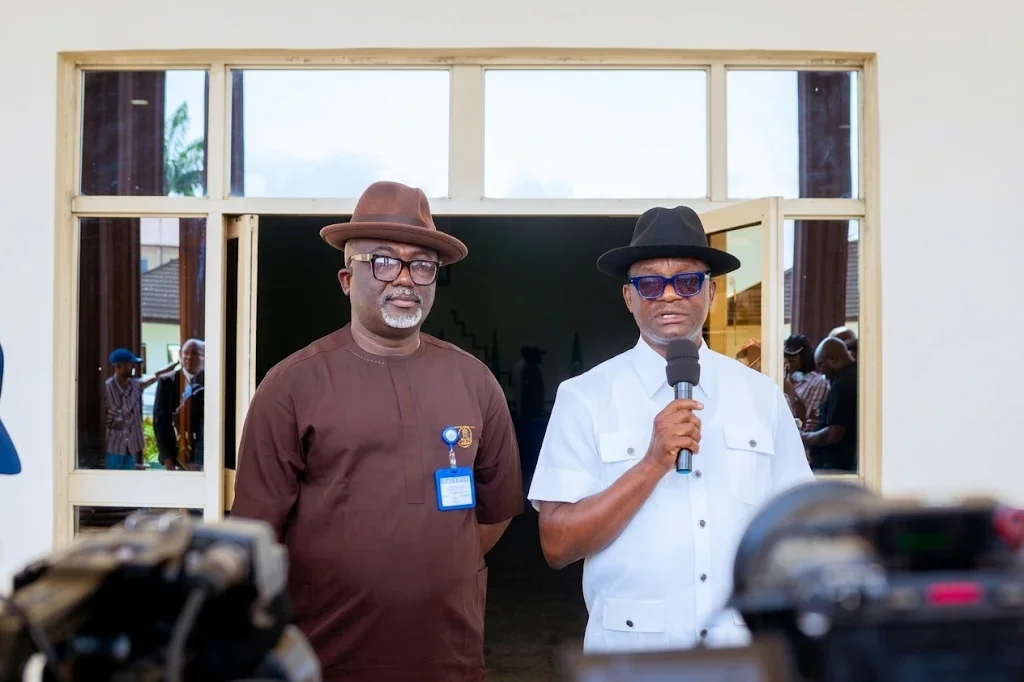
The State Executive Council approved the proposed budget at a meeting chaired by Governor Sheriff Oborevwori in Warri on November 9. The bill will now proceed to the Delta State House of Assembly for legislative consideration.
The proposed allocation represents a major public spending plan for the state, but its impact on residents, businesses and the property market will depend on how effectively the government converts budgetary provisions into completed projects.
Infrastructure takes centre stage
The state government identified road construction, reconstruction and rehabilitation across several communities as key priorities for 2027. The approved interventions cover communities across Delta’s three senatorial districts, reflecting an attempt to distribute infrastructure investment beyond the state capital, Asaba.
The Executive Council also approved projects involving judicial facilities, education infrastructure and community development. These projects are expected to support access to public services and improve connectivity between communities.
For the property market, sustained investment in road infrastructure could improve access to residential and commercial locations, reduce travel constraints and strengthen the appeal of areas that have remained less accessible. However, any effect on land values and development activity will depend on the location, quality and completion of the projects.
Budget approval is only the first step
The Executive Council’s approval does not mean the state has enacted the 2027 budget. The proposed appropriation bill must still pass through the House of Assembly before it becomes the legal basis for government spending.
The legislative process will provide an opportunity to scrutinise the proposed allocations, spending priorities and fiscal assumptions. Implementation will then depend on revenue performance, cash releases, procurement and the government’s ability to manage project costs.
These factors will be particularly important for capital-intensive infrastructure projects, where delays or inadequate funding can undermine delivery timelines and reduce the economic benefits expected from public investment.
Implications for the built environment
Delta’s infrastructure priorities have implications beyond the construction sector. Road improvements can influence the movement of people and goods, support commercial activity and affect the development potential of surrounding communities.
Improved connectivity may also encourage private investment in housing, retail and other real estate developments, particularly where infrastructure removes longstanding access barriers. Public investment in education and judicial facilities could similarly support demand for services and commercial activity around project locations.
For developers and property investors, the relevant consideration will be whether proposed projects receive funding and reach completion. Budget announcements can shape expectations, but completed infrastructure provides the more reliable basis for assessing changes in accessibility and property demand.
The state’s proposed 2027 budget therefore sets out an infrastructure-led development agenda. Its significance will ultimately be measured by the scale of funding released, the pace of project execution and the extent to which the investments improve economic activity and living conditions across Delta.
READ MORE