China Cuts Mortgage Costs as New Measures Target Property Market Recovery
China Puts Mortgage Affordability at Centre of New Property Market Rescue
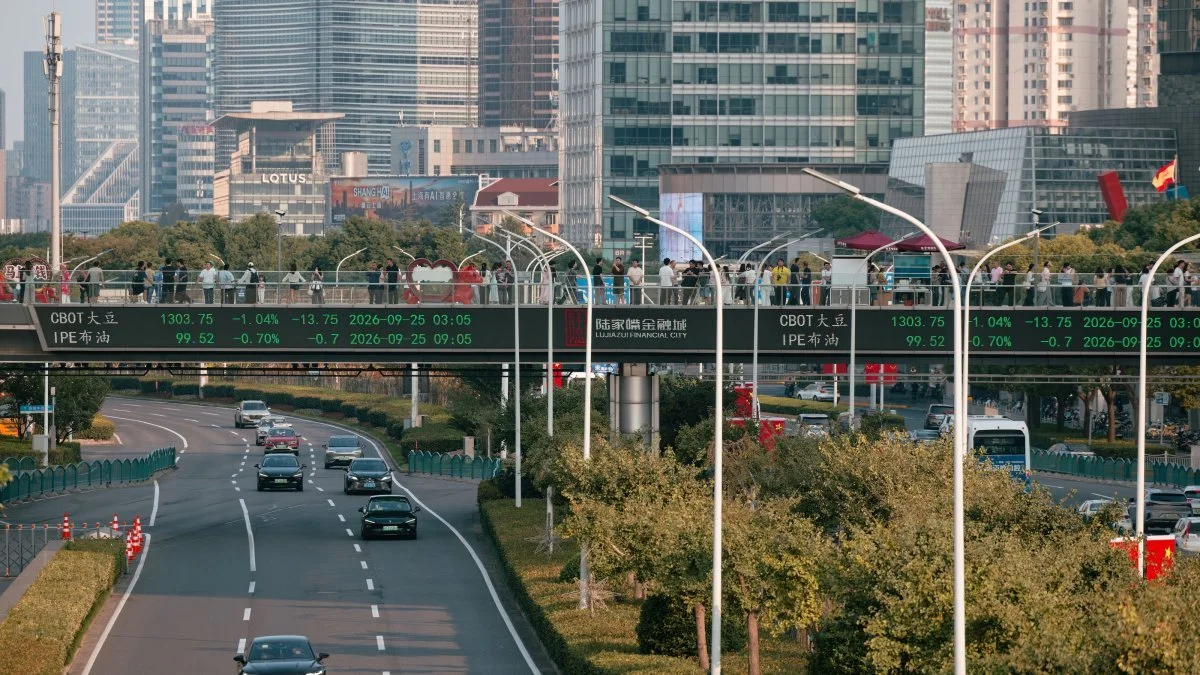
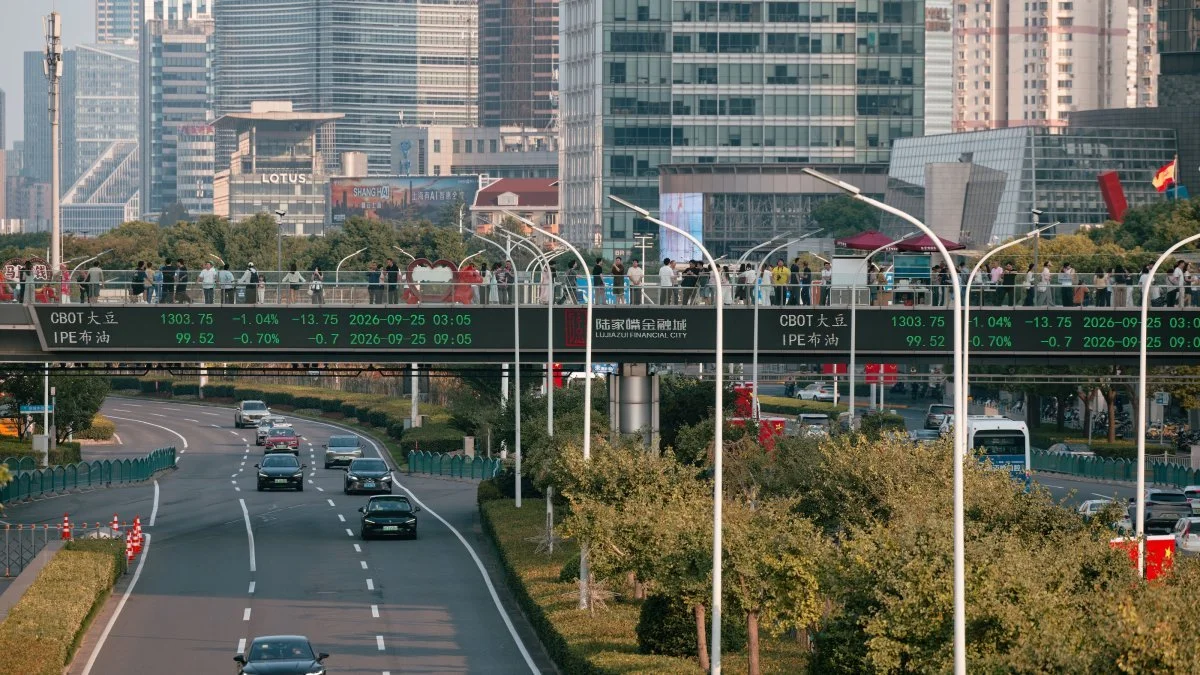
China has unveiled a new package of financial and housing measures aimed at supporting economic growth and reviving its struggling property market, with the government introducing a nationwide mortgage-interest subsidy for eligible first-time homebuyers.
The measures combine cheaper policy-bank funding with targeted support for household housing demand, as policymakers seek to strengthen domestic activity amid continued weakness in the property sector.
/ You Might Also Like /




First-Time Buyers to Receive Mortgage Interest Subsidy
Under the new policy, eligible households purchasing their first home with a newly issued commercial personal housing loan will receive an annual interest subsidy equivalent to one percentage point of the loan principal.
The policy takes effect from October 1, 2026, and is initially scheduled to run for one year.
To qualify, the home must have a floor area of no more than 120 square metres and a purchase price of no more than 1.5 million yuan. The maximum loan amount eligible for the subsidy is 1 million yuan, with the subsidy available for up to five years.
The programme covers both newly built and second-hand homes where they meet the eligibility conditions.
The subsidy will be funded jointly by the central and local governments, with the central government responsible for 90% and local governments covering the remaining 10%. Participating banks will administer the subsidy alongside qualifying mortgage loans.
China Cuts Policy-Bank Funding Rate
Alongside the mortgage intervention, the People's Bank of China cut the one-year interest rate on its pledged supplementary lending (PSL) facility by 25 basis points, from 1.75% to 1.5%.
The PSL facility provides relatively low-cost funding to policy banks for projects aligned with government priorities. The central bank also expanded the scope of projects eligible for PSL support to include water infrastructure, power grids, computing networks, communications infrastructure, urban underground pipelines and logistics networks.
The measures are designed to improve financing conditions for infrastructure and other strategic investments while encouraging financial institutions to direct more credit towards priority sectors.
Broader Credit Support Targets the Economy
The People's Bank of China also increased its relending quota for technological innovation by 200 billion yuan, taking the total to 1.4 trillion yuan.
Additional relending support was announced for agriculture, small businesses and private enterprises, broadening the package beyond the property sector.
The combination of household mortgage support and cheaper institutional funding reflects an attempt to address both sides of the property-market equation: household purchasing power and the availability of financing for investment.
Property Weakness Remains a Drag on Growth
China's latest intervention comes after a prolonged downturn in its property market, which has weighed on construction, household wealth, investment and local-government finances.
The country's economy grew by 4.3% year-on-year in the second quarter of 2026, according to Reuters, marking its slowest quarterly expansion in more than three years. Weak consumption and investment have continued to constrain the broader recovery.
Although China's manufacturing activity returned to expansion in September, with the official manufacturing PMI reaching 50.1, the recovery remains uneven. The property downturn continues to weigh on investment and domestic demand.
Housing Finance Takes Centre Stage
The mortgage subsidy places housing finance at the centre of China's latest attempt to stabilise the property market.
By reducing the effective cost of borrowing for qualifying buyers, the government is seeking to improve affordability and encourage households that have delayed purchases to return to the market.
The structure also targets a defined segment of the market rather than providing an across-the-board mortgage subsidy. The restrictions on property value, floor area and loan size focus the support on first-time buyers purchasing relatively smaller and lower-priced homes.
Policy Could Support Housing Transactions
If eligible buyers respond to the lower effective mortgage costs, the measure could provide some support for housing transactions and improve demand for qualifying properties.
For developers, stronger transaction activity could help improve cash flows and reduce pressure created by weak sales. However, the measures do not by themselves resolve the broader challenges facing China's property sector, including weak confidence, uneven regional demand and the financial difficulties of some developers.
Reuters reported that analysts viewed the latest measures as a more coordinated attempt to support both investment and household demand, while noting that their effectiveness will depend on implementation and the response of households and businesses.
Implications for the Wider Property Market
The Chinese package demonstrates how mortgage affordability, development finance and infrastructure investment can be addressed simultaneously as part of a broader property-market strategy.
The intervention also highlights the importance of the cost and availability of long-term housing finance to property demand. Lower borrowing costs can increase purchasing capacity, while infrastructure investment can support the wider development environment around residential and commercial property.
For housing markets such as Nigeria's, the policy provides an international example of how fiscal and monetary measures can be coordinated to reduce mortgage costs and support housing demand, although differences in market structure, income levels and financial systems mean the approach cannot be directly replicated.
Outlook
China's latest measures represent another significant attempt to stabilise the property market by combining targeted mortgage support with cheaper institutional financing.
The immediate test will be whether the one-year subsidy improves housing transactions and whether broader credit measures translate into stronger investment.
The intervention comes as policymakers balance the need to support property demand and economic growth against the longer-term financial risks associated with extensive credit and property-sector support. The measures therefore mark a further shift towards targeted housing-finance intervention rather than relying solely on broad interest-rate reductions.
READ MORE