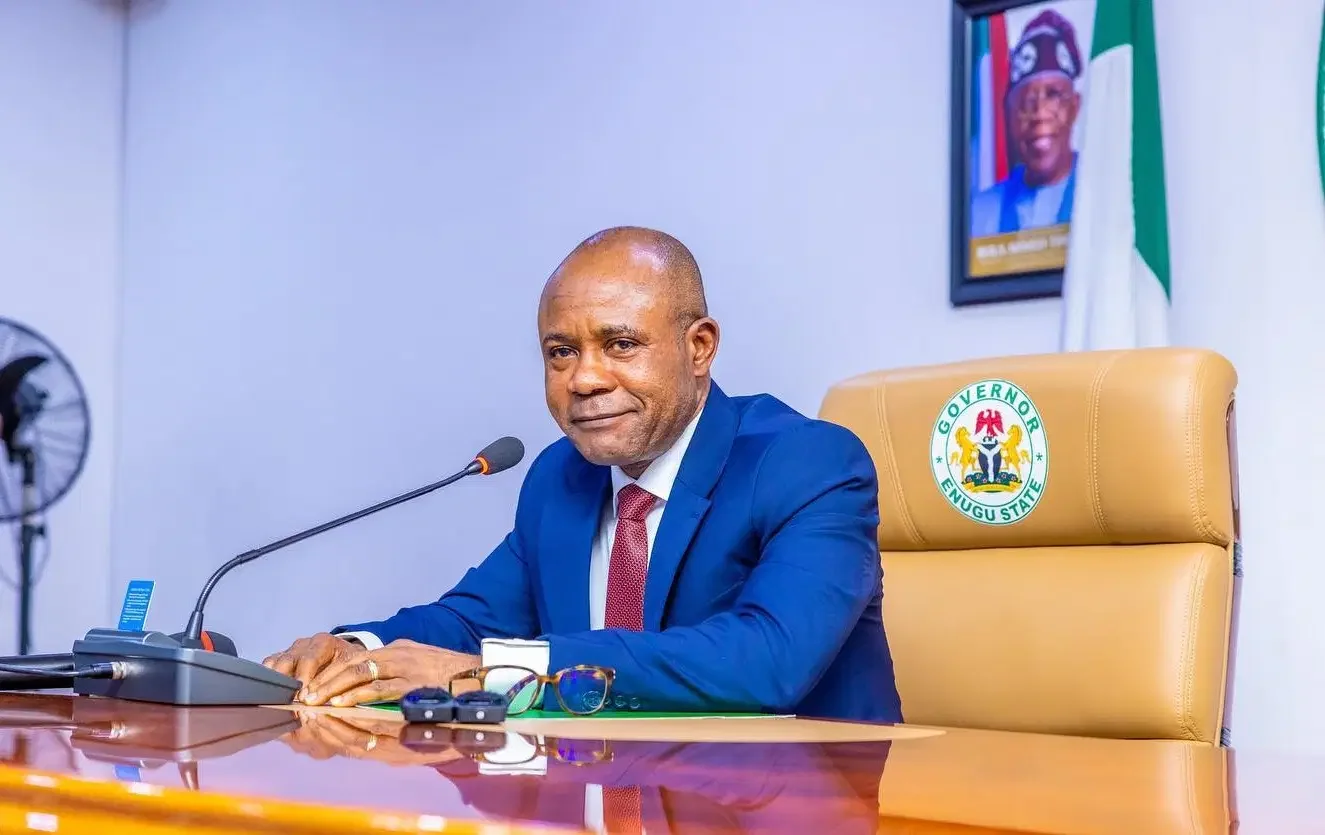
Enugu Leads as Four States Slash Domestic Debt by More Than 20% in H1 2026
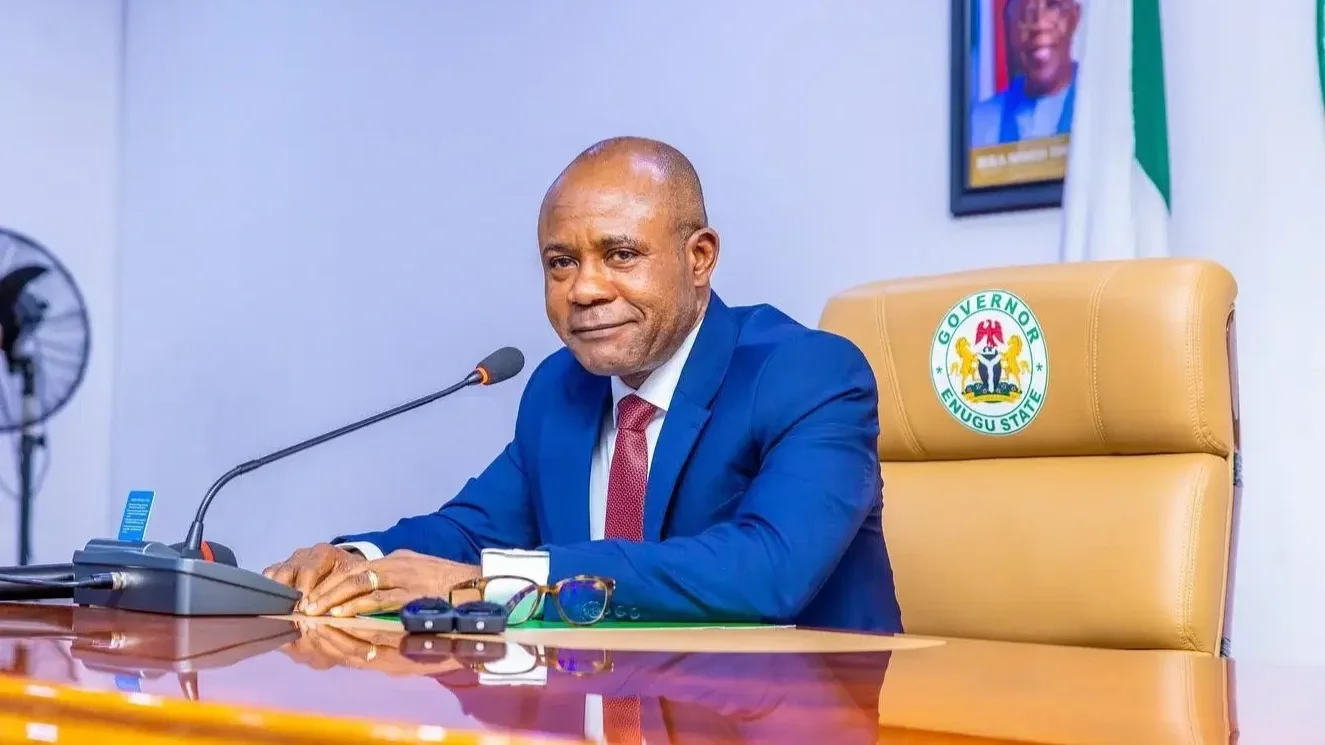
Four states cut domestic debt in H1 2026
Four Nigerian states reduced their domestic debt stocks by more than 20% in the first half of 2026, cutting their combined obligations by ₦97.81 billion between December 2025 and June 2026.
Enugu recorded the largest reduction, cutting its domestic debt by 52.73%, while Jigawa, Ondo and Zamfara also recorded reductions above 20%.
/ You Might Also Like /




The changes highlight significant differences in the fiscal positions of Nigeria's subnational governments, with some states reducing outstanding obligations while others increased borrowing during the same period. The Debt Management Office (DMO) published the underlying June 30, 2026 subnational debt data on September 25.
Enugu Leads Domestic Debt Reduction
Enugu recorded the largest decline among the four states, reducing its domestic debt from ₦157.60 billion in December 2025 to ₦74.51 billion by June 2026.
The ₦83.10 billion reduction represented a 52.73% decline and accounted for approximately 85% of the combined reduction recorded by the four states.
The state reduced its debt by ₦37.57 billion in the first quarter and a further ₦45.52 billion in the second quarter.
Jigawa, Ondo and Zamfara Also Cut Obligations
Jigawa reduced its domestic debt from ₦1.60 billion to ₦1.04 billion, representing a 34.71% decline.
Ondo's debt stock fell from ₦8.42 billion to ₦6.16 billion, a 26.82% reduction, while Zamfara reduced its obligations from ₦57.04 billion to ₦45.14 billion, representing a 20.86% decline.
Together, the four states reduced their domestic debt from ₦224.66 billion at the end of 2025 to ₦126.85 billion by June 2026.
Debt Reduction Accelerated in the Second Quarter
The reductions occurred across both quarters, although the pace increased slightly during Q2.
Combined domestic debt fell by ₦48.24 billion during the first quarter and another ₦49.56 billion in the second quarter.
Enugu was the main driver of the Q2 reduction, cutting its debt by 37.93% during the period. Ondo also recorded reductions in both quarters, while Jigawa's entire six-month decline occurred in Q2.
Zamfara recorded its largest reduction in Q1 before the pace slowed during the second quarter.
Other States Also Reduced Domestic Debt
The four states were not the only subnational governments to reduce their domestic obligations.
Kwara's debt fell by 18.93% from ₦62.99 billion to ₦51.06 billion, while Ogun reduced its debt by 16.89% from ₦227.47 billion to ₦189.05 billion.
Anambra, Ebonyi and Bayelsa also recorded declines of 16.74%, 15.55% and 15.36%, respectively.
The figures indicate that debt reduction occurred across several states, although the scale varied significantly.
Other States Increased Borrowing
The improvement in some states' debt positions occurred alongside increased borrowing elsewhere.
According to the DMO data analysed by Nairametrics, 10 states and the FCT increased their domestic debt stocks between December 2025 and June 2026.
Edo recorded the largest increase at 135.72%, followed by the FCT at 89.98%, Borno at 70.52%, Adamawa at 52.74% and Delta at 48.41%.
The contrasting movements demonstrate that changes in subnational debt are not uniform and can reflect different borrowing, repayment and financing requirements.
What Changing State Debt Means for Infrastructure
State debt positions matter to the construction and infrastructure sectors because subnational governments are responsible for significant amounts of development spending.
Roads, drainage systems, water infrastructure, public buildings and other state-level projects can influence the pace and cost of property development.
A state reducing its debt obligations may have greater scope to direct future resources towards capital expenditure, although debt reduction alone does not establish that additional funds will be allocated to infrastructure.
Conversely, states increasing borrowing may be using debt to finance capital projects, manage budget pressures or meet other expenditure requirements. The underlying purpose of the borrowing therefore remains important when assessing its impact on development.
Housing Delivery Also Depends on State Fiscal Capacity
For the housing sector, state finances have direct implications for the availability of serviced land and supporting infrastructure.
Housing developments require roads, drainage, water, electricity connections and other infrastructure before large-scale private development can become commercially viable.
States with sufficient fiscal capacity can invest in these enabling assets, potentially helping to unlock land for residential development.
However, the reduction in domestic debt should not automatically be interpreted as increased housing spending. The DMO figures show the movement in outstanding obligations, but they do not establish how the resulting fiscal space is being allocated.
Enugu's Position Shows the Scale of Change
Enugu's reduction is particularly notable because the state moved from ₦157.60 billion in domestic debt at the end of 2025 to ₦74.51 billion six months later.
The DMO data show that the state accounted for most of the combined reduction among the four states.
For property and infrastructure stakeholders, the more relevant question going forward is whether changes in the state's debt position translate into different levels of capital investment, infrastructure delivery and land development.
State Debt Remains Uneven Across Nigeria
The latest figures also reinforce the uneven distribution of subnational debt.
NHM's earlier reporting based on September 2025 data showed significant concentration of domestic debt among states such as Lagos, Rivers, Delta, Enugu and Ogun.
The June 2026 data show that individual positions can change substantially within a relatively short period.
This makes periodic monitoring important for developers, contractors and investors assessing state-level infrastructure programmes and development opportunities.
Outlook
The first half of 2026 produced significant changes in Nigeria's subnational debt landscape, with Enugu, Jigawa, Ondo and Zamfara cutting their domestic debt by more than 20%.
At the same time, several other states and the FCT recorded increases, showing that state financing strategies continue to diverge.
For the housing and infrastructure sectors, the significance lies less in debt reduction itself than in how changing fiscal positions affect future capital spending, infrastructure provision and the ability of states to create development-ready land.
The next DMO debt releases will provide a clearer indication of whether the H1 reductions represent sustained changes in state borrowing patterns or short-term movements in subnational debt.
READ MORE