Nigeria’s Real Estate Sector Set for ESG-Driven Transformation

ESG Compliance Emerges as Key Driver of Real Estate Growth in Nigeria
Nigeria’s real estate industry is entering a new phase of transformation driven by Environmental, Social, and Governance (ESG) principles, as investors, regulators, and developers increasingly prioritise sustainability and long-term value creation. The shift reflects evolving global investment standards and growing demand for environmentally responsible and socially inclusive developments.
ESG Becomes Central to Real Estate Investment
The adoption of ESG frameworks is reshaping how real estate projects are financed, developed, and managed. Investors are placing greater emphasis on sustainability metrics, governance standards, and social impact when allocating capital.
This transition marks a departure from traditional models focused primarily on short-term returns. Developers are now required to demonstrate compliance with environmental standards, efficient resource use, and responsible urban planning to remain competitive in attracting both local and international funding.
/ You Might Also Like /


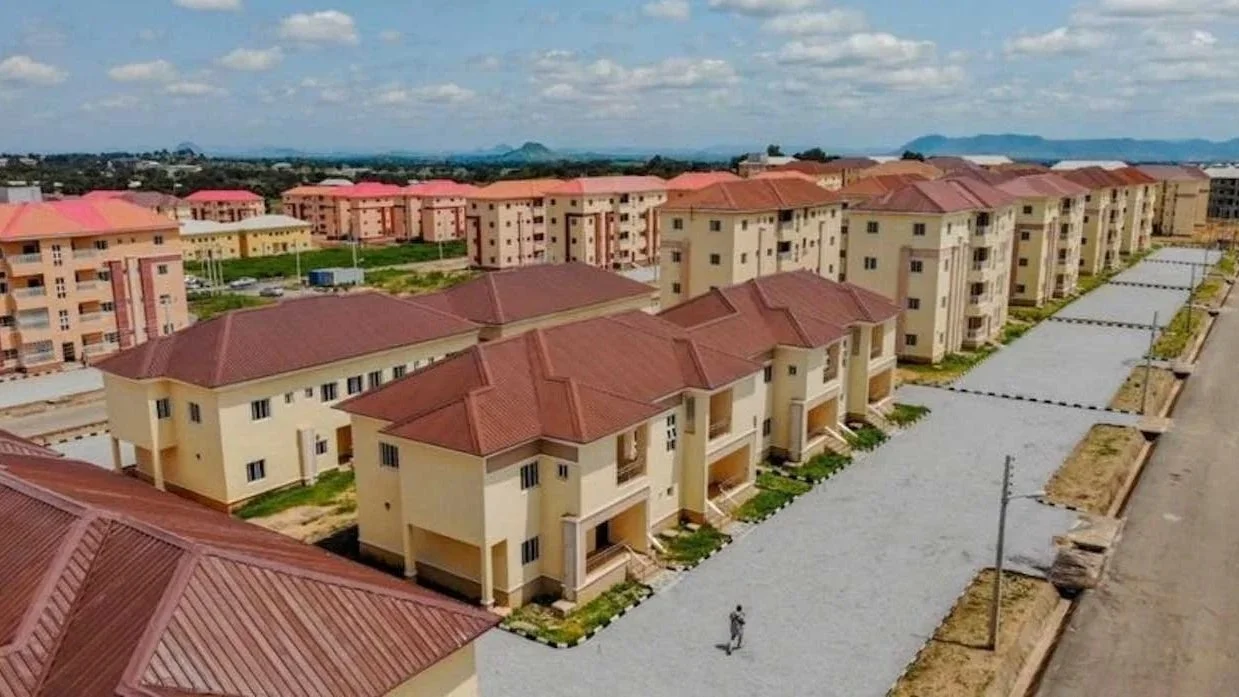

Industry stakeholders note that ESG considerations are no longer optional but increasingly central to investment decision-making, particularly among institutional investors.
Regulatory Momentum and Compliance Requirements
Nigeria’s regulatory environment is evolving to support ESG adoption across sectors, including real estate. Authorities such as the Securities and Exchange Commission and the Nigerian Exchange Limited have introduced sustainability disclosure requirements for listed companies, signalling a shift toward mandatory ESG reporting.
Similarly, the Central Bank of Nigeria has implemented sustainable banking principles, encouraging financial institutions to integrate ESG considerations into lending and investment decisions.
These frameworks are expected to influence real estate financing by directing capital toward projects that meet defined sustainability and governance criteria.
Rise of Green Buildings and Sustainable Developments
The ESG shift is accelerating the adoption of green building practices in Nigeria’s property market. Developers are increasingly focusing on energy efficiency, waste reduction, and environmentally friendly construction materials.
Projects such as Heritage Place demonstrate the viability of sustainable real estate, with features designed to reduce energy consumption by up to 40 percent.
Emerging developments like Isimi Lagos further illustrate the trend toward integrating sustainability into large-scale urban planning. These projects prioritise wellness, environmental preservation, and long-term livability.
Market Drivers: Capital, Risk, and Urbanisation
Several structural factors are accelerating ESG adoption in Nigeria’s real estate sector:
Access to Capital: Investors increasingly favour ESG-compliant assets, improving funding prospects for sustainable projects.
Risk Management: ESG integration helps mitigate environmental and regulatory risks, enhancing project resilience.
Urbanisation Pressure: Rapid urban growth is driving demand for efficient, sustainable housing solutions.
These drivers are converging to reshape the industry’s long-term development model.
Implications for Developers and Investors
For developers, ESG adoption introduces both opportunities and constraints. While compliance may increase upfront costs, it can deliver long-term benefits through operational efficiency, higher asset values, and improved tenant demand.
Investors, particularly institutional players, are likely to prioritise projects with strong ESG credentials, viewing them as lower-risk and more sustainable over time.
However, the transition also requires improved data systems, governance structures, and technical expertise to meet evolving standards.
Challenges to Implementation
Despite growing momentum, ESG adoption in Nigeria’s real estate sector faces several challenges:
Limited awareness and technical capacity among smaller developers
Higher initial costs for sustainable construction
Gaps in enforcement and regulatory consistency
Addressing these constraints will be critical to scaling ESG integration across the industry.
Nigeria’s real estate sector is undergoing a structural shift toward ESG-driven development, reflecting global investment trends and domestic policy evolution. As sustainability becomes central to capital allocation and project design, the industry is poised for a transformation that prioritises long-term value, environmental responsibility, and governance standards.
The pace and success of this transition will depend on regulatory enforcement, investor commitment, and the ability of developers to integrate ESG principles into core business strategies.
READ MORE