FG Moves to Address Gas Shortages Disrupting Power Generation - Adelabu

Nigeria’s Power Sector Gets Boost as FG Tackles Gas Supply Challenges
Nigeria’s Minister of Power, Adebayo Adelabu, has confirmed that the Federal Government is taking steps to address persistent gas supply shortages affecting power generation companies (GenCos). The intervention aims to stabilise electricity supply, which has been constrained by reduced gas availability to thermal power plants.
Government Response to Gas Supply Constraints
The minister stated that ongoing measures are being implemented to resolve the gas shortages that have significantly limited electricity production nationwide. He expressed confidence that these interventions will gradually improve power supply, although specific policy actions were not disclosed.
Adelabu emphasised that the reforms initiated by the administration are beginning to yield results and are expected to enhance reliability across the power sector in the near term.
/ You Might Also Like /



Impact of Gas Shortages on Power Generation
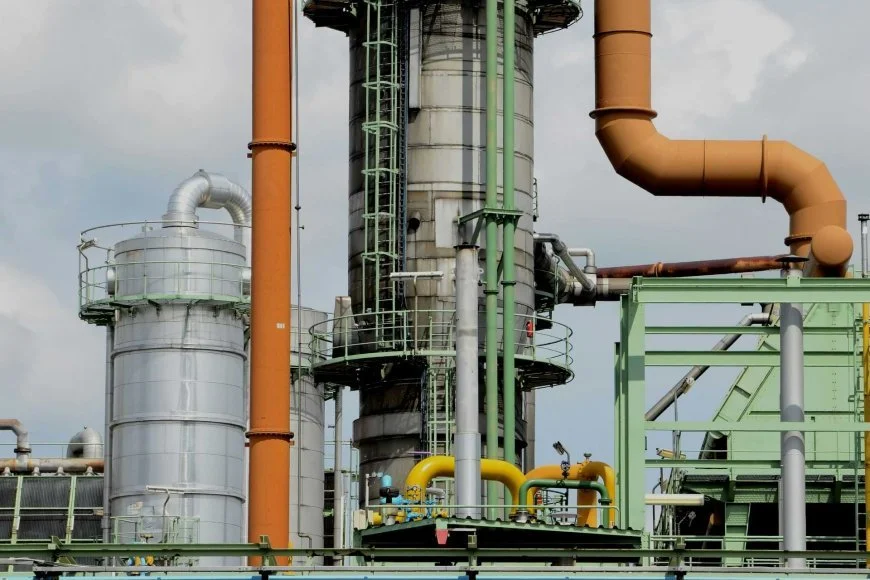
Nigeria’s electricity generation remains heavily dependent on gas-fired plants, which account for roughly 70 percent of total output. However, these plants are currently operating below optimal capacity due to insufficient gas supply.
Thermal plants have reportedly received less than 43 percent of the gas volumes required for full operations, contributing to a decline in generation levels to below 3,940 megawatts in recent periods.
Data from the Nigerian Independent System Operator indicate that gas constraints reduced available generation to about 4,300MW in February 2026 and further down to 3,940MW in March 2026.
These shortages have led to increased grid instability, periodic blackouts, and higher operating costs for businesses relying on alternative power sources.
Financial Constraints and Sector Debt
A major driver of the gas supply challenge is the mounting debt within Nigeria’s electricity value chain. Generation companies reportedly owe gas suppliers approximately ₦3.3 trillion, while total debts across the sector including obligations to the Nigerian Bulk Electricity Trading company exceed ₦6.8 trillion.
These financial constraints have weakened the ability of GenCos to secure consistent gas supply, leading to reduced generation capacity and operational disruptions.
Policy Context and Reform Efforts
The Federal Government’s intervention forms part of broader reforms aimed at stabilising Nigeria’s power sector. Authorities are seeking to improve liquidity, enhance gas supply infrastructure, and strengthen coordination across the energy value chain.
Adelabu noted that achieving reliable and sustainable electricity will require continued public support and effective implementation of ongoing reforms
Economic and Infrastructure Implications
Gas shortages in the power sector have significant economic consequences. Unreliable electricity supply increases production costs, reduces industrial output, and limits economic growth.
For investors and policymakers, resolving these constraints is critical to unlocking productivity gains, improving competitiveness, and attracting investment into key sectors of the economy.
The Federal Government’s commitment to addressing gas shortages affecting GenCos signals a renewed focus on stabilising Nigeria’s electricity supply. While early signs of improvement are expected, the effectiveness of these measures will depend on resolving underlying financial constraints, improving gas infrastructure, and sustaining reform momentum.
Ensuring consistent gas supply remains central to achieving long-term energy security and supporting Nigeria’s broader economic development objectives.
READ MORE