Housing Crisis Deepens as Rivers Residents Spend Over 100% of Income on Rent
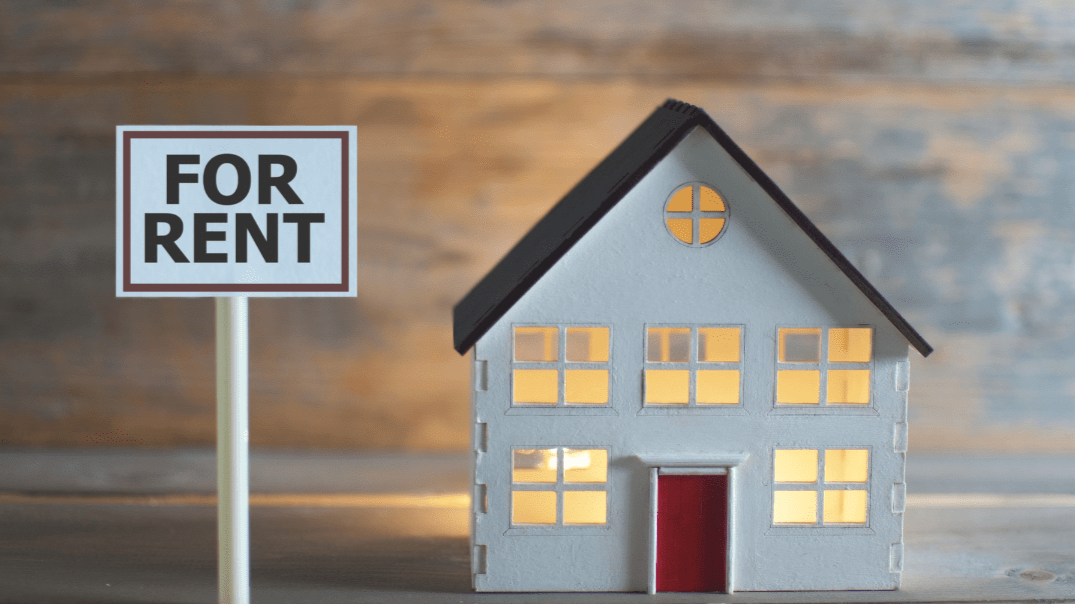
Rivers Housing Crisis Worsens as Majority Spend Entire Income on Rent
The National Union of Tenants of Nigeria has raised concerns over a deepening housing affordability crisis in Rivers State, revealing that more than 80 percent of residents now spend over 100 percent of their income on rent. The disclosure, made in a formal communication to Governor Siminalayi Fubara, underscores mounting pressure on households as rental costs continue to surge across key urban centres.
/ You Might Also Like /

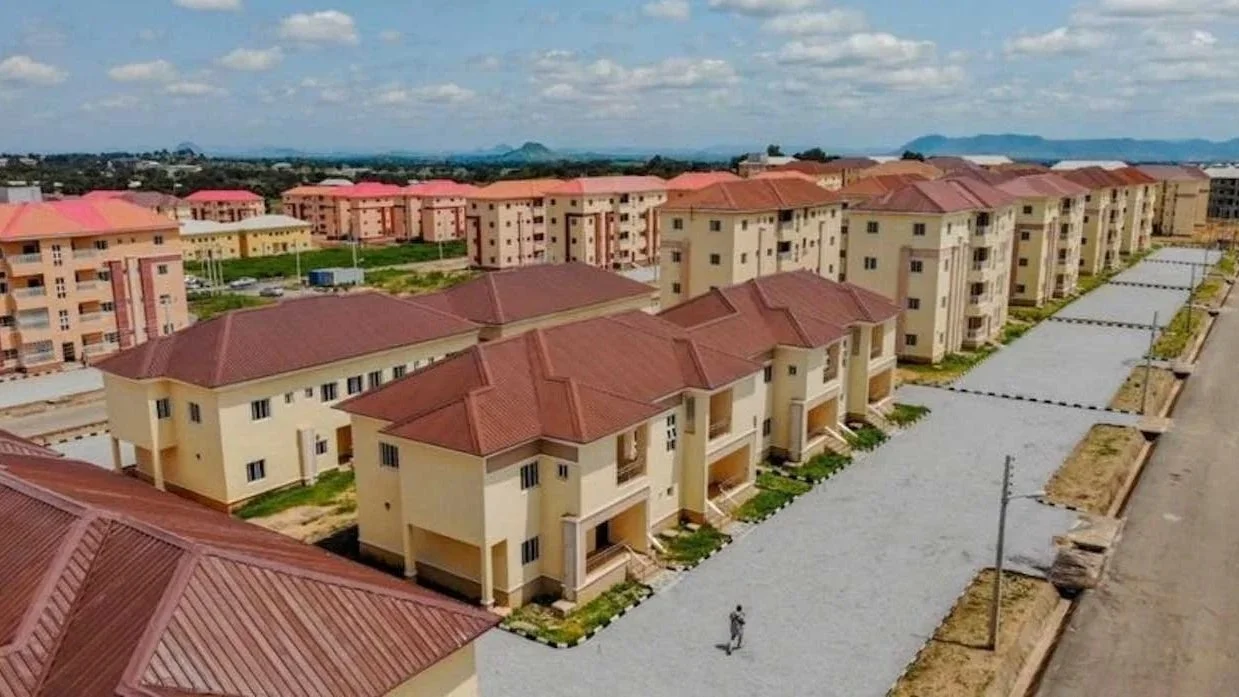

Escalating Rent Burden Across Urban Centres
The housing crisis is most pronounced in Port Harcourt and Obio-Akpor, where rental prices have risen sharply between 2023 and 2025. According to the tenants’ union, the rapid increase has outpaced income growth, forcing many households into financial distress.
The union noted that rent now consumes a disproportionate share of household income, leaving limited resources for essential needs such as food, healthcare, and transportation. This trend has intensified poverty levels and reduced overall living standards in the state.
Rental Price Surge Across Housing Segments
Recent data highlights the scale of rent increases across major housing categories. Self-contained apartments now average about ₦800,000 annually, while one-bedroom flats cost approximately ₦1.5 million. Two-bedroom units range between ₦2 million and ₦2.5 million, and three-bedroom apartments command between ₦3 million and ₦4 million.
The escalation has been particularly steep over the past four years. For example, the cost of a single room has risen from ₦60,000 in 2022 to ₦180,000 in 2026, while self-contained units increased from ₦150,000 to ₦800,000 within the same period.
Structural Drivers of the Housing Crisis
The union attributes the surge in rental prices to several structural factors. These include a persistent housing deficit, the demolition of residential properties for infrastructure projects such as the Port Harcourt Ring Road, and the activities of unregulated estate agents.
Additional pressures stem from the conversion of residential buildings into commercial use, which has reduced available housing stock and further tightened supply. These dynamics have collectively driven up rental prices across the state.
Risk of Social and Economic Instability
The NUTN has warned that the current trajectory could lead to severe long-term consequences. If left unaddressed, the crisis may result in increased homelessness, the expansion of informal settlements, and rising social tensions by 2030.
The union also noted that rising living costs are already forcing some residents to relocate, potentially affecting labour availability and economic productivity in key urban centres.
Policy Recommendations and Government Action
To address the crisis, the union has called for targeted policy interventions. Recommendations include stricter regulation of estate agents, enforcement against illegal property conversions, and the establishment of a housing data system to track rental trends.
The union also urged the state government to increase land allocation for low-income housing and invest in student accommodation to ease demand pressure on existing housing stock.
Broader Implications for Nigeria’s Housing Market
The situation in Rivers State reflects a wider trend across Nigeria’s urban centres, where rising rents continue to outpace income growth. Similar pressures have been observed in Lagos and Abuja, indicating systemic challenges in housing supply and affordability.
For investors and policymakers, the data highlights the urgency of scaling affordable housing delivery and implementing regulatory frameworks that ensure market stability without discouraging private sector participation.
The revelation that over 80 percent of Rivers residents spend more than their income on rent underscores the severity of Nigeria’s urban housing crisis. Addressing this challenge will require coordinated policy action, increased housing supply, and stronger market regulation. Without intervention, affordability pressures are likely to intensify, with significant social and economic consequences.
READ MORE