Africa Turns to Dangote Refinery as Iran War Disrupts Fuel Supply Chains
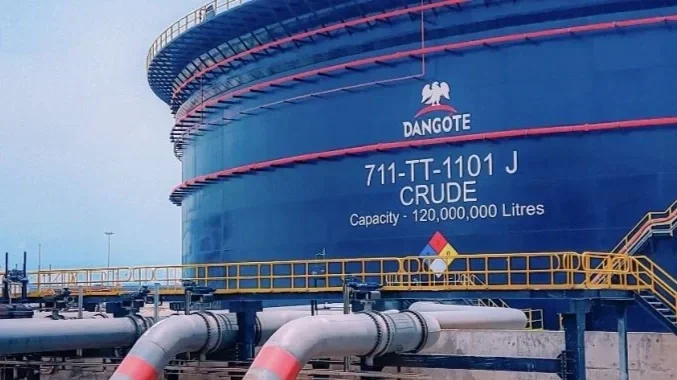
Iran War Elevates Dangote Refinery as Key Energy Hub for Africa
The Dangote Refinery is emerging as a critical alternative fuel supply source for African countries as the ongoing Iran war disrupts global oil flows. Governments across the continent are increasingly turning to the Nigerian-based refinery to secure refined petroleum products amid tightening supply conditions and rising geopolitical risks.
Surge in Demand from African Countries
The refinery has recorded a significant increase in inquiries from multiple African countries seeking to stabilise fuel supply. Nations including South Africa and others across the continent have approached the facility for supply arrangements following disruptions linked to the conflict.
The surge reflects a broader scramble for alternative fuel sources as the Iran war constrains traditional supply routes, particularly those linked to the Middle East. Historically, a large share of refined fuel imports into East and Southern Africa originates from this region, making the disruption particularly severe
/ You Might Also Like /



Geopolitical Shock Reshaping Energy Flows
The conflict has triggered significant disruptions to global energy infrastructure, including attacks on key oil and gas facilities and heightened risks along strategic shipping routes. These developments have contributed to supply shortages and increased price volatility across global markets.
African economies many of which depend heavily on imported refined fuel are especially vulnerable. Reports indicate that some countries are operating with limited fuel reserves as supply chains tighten.
This environment has elevated the strategic importance of regional refining capacity, with the Dangote Refinery positioned as a viable alternative supplier.
Refining Capacity and Strategic Positioning
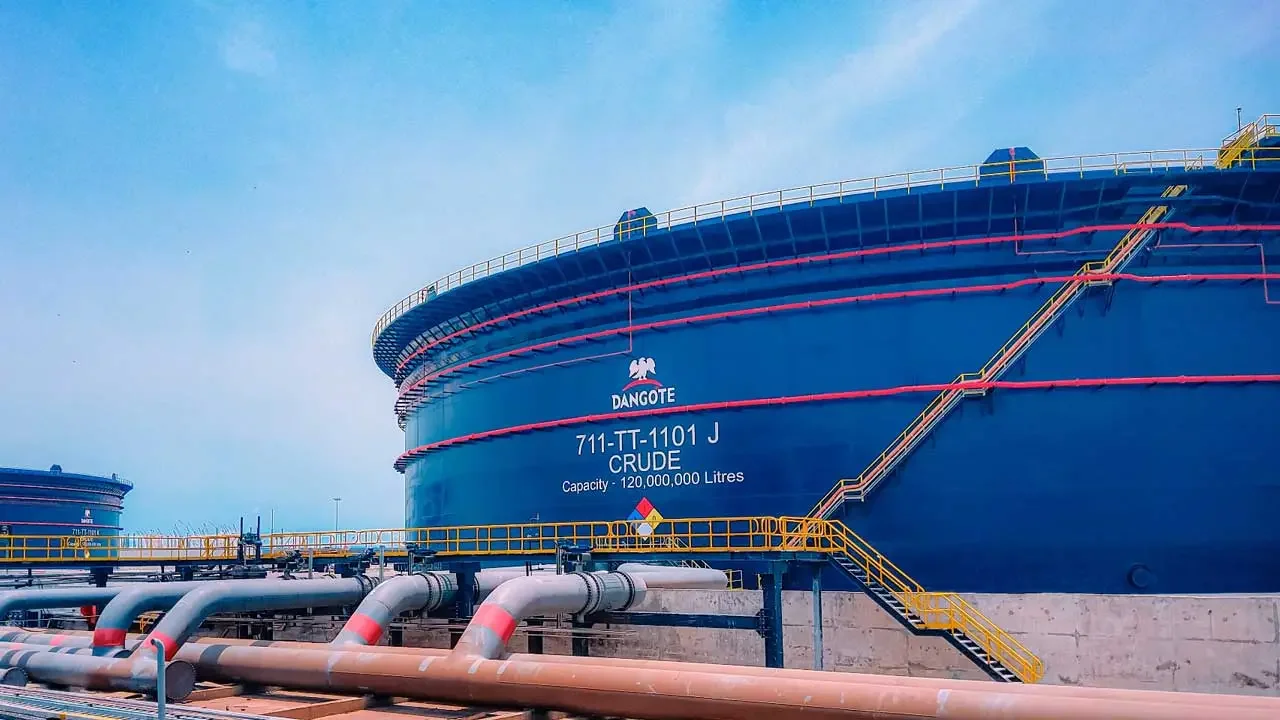
The Dangote Refinery, with a capacity of approximately 650,000 barrels per day, is the largest single-train refinery globally and has the potential to meet Nigeria’s domestic fuel needs while exporting surplus to other markets.
Its scale and output position it as a key player in reshaping Africa’s energy supply dynamics. The refinery already supplies significant volumes of refined products domestically and is expanding its role in regional trade.
As global supply chains face disruption, proximity and scale give the refinery a competitive advantage in serving African markets more efficiently than distant suppliers.
Implications for Africa’s Energy Security
The shift toward sourcing fuel from within the continent reflects a broader push for energy security and reduced reliance on external markets.
By leveraging regional refining capacity, African countries can mitigate exposure to geopolitical shocks, currency volatility, and logistical disruptions. The Dangote Refinery’s emergence as a supply hub supports this transition, offering shorter supply chains and potentially more stable pricing dynamics.
However, experts caution that while the refinery provides a critical buffer, it cannot fully offset continent-wide supply gaps in the short term, particularly given Africa’s overall demand for refined products.
Economic and Market Impact
The increased demand for Dangote’s output could reshape trade flows and pricing structures within Africa’s fuel market.
For Nigeria, the development presents an opportunity to strengthen its position as a regional energy exporter and generate foreign exchange earnings. At the same time, higher global crude prices driven by the conflict may increase production costs, with potential pass-through effects on fuel prices.
For importing countries, securing supply remains the immediate priority, even as higher costs strain fiscal balances and inflation.
The Dangote Refinery’s emergence as a key fuel alternative amid the Iran war highlights a pivotal shift in Africa’s energy landscape. As global supply chains face disruption, regional solutions are becoming increasingly critical.
Sustaining this role will depend on consistent crude supply, operational efficiency, and the ability to scale exports to meet growing demand. Over the longer term, the development underscores the strategic importance of expanding refining capacity across Africa to enhance energy security and economic resilience.
READ MORE