The US dollar weakened after Democrats secured control of Congress in the 2026 midterm elections
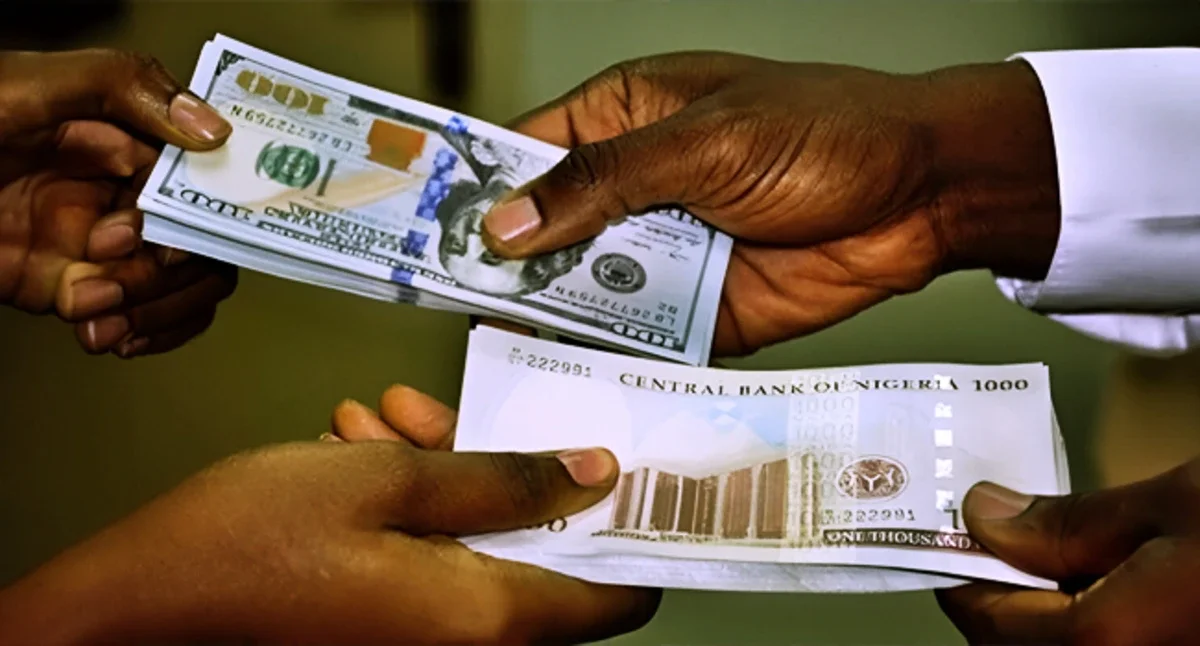
The US dollar weakened to a one-month low on Wednesday, November 4, 2026, after the Democratic Party secured control of both chambers of the US Congress in the midterm elections, creating a potentially favourable external environment for the Nigerian naira.
The dollar's decline has raised expectations that emerging-market currencies, including the naira, could benefit from changing global investment flows as investors reassess the outlook for US economic policy, government borrowing and interest rates.
/ You Might Also Like /




The development could support Nigeria's foreign exchange market if a weaker dollar encourages international investors to increase their exposure to higher-yielding emerging and frontier-market assets.
However, the potential benefit to the naira will depend on domestic conditions, including foreign exchange supply, monetary policy, external reserves, oil earnings and investor confidence.
Dollar Falls as Markets React to Democratic Victory
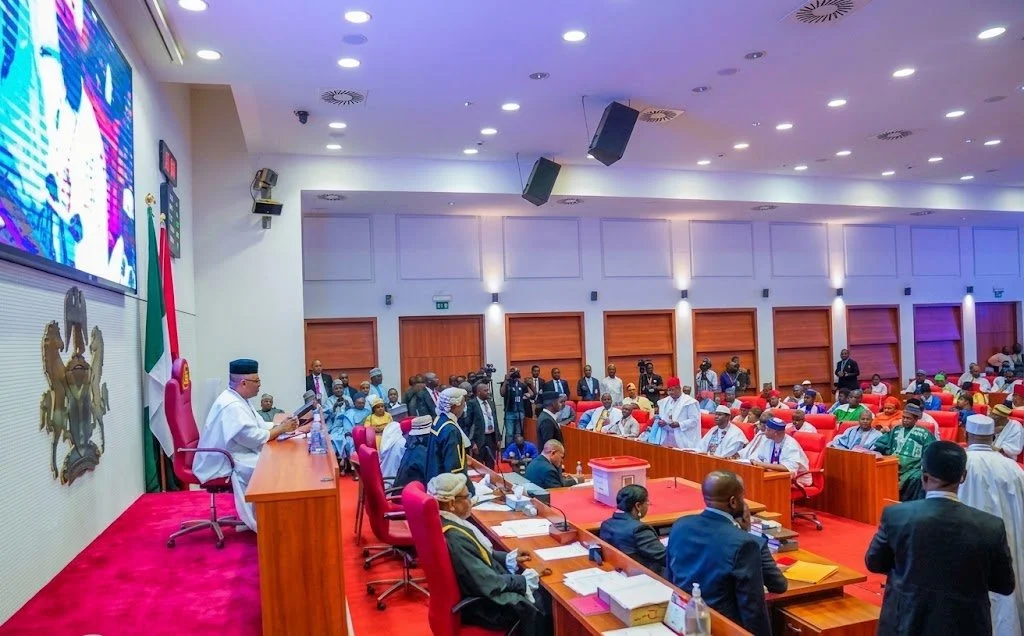
The dollar came under pressure after Democrats secured majorities in the House of Representatives and Senate, raising expectations of greater political gridlock during the remainder of President Donald Trump's administration.
Reuters reported that the dollar index, which measures the US currency against a basket of six major currencies, fell to 101.41, its lowest level in about a month.
The euro and British pound strengthened, while the dollar also weakened against the Japanese yen and Swiss franc.
Investors are assessing the possibility that a Democratic-controlled Congress could constrain some of Trump's fiscal and regulatory proposals, particularly plans involving tax cuts, government spending and technology-sector deregulation.
Concerns about tighter oversight of artificial intelligence companies and data-centre investments have also contributed to uncertainty about the outlook for US economic growth.
The shift in investor expectations has supported demand for US government bonds, pushing Treasury yields lower and adding to pressure on the dollar.
However, the election outcome does not immediately change US policy. The newly elected Congress is expected to assume office in January 2027, meaning the immediate currency reaction largely reflects investor expectations rather than implemented legislative changes.
Weaker Dollar Could Support Naira Through Foreign Investment
The decline in the dollar could create opportunities for emerging and frontier-market currencies by making investments outside the United States relatively more attractive.
According to market analysis cited by Nairametrics, Nigeria could benefit if international investors redirect some funds towards naira-denominated assets, particularly government securities and other high-yielding investments.
Nigeria's relatively high interest rates could attract foreign portfolio investors seeking stronger returns, provided they have confidence in the country's exchange-rate outlook and ability to repatriate their investments.
Increased foreign investment in Nigerian securities would bring additional dollar supply into the foreign exchange market, potentially supporting the naira.
The effect could be particularly relevant to Nigeria's foreign exchange market, where the availability of foreign currency remains an important factor influencing exchange-rate stability.
However, foreign portfolio investment can be volatile. Investors may withdraw funds quickly when global financial conditions change or concerns emerge about currency depreciation, inflation and investment risks.
Domestic Conditions Remain Critical to Naira Stability
Although a weaker dollar could provide external support, Nigeria's currency outlook will continue to depend heavily on domestic economic fundamentals.
The Central Bank of Nigeria's monetary policy decisions, foreign exchange market liquidity and external reserves will remain important in determining the naira's performance.
Oil production and export earnings are also critical because crude oil remains a major source of foreign exchange for the country.
Higher oil receipts could strengthen dollar supply and improve the Central Bank's capacity to manage foreign exchange pressures. Conversely, production disruptions, weaker export earnings or increased demand for foreign currency could limit the benefits of a softer dollar.
Investors will also monitor Nigeria's inflation outlook, fiscal position and the consistency of foreign exchange policies before committing funds to naira-denominated assets.
The global political development therefore offers a potentially favourable external condition, rather than a guarantee of sustained naira appreciation.
Implications for Housing, Construction and Property Investment
Exchange-rate movements have significant implications for Nigeria's housing and construction sectors because the industry relies on imported materials, equipment and components.
A more stable naira could reduce the local-currency cost of imported building materials, including specialised fittings, electrical equipment, lifts, finishing products and construction machinery.
It could also improve cost planning for developers whose projects depend on imported inputs or foreign-denominated financing.
For prospective homeowners, sustained exchange-rate stability could help reduce some of the cost pressures that have affected property development and housing prices.
However, the effect would not be immediate or uniform. Local cement prices, labour, land costs, transportation, energy expenses and domestic financing conditions also influence construction costs.
A stronger naira would therefore need to be sustained and accompanied by improvements in domestic production and supply chains before developers and homebuyers could experience meaningful relief.
For now, the dollar's weakness offers a potentially supportive external development for Nigeria, but the extent of any benefit to the naira will depend on the country's ability to strengthen its own foreign exchange fundamentals.
READ MORE