Nigeria-Philippines Trade Surges 700% to $300 Million in Three Years
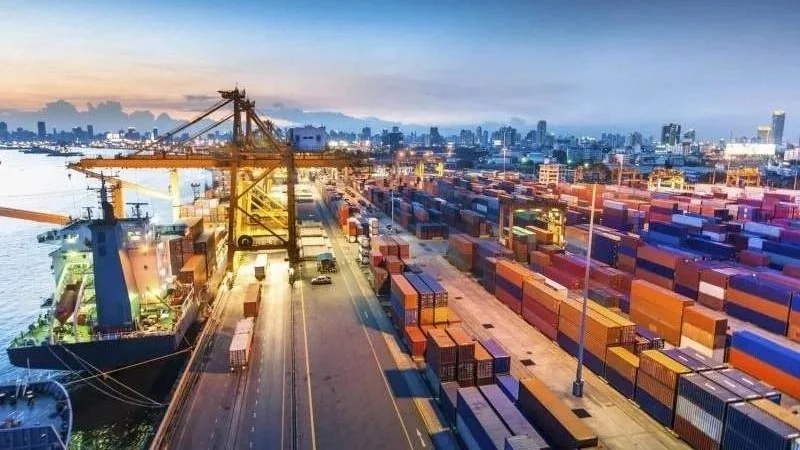
Bilateral Trade Between Nigeria and Philippines Climbs to $300 Million
Trade relations between Nigeria and the Philippines have recorded remarkable growth, with bilateral trade increasing by 700% to approximately $300 million over the past three years. The significant rise highlights deepening economic cooperation between both countries and reflects growing opportunities for trade, investment and commercial partnerships across multiple sectors.
/ You Might Also Like /




The development was disclosed during engagements between officials of both countries, where stakeholders highlighted the expanding volume of trade and the potential for further collaboration in agriculture, manufacturing, technology, healthcare, education and other strategic sectors. The growth underscores increasing efforts by both governments to strengthen economic ties and diversify trade partnerships amid evolving global market conditions.
Bilateral Trade Records Significant Growth
According to officials, trade between Nigeria and the Philippines has expanded from relatively modest levels to reach approximately $300 million within three years. The increase represents one of the strongest recent growth rates in bilateral trade involving Nigeria and an Asian partner.
The surge reflects stronger commercial exchanges between businesses in both countries and growing demand for products and services across various sectors. Stakeholders noted that improved diplomatic engagement and economic cooperation have contributed to the upward trajectory.
The development also aligns with Nigeria's broader strategy of expanding trade relationships beyond traditional markets while attracting investment capable of supporting economic diversification and industrial development.
Opportunities for Economic Cooperation
Government representatives from both countries identified several areas where cooperation could be strengthened further. These include agriculture, food processing, healthcare services, information technology, education and manufacturing.
The Philippines has established a reputation as a major player in business process outsourcing, digital services and electronics manufacturing, while Nigeria continues to position itself as one of Africa's largest consumer markets and a strategic gateway to regional trade opportunities.
Officials indicated that stronger engagement between the private sectors of both countries could unlock new investment opportunities and increase trade volumes in the coming years.
Implications for Investment and Industrial Growth
The expansion of trade relations comes at a time when Nigeria is seeking to diversify its economy, boost non-oil exports and attract foreign direct investment. Increased trade activity can contribute to industrial growth, job creation and technology transfer, particularly where partnerships involve local manufacturing and value-added production.
Economic analysts note that stronger trade relationships often create opportunities for investment in logistics, warehousing, transportation infrastructure and industrial facilities. Such developments can generate broader economic benefits and support long-term growth objectives.
For businesses, the growth in Nigeria-Philippines trade may also open new export markets and encourage greater collaboration between companies operating in both countries.
Growing Importance of South-South Trade
The latest figures highlight the increasing importance of trade among emerging economies. As global trade patterns evolve, countries are placing greater emphasis on building relationships with partners across Asia, Africa and Latin America to reduce dependence on traditional markets and strengthen economic resilience.
Nigeria's growing engagement with the Philippines reflects this trend and demonstrates the potential benefits of expanding commercial relationships with fast-growing economies outside conventional trade corridors.
Stakeholders believe that enhanced cooperation could lead to additional agreements covering investment promotion, skills development, technology exchange and business facilitation.
Outlook for Future Growth
While trade has already recorded substantial growth, officials from both countries expressed confidence that current volumes represent only a fraction of the potential available. Continued diplomatic engagement, business-to-business partnerships and investment promotion initiatives are expected to support further expansion.
Analysts suggest that improvements in logistics, trade facilitation and market access could help accelerate bilateral commerce and create new opportunities for businesses seeking to enter either market.
As Nigeria continues to pursue export-led growth and economic diversification, stronger trade relationships with countries such as the Philippines are expected to play an increasingly important role in achieving these objectives.
Conclusion
The 700% increase in Nigeria-Philippines trade to $300 million over three years reflects strengthening economic ties between both countries and growing opportunities for business collaboration. As governments and private-sector stakeholders seek to deepen cooperation, the relationship is expected to support trade expansion, investment flows and broader economic development. The milestone also highlights Nigeria's ongoing efforts to diversify its trade partnerships and strengthen its position within the global economy.
READ MORE