Lafarge Africa Rebrands as HBM Nigeria Following Huaxin Acquisition
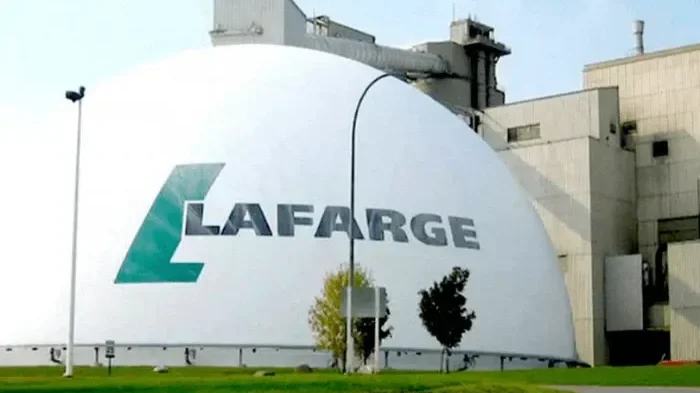
HBM Nigeria Launches as Successor Brand to Lafarge Africa
Lafarge Africa Plc has officially adopted a new corporate identity, rebranding as HBM Nigeria following its acquisition by Chinese cement manufacturer Huaxin Cement. The transition marks a major milestone in the company's evolution and signals the completion of a significant ownership change within Nigeria's cement and building materials industry. The rebranding reflects Huaxin Cement's integration of the business into its global operations while maintaining its commitment to serving Nigeria's construction, housing and infrastructure sectors. According to the company, the new identity represents continuity in operations alongside a renewed focus on growth, innovation and long-term investment in the Nigerian market.
/ You Might Also Like /




Rebranding Follows Landmark Acquisition
The name change follows Huaxin Cement's acquisition of Holcim's majority stake in Lafarge Africa, a transaction that reshaped ownership within one of Nigeria's leading cement producers. The acquisition formed part of Holcim's broader strategy to streamline its portfolio and focus on selected markets, while Huaxin sought to strengthen its international presence through investments in high-growth economies.
With the transition now completed, HBM Nigeria becomes part of Huaxin's global network of cement and building materials companies operating across several regions. The company stated that the new brand identity reflects its ambition to build on Lafarge Africa's established market position while leveraging the technical expertise and operational capabilities of its new parent company.
Strategic Importance for the Construction Sector
The rebranding carries significance beyond corporate identity, particularly for Nigeria's construction, infrastructure and housing sectors. As one of the country's major cement manufacturers, HBM Nigeria plays an important role in supplying materials used in residential developments, commercial projects and public infrastructure.
Demand for cement remains closely linked to housing delivery, urbanisation and infrastructure investment. With Nigeria facing a housing deficit estimated at more than 20 million units, industry stakeholders continue to emphasise the importance of reliable and competitive building materials supply in supporting efforts to increase housing production and improve affordability.
The company's continued operations are therefore viewed as critical to maintaining supply chains that support developers, contractors and government housing initiatives.
Commitment to Market Growth
Company executives indicated that the transition to HBM Nigeria will not alter existing commitments to customers, suppliers and stakeholders. Instead, the new ownership structure is expected to support future investments aimed at improving production efficiency, expanding capacity and enhancing sustainability initiatives.
The company also reaffirmed its commitment to supporting Nigeria's economic development through local manufacturing, job creation and continued participation in strategic infrastructure and housing projects.
Industry analysts note that international investment in Nigeria's manufacturing and building materials sector can contribute to technology transfer, operational improvements and increased competitiveness within the market.
Implications for Housing and Infrastructure Delivery
For the housing sector, the emergence of HBM Nigeria comes at a time when policymakers and developers are seeking ways to reduce construction costs and accelerate housing delivery. Cement remains one of the most significant cost components in residential and infrastructure projects, making developments within the industry particularly relevant to housing stakeholders.
A stable and competitive cement industry can help support large-scale housing programmes, urban renewal projects and infrastructure expansion by ensuring the availability of critical construction materials.
The transition also reflects growing international investor confidence in Nigeria's long-term infrastructure and housing potential despite prevailing economic challenges.
Industry Outlook
The Nigerian cement industry remains one of Africa's largest, supported by population growth, urban expansion and sustained demand for housing and infrastructure. Market participants are expected to monitor how HBM Nigeria's new ownership structure influences investment decisions, production capacity and competitive dynamics within the sector.
Analysts believe that the company's integration into Huaxin Cement's global operations could create opportunities for operational efficiencies, technological upgrades and expanded market reach in the years ahead.
For developers, contractors and housing professionals, the key focus will remain on the company's ability to maintain reliable supply and contribute to efforts aimed at meeting Nigeria's growing construction needs.
Conclusion
Lafarge Africa's transition to HBM Nigeria marks the beginning of a new chapter for one of Nigeria's leading cement manufacturers. Following its acquisition by Huaxin Cement, the company is positioning itself for continued growth while maintaining its role as a major supplier to the country's housing, construction and infrastructure sectors. As demand for building materials continues to rise, the rebranding represents a significant development for stakeholders across Nigeria's real estate and construction value chain.
READ MORE