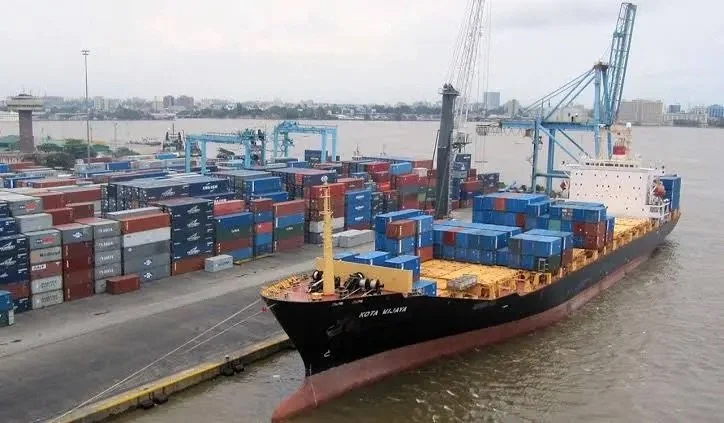
Nigeria Retains One of World’s Lowest Petrol Prices Despite Middle East Crisis
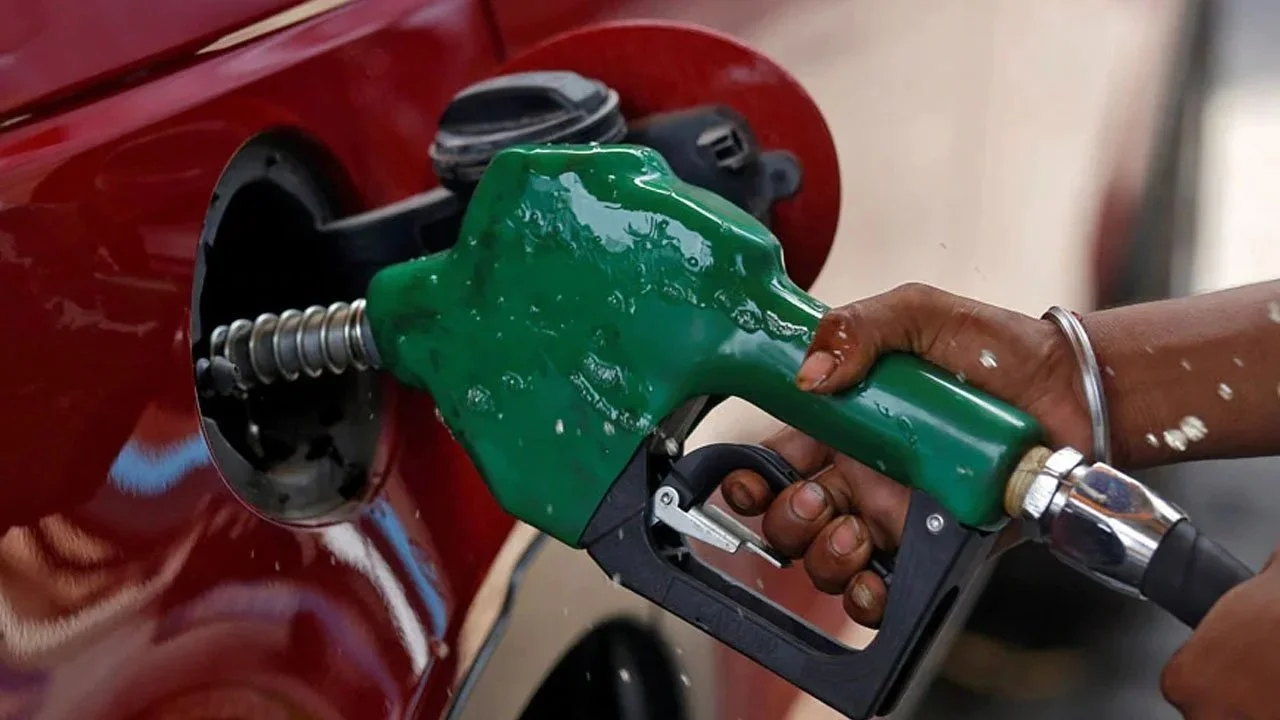
Middle East Crisis Drives Global Surge, Nigeria Still Maintains Low Pump Prices
Nigeria continues to maintain some of the lowest petrol prices globally despite sharp increases triggered by the ongoing Middle East crisis. Current data shows that domestic fuel prices remain significantly below the global average, supported by local refining capacity and market interventions.
Nigeria’s Petrol Prices Remain Below Global Average
According to data from GlobalPetrolPrices.com, petrol in Nigeria currently averages $0.88 (₦1,191.39) per litre, compared to the global average of $1.32 (₦1,787.08).
/ You Might Also Like /



This places Nigeria among a limited group of countries where petrol prices remain below the $1 per litre threshold, even as global markets experience significant volatility.
Comparatively:
United States: $1.075 per litre
India: $1.095 per litre
South Africa: $1.189 per litre
Prices are considerably higher in advanced economies, with countries such as the United Kingdom, France, and Germany recording significantly elevated pump prices.
Global Oil Market Disruptions Driving Price Surge
The relative stability in Nigeria contrasts sharply with global trends, where fuel prices have surged due to geopolitical tensions involving Iran, the United States, and Israel.
The conflict has disrupted supply chains, particularly through the Strait of Hormuz a critical route for about 20 percent of global oil flows triggering sharp increases in crude prices and refined fuel costs worldwide.
Recent reports indicate that crude oil prices have exceeded $100 per barrel, with further upside risk if disruptions persist.
As a result, several countries are experiencing fuel shortages, rationing, and rising inflationary pressures linked to energy costs.
Role of Domestic Refining in Price Stability
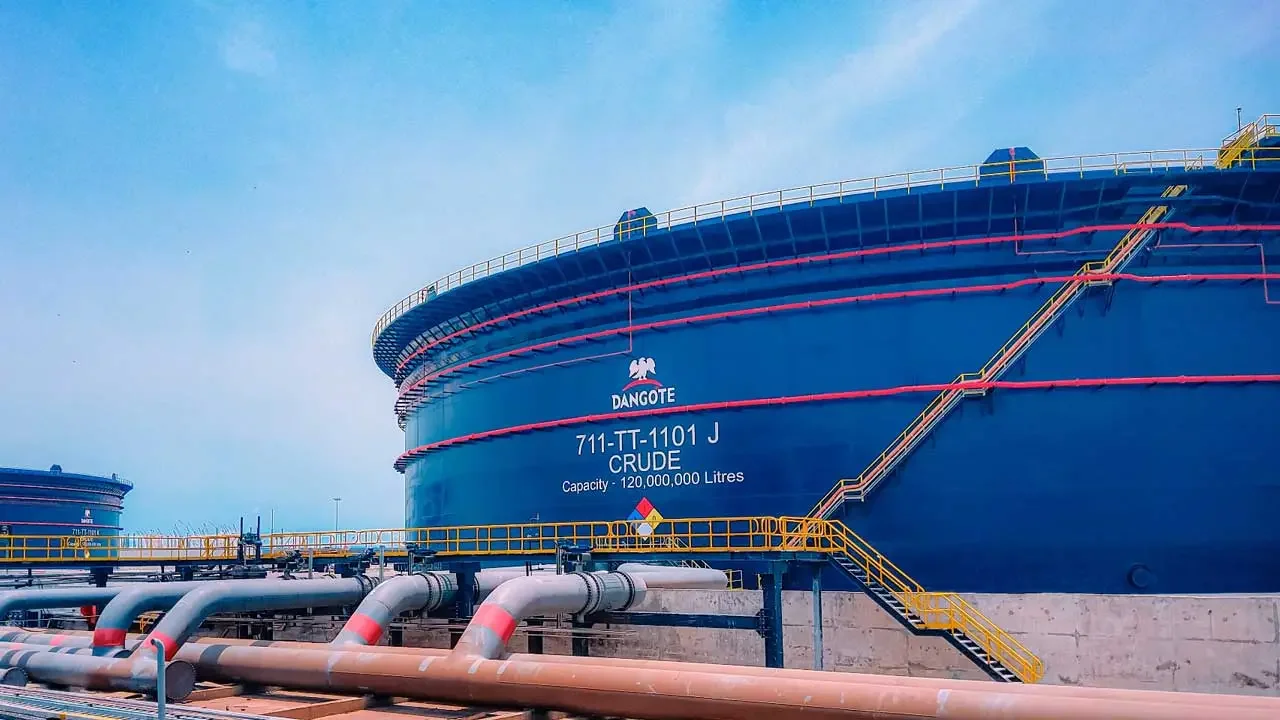
Analysts attribute Nigeria’s relative price advantage to the growing impact of the Dangote Petroleum Refinery, which has helped cushion domestic supply shocks.
The refinery’s ability to supply refined products locally reduces dependence on imports and mitigates the full transmission of global price increases to domestic consumers.
This stabilising effect has become increasingly important as international supply chains tighten and logistics costs rise.
Regional and Continental Price Comparison
Nigeria also compares favourably within West Africa, where neighbouring countries report higher fuel prices:
Togo: $1.192 per litre
Benin: $1.218 per litre
Ghana: $1.240 per litre
Cameroon: $1.478 per litre
However, within Africa’s oil-producing economies, Nigeria’s prices remain higher than some peers:
Egypt: $0.45 per litre
Algeria: $0.35 per litre
Angola: $0.35 per litre
Libya: $0.023 per litre
This disparity reflects differences in subsidy regimes, production structures, and domestic refining strategies.
Why Nigeria’s Prices Are Not the Lowest
Despite being a major crude oil producer, Nigeria does not have the lowest fuel prices globally.
One key factor is that local refineries, including the Dangote facility, still rely partly on crude purchased at international market rates. This exposes domestic pricing to global cost dynamics.
In contrast, countries with significantly lower prices often maintain extensive subsidy systems or fully regulated pricing mechanisms.
Policy and Economic Implications
The persistence of relatively low petrol prices has both economic and policy implications:
Inflation Management: Lower fuel costs help moderate transportation and logistics expenses
Fiscal Trade-offs: Maintaining lower prices may limit government revenue gains from high global oil prices
Energy Security: Local refining capacity strengthens resilience against external shocks
However, analysts note that sustained global price increases could still exert upward pressure on domestic fuel costs over time.
Nigeria’s ability to maintain petrol prices below global averages amid a major geopolitical energy shock highlights the growing importance of domestic refining capacity and market reforms.
While global oil markets remain volatile, the country’s relative price stability provides short-term relief for consumers and businesses. Sustaining this advantage will depend on continued improvements in refining capacity, supply chain efficiency, and policy consistency in the downstream sector.
READ MORE