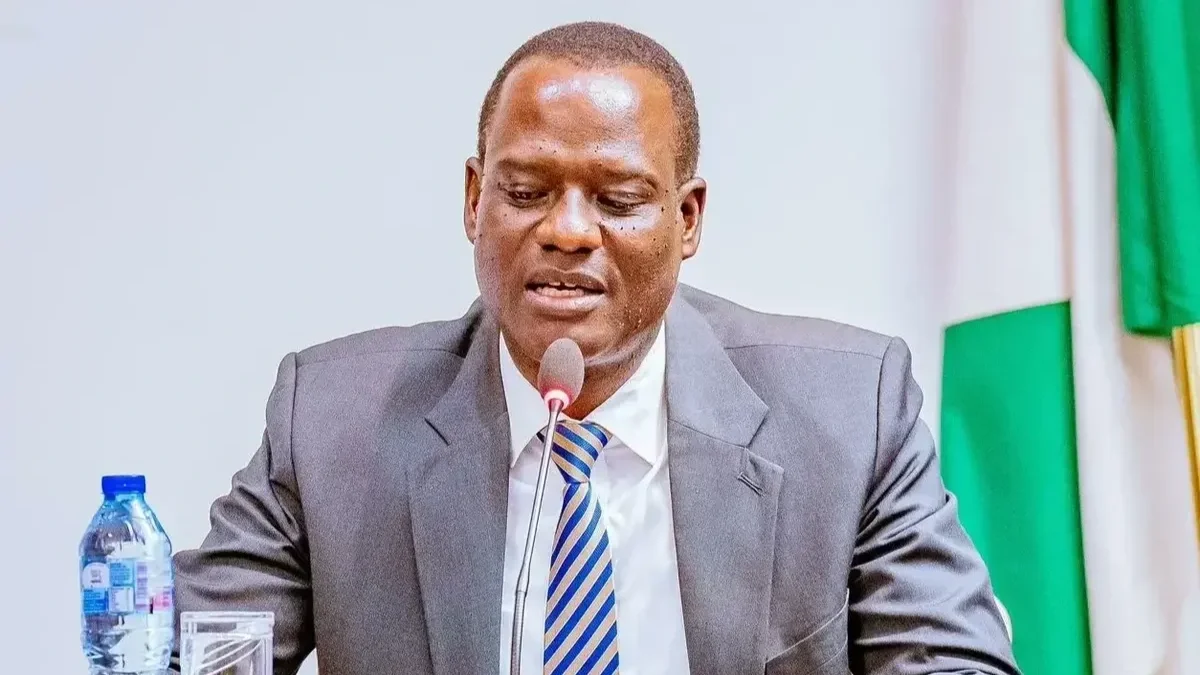
Finance Minister Taiwo Oyedele has denied reports that the Federal Government plans to introduce a new petrol tax
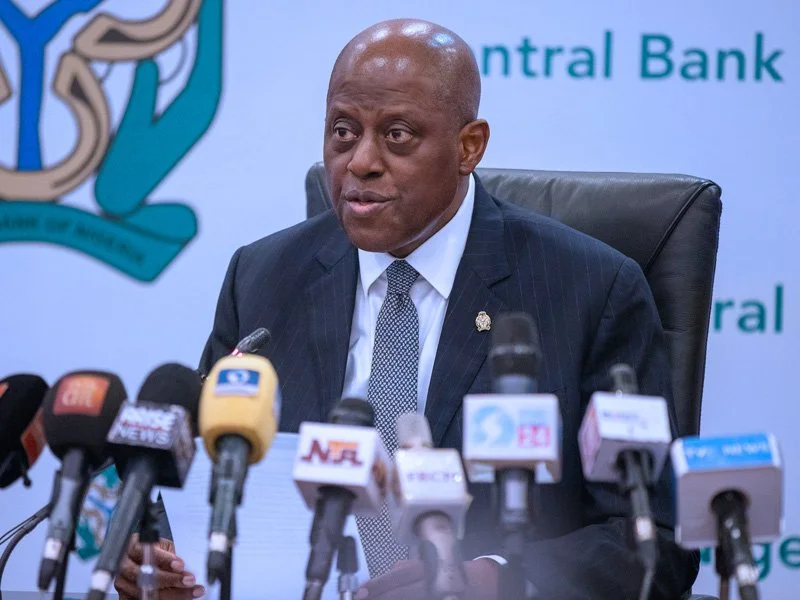
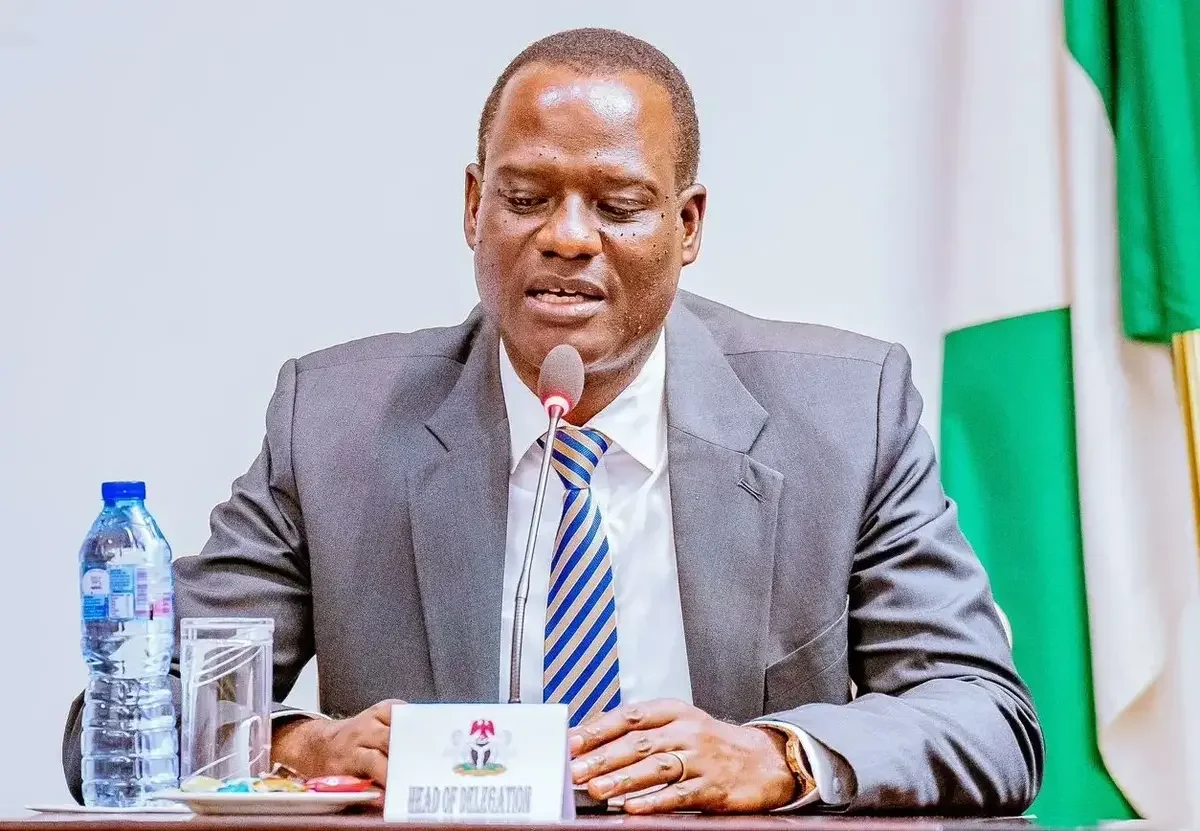
Nigeria’s Minister of Finance and Coordinating Minister of the Economy, Taiwo Oyedele, has denied reports that the Federal Government plans to introduce a new tax on petrol when economic conditions improve, describing the reports as a misrepresentation of his remarks during an interview with Arise News.
/ You Might Also Like /




In a statement posted on his official X account on Tuesday, 20 October 2026, Oyedele insisted that a fuel tax was not under consideration at this time. He argued that imposing an additional tax following the removal of the petrol subsidy would place further pressure on Nigerians already facing high fuel prices and rising living costs.
Oyedele Rejects Reports of Planned Fuel Tax
The clarification followed reports suggesting that the government would introduce a fuel tax once the economy stabilised and household incomes improved sufficiently to accommodate the additional cost.
Oyedele said those reports misrepresented his comments and urged Nigerians to disregard the headlines.
The minister maintained that the government would not introduce the proposed levy at a time when consumers were still adjusting to the effects of petrol subsidy removal. He described such a move under current economic conditions as insensitive.
His response has renewed attention on the distinction between the government's longer-term discussions about taxation and any immediate decision to impose additional charges on petroleum products.
What Oyedele Said About Fuel Taxation
During his interview with Arise News on the sidelines of the 2026 International Monetary Fund and World Bank annual meetings in Bangkok, Thailand, Oyedele discussed fuel taxation in the context of broader economic reforms.
He noted that taxes account for between 20% and 80% of petrol pump prices in some countries, while several African countries impose multiple taxes on petroleum products.
The minister argued that introducing a fuel tax while petrol remained subsidised would have been counterproductive because the government would effectively bear the cost of the tax through the subsidy arrangement.
He also stressed the importance of improving household incomes and ensuring that earnings grow faster than prices, rather than relying solely on measures to suppress prices.
His subsequent clarification focused on the timing of any potential tax measure, insisting that reports suggesting an imminent plan did not reflect the government's current position.
Fuel Prices Remain a Concern for Households and Businesses
The controversy comes amid continued concerns about the effect of petrol prices on household spending, transportation costs and business operations.
Since the removal of the petrol subsidy in May 2023, fuel costs have become a significant consideration for transport operators, manufacturers, retailers and other businesses that depend on petrol-powered vehicles and equipment.
Higher fuel costs can increase the expense of moving goods, delivering services and operating businesses. These pressures can also feed into the prices consumers pay for food, construction materials and other essential goods.
For the housing and real estate sector, fuel prices matter because they influence the cost of transporting building materials, moving construction equipment and travelling to development sites. Sustained increases in these expenses can raise development costs and add to the financial pressure on property developers and homebuyers.
Oyedele's denial therefore provides relevant clarification for businesses and investors assessing the potential impact of additional petroleum-related taxes on operating expenses and consumer purchasing power.
Government's Earlier Position on Fuel Taxes
The Federal Government had also ruled out introducing new taxes on petroleum products and telecommunications services in June 2026 following recommendations contained in an International Monetary Fund report.
At the time, the government explained that recommendations from international institutions did not automatically become official policy. It said any tax changes would have to follow established legal and institutional procedures.
The earlier clarification also distinguished policy proposals from approved measures, emphasising that the government would communicate any changes through official channels.
Oyedele's latest statement is consistent with the government's stated position that reports about proposed taxes should not be treated as confirmed policy without an official decision.
Outlook
Oyedele has rejected claims that the Federal Government plans to introduce a new petrol tax under the circumstances described in recent reports. His clarification comes as households and businesses continue to manage the effects of higher fuel prices following subsidy removal.
For transport operators, property developers, investors and other businesses, the immediate concern remains the cost of fuel and its influence on operating expenses. Any future change in petroleum taxation would need to be assessed against its potential effects on prices, household incomes and business activity.
For now, the minister's statement rejects the reported plan, while leaving the broader debate about fuel taxation and Nigeria's long-term fiscal policy separate from any immediate decision to introduce a new levy.
READ MORE