NIESV Urges Federal Government to Expand Affordable Housing Amid Rising Rents
Estate Surveyors Call for Increased Housing Supply to Address Nigeria’s Rent Crisis
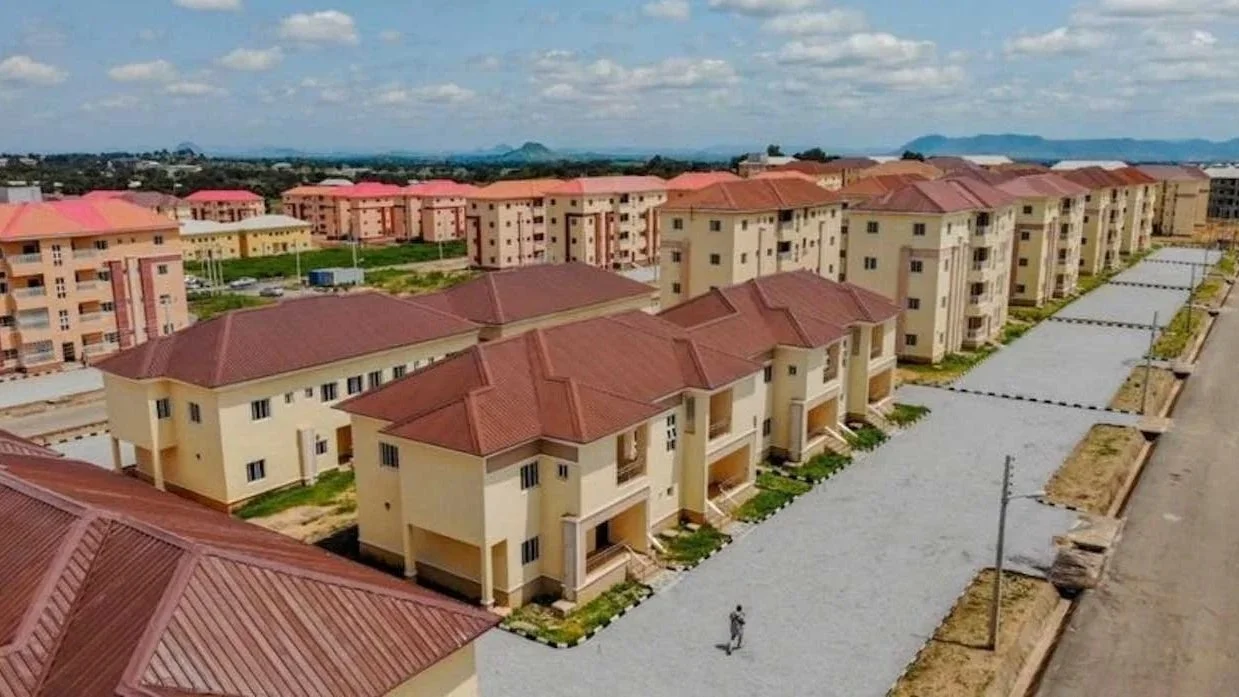
The Nigerian Institution of Estate Surveyors and Valuers (NIESV) has called on the Federal Government to increase investment in affordable housing to address rising rental costs across the country. The institution stated that expanding housing supply remains the most sustainable solution to Nigeria’s growing housing affordability crisis.
/ You Might Also Like /



Housing Supply Identified as Key Market Challenge
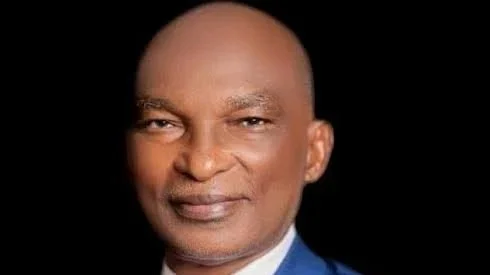
Speaking ahead of the 2026 International Valuation Day in Abuja, NIESV President and Chairman of Council, ESV Bature Ali Muhammad, said persistent rent increases reflect a widening gap between housing demand and available supply. According to him, increasing the stock of affordable homes would help stabilise rental prices naturally rather than relying on direct rent control measures.
The institution argued that Nigeria’s rapid urbanisation, population growth, and rising construction costs continue to place significant pressure on residential markets, particularly in major urban centres such as Lagos, Abuja, and Port Harcourt.
Concerns Over Rent Control Policies
NIESV maintained that administrative rent controls could distort the property market and discourage private sector investment in housing delivery. Instead, the organisation advocated policies that stimulate residential development through improved financing, lower borrowing costs, and infrastructure investment.
Industry stakeholders noted that high interest rates, escalating building material costs, and limited access to mortgage financing remain major barriers to affordable housing development in Nigeria.
Housing Deficit Continues to Pressure Urban Markets
Nigeria’s housing deficit remains one of the largest in Africa, with experts estimating that millions of additional housing units are required to meet current demand. The shortage has intensified competition for available properties, contributing to sustained rent increases across urban markets.
NIESV also highlighted the impact of inadequate infrastructure and inefficient land administration systems on housing delivery. Delays in land registration, planning approvals, and utility provision continue to increase development costs for private investors.
Call for Public-Private Collaboration
The institution urged stronger collaboration between government agencies, developers, financial institutions, and professional bodies to improve housing delivery nationwide. According to NIESV, expanding access to affordable financing and encouraging public-private partnerships could accelerate residential construction and improve market accessibility for low- and middle-income households.
The group also stressed the importance of engaging qualified estate surveyors and valuers to improve transparency and professionalism within the property sector.
Outlook
NIESV’s position reflects growing concern over housing affordability and rental inflation in Nigeria’s major cities. As urban populations continue to expand, pressure on residential markets is expected to remain elevated without significant increases in housing supply.
For policymakers, the organisation’s recommendations reinforce the need for long-term housing reforms focused on affordability, infrastructure expansion, and private sector participation. Sustained investment in affordable housing could play a critical role in stabilising rental markets while supporting broader economic growth and urban development objectives.
READ MORE