Nigeria’s Manufacturing Sector Generates ₦881.29 Billion in Company Income Tax in 2025
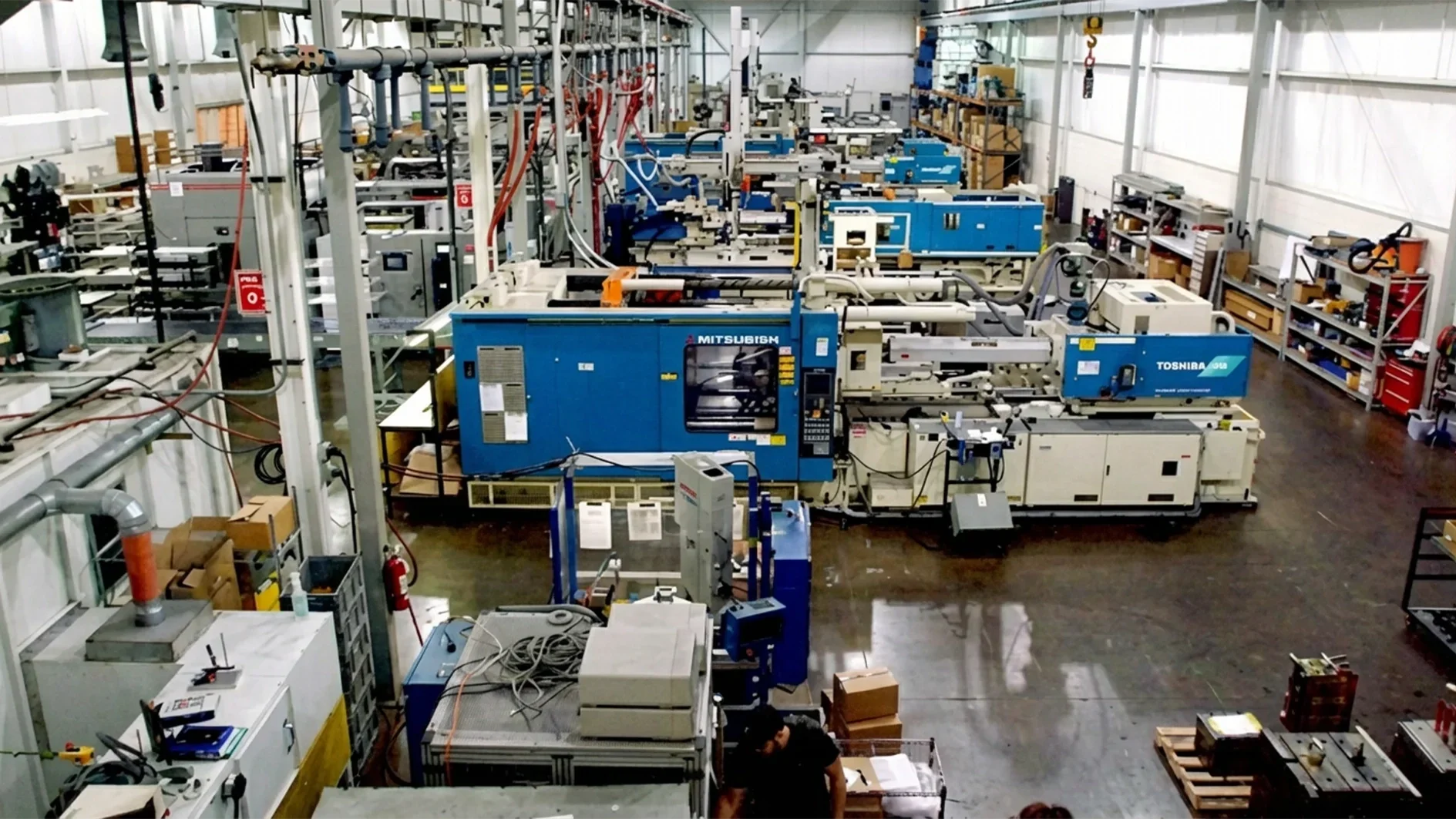
Manufacturing Sector Records Strong Tax Growth Despite Economic Pressures
Nigeria’s manufacturing sector contributed a total of ₦881.29 billion in Company Income Tax (CIT) in 2025, marking a significant increase from ₦663.46 billion recorded in 2024. The data highlights the sector’s expanding role in Nigeria’s fiscal landscape and its growing importance as a driver of non-oil revenue.
Strong Year-on-Year Growth in Tax Contribution
The increase in tax contribution reflects improved corporate earnings and enhanced tax compliance within the manufacturing sector. The year-on-year growth underscores the sector’s resilience despite macroeconomic pressures, including inflation, exchange rate volatility, and rising production costs.
/ You Might Also Like /




This performance aligns with broader fiscal reforms aimed at strengthening revenue mobilisation and reducing dependence on oil-derived income.
Quarterly Performance Shows Volatility
Despite strong annual performance, the sector’s tax contributions varied significantly across quarters in 2025:
Q1: ₦107.90 billion
Q2: ₦360.20 billion (peak performance)
Q3: ₦271.34 billion
Q4: ₦141.84 billion
The sharp decline in the fourth quarter mirrors a broader contraction in overall Company Income Tax collections, which fell to ₦1.49 trillion from ₦2.96 trillion in Q3 a 49.81% drop quarter-on-quarter.
This trend indicates that while underlying growth remains strong, the sector is still sensitive to short-term economic fluctuations.
Role in Nigeria’s Non-Oil Economy
The manufacturing sector continues to play a central role in Nigeria’s economic diversification strategy. In 2025, it accounted for 8.05% of real GDP, slightly down from 8.24% in 2024.
Key sub-sectors—including consumer goods, cement, and industrial materials have driven output and revenue growth, reinforcing manufacturing as a critical pillar of the non-oil economy.
For policymakers, strengthening manufacturing capacity remains essential to achieving sustainable economic growth, improving export potential, and stabilising government revenue streams.
Broader Corporate Tax Context
Total Company Income Tax collections for 2025 stood at ₦9.218 trillion, reflecting the scale of corporate contributions to government revenue.
The data also shows a relatively balanced contribution between domestic and foreign companies, particularly in Q4, where domestic CIT accounted for ₦819.83 billion and foreign CIT contributed ₦668.21 billion.
This balance highlights the importance of both local enterprises and multinational corporations in sustaining Nigeria’s tax base.
Structural Challenges Persist
Despite its strong performance, the manufacturing sector continues to face structural constraints. High energy costs, infrastructure deficits, and foreign exchange challenges remain key barriers to growth.
Recent data also indicates a slowdown in sectoral expansion entering 2026, with rising input costs and weak demand affecting subsectors such as chemicals, plastics, and pharmaceuticals.
Addressing these challenges will be critical to sustaining growth and enhancing the sector’s contribution to both GDP and tax revenue.
Policy Implications and Outlook
For investors and policymakers, the sector’s ₦881.29 billion tax contribution signals both opportunity and risk. While strong revenue generation reflects improving industrial capacity, volatility in quarterly performance highlights underlying economic fragility.
Ongoing fiscal reforms including new tax legislation introduced in 2025 are expected to improve compliance, streamline administration, and enhance revenue collection efficiency.
Nigeria’s manufacturing sector has reinforced its position as a key contributor to government revenue, delivering ₦881.29 billion in Company Income Tax in 2025. The strong year-on-year growth reflects resilience and structural importance within the non-oil economy.
However, sustaining this momentum will require targeted policy interventions to address cost pressures, improve infrastructure, and stabilise the operating environment. The sector’s long-term contribution to fiscal stability will depend on its ability to scale production, enhance competitiveness, and adapt to evolving economic conditions.
READ MORE