CBN Dismisses Polaris Bank Liquidation Claims, Assures System Stability
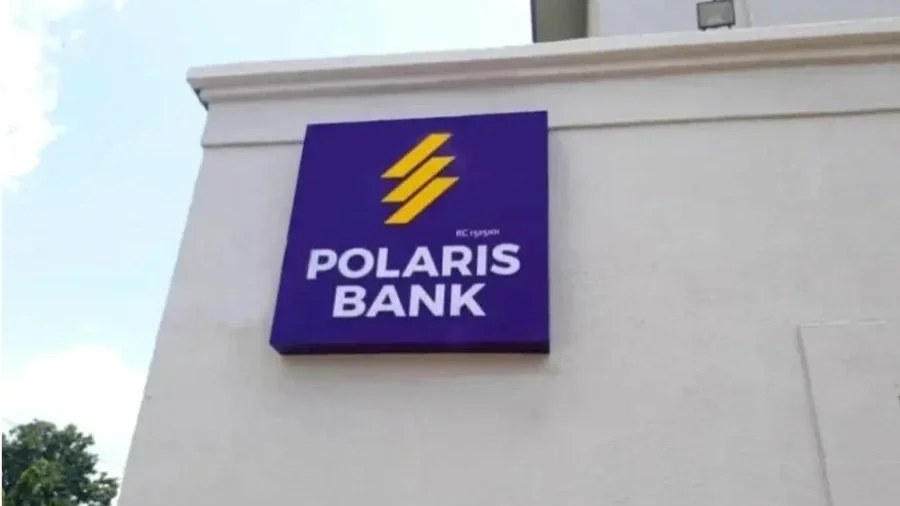
Polaris Bank Not Under Liquidation, CBN Clarifies Amid Viral Claims
The Central Bank of Nigeria has dismissed circulating reports that Polaris Bank is undergoing liquidation, describing the claims as false and misleading. The apex bank reaffirmed that Nigeria’s banking system remains stable, secure, and fully operational, addressing concerns triggered by viral social media posts.
Clarification on Viral Claims
The clarification follows widespread reports alleging that Polaris Bank had failed to meet recapitalisation requirements and was set to be liquidated under the supervision of the Nigeria Deposit Insurance Corporation (NDIC).
/ You Might Also Like /




not reflect the current state of the banking sector. The regulator emphasised that all licensed banks, including Polaris Bank, remain operational without disruption.
The viral reports also suggested a potential acquisition bid by industrialist Razaq Okoya. Authorities dismissed this narrative alongside the liquidation claims, reinforcing the need for reliance on verified sources.
Banking Sector Strength and Recapitalisation Progress
The CBN’s response comes against the backdrop of its recent banking sector recapitalisation programme. According to the regulator, 33 banks successfully met the revised minimum capital requirements, raising approximately ₦4.65 trillion over a 24-month period.
This capital injection has strengthened balance sheets across the sector, improving capital adequacy ratios above global Basel benchmarks and enhancing resilience against economic shocks.
The apex bank noted that while a small number of institutions remain subject to regulatory or judicial processes, these cases are being managed within established supervisory frameworks and do not pose systemic risks.
Addressing Misinformation Risks
The incident highlights the growing impact of misinformation on financial markets. False reports about bank stability can trigger panic withdrawals, disrupt market confidence, and create unnecessary systemic risks.
By promptly debunking the claims, the Central Bank of Nigeria aims to reinforce public trust and maintain stability within the financial system. Polaris Bank also issued its own clarification, urging customers and stakeholders to disregard the rumours and rely on official communication channels.
Governance Context and Sector Oversight
Polaris Bank has undergone regulatory interventions in recent years, including leadership restructuring as part of broader efforts to strengthen governance across the banking sector. These actions reflect the CBN’s proactive approach to supervision and risk management.
Such oversight mechanisms are critical in maintaining financial stability, particularly in emerging markets where banking systems play a central role in economic activity and capital mobilisation.
Implications for Investors and the Financial System
For investors and policymakers, the episode underscores the importance of transparency and timely communication in maintaining confidence in the financial system. Strong regulatory oversight, combined with improved capitalisation, positions Nigeria’s banking sector to support economic growth and absorb potential shocks.
However, the spread of unverified information remains a key risk factor. Strengthening information integrity and public awareness will be essential to safeguarding financial stability.
The CBN’s firm rejection of Polaris Bank liquidation claims reinforces the stability of Nigeria’s banking sector amid ongoing reforms. With strengthened capital bases and active regulatory oversight, the system remains resilient.
Maintaining this stability will depend on continued policy consistency, effective supervision, and proactive management of misinformation risks in an increasingly digital information environment.
READ MORE