Nigeria Raises Flood Risk Alert as Heavy Rains Threaten Communities
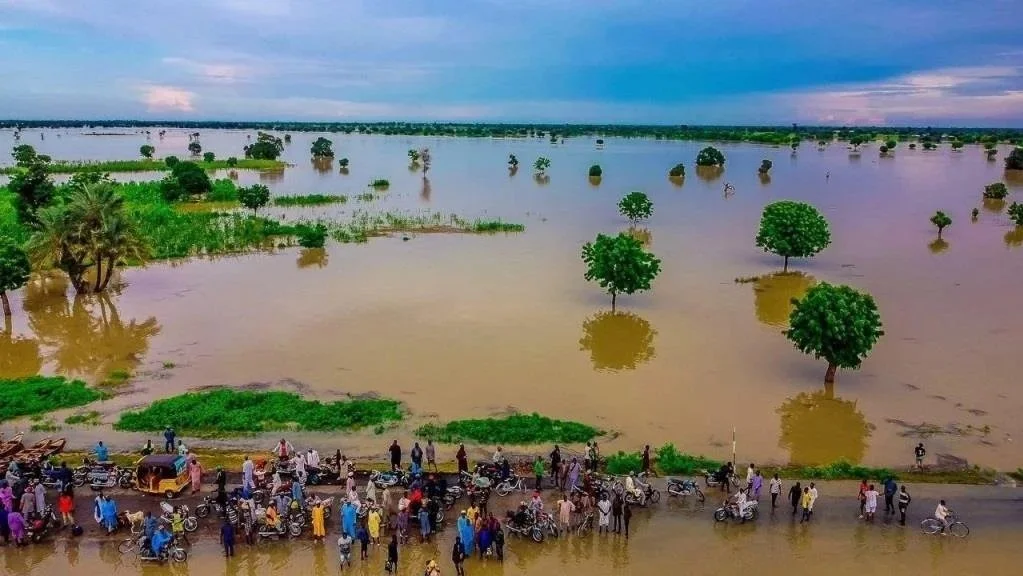
The Federal Government has issued a flood alert for 10 states following forecasts of heavy rainfall across parts of Nigeria. The warning highlights increased risks to communities, infrastructure, and housing, as authorities urge proactive measures to mitigate potential damage during the peak of the rainy season.
States Identified as High Risk
According to relevant government agencies, the alert targets states expected to experience intense rainfall that could trigger flooding in low-lying and flood-prone areas. The warning forms part of ongoing seasonal risk assessments designed to improve preparedness and reduce the impact of climate-related disasters.
/ You Might Also Like /




Flooding remains a recurring challenge in Nigeria, particularly during the rainy season, when inadequate drainage systems and rapid urbanisation exacerbate vulnerability.
Implications for Housing and Urban Infrastructure
The flood alert has significant implications for Nigeria’s housing sector, especially in densely populated urban centres and informal settlements. Poor drainage infrastructure, unregulated construction, and encroachment on floodplains increase exposure to flood risks.
For policymakers and urban planners, the warning reinforces the need for improved land-use regulation, drainage investment, and resilient housing design. Flooding not only damages property but also disrupts livelihoods, displaces households, and places additional pressure on public resources.
Economic and Social Impact
Flood events can have far-reaching economic consequences, including damage to roads, agricultural losses, and disruption of supply chains. In previous years, flooding has affected thousands of households and resulted in significant financial losses across multiple sectors.
For investors, particularly in real estate and infrastructure, flood risk is an increasingly important consideration in project planning and asset valuation. Climate resilience is becoming a critical factor in long-term investment decisions.
Government Preparedness and Response Measures
Authorities have advised state governments and relevant agencies to activate emergency response plans, clear drainage systems, and sensitise communities in high-risk areas. Early warning systems and public awareness campaigns are also being emphasised to reduce casualties and property damage.
The federal government continues to coordinate with disaster management agencies to monitor rainfall patterns and provide timely updates. Strengthening institutional capacity and improving inter-agency collaboration remain central to effective flood response.
Climate Risk and Long-Term Planning
The alert reflects broader climate trends, with increasing variability in rainfall patterns contributing to more frequent and severe flooding events. Experts note that climate change is intensifying these risks, requiring long-term adaptation strategies.
Investments in climate-resilient infrastructure, improved urban planning, and sustainable water management systems will be essential to reducing vulnerability over time.
The Federal Government’s flood alert for 10 states underscores the growing impact of climate-related risks on Nigeria’s housing and infrastructure systems. While early warnings provide an opportunity for preparedness, sustained investment in resilience and planning will be critical to mitigating future risks.
For stakeholders across the public and private sectors, the development highlights the urgent need to integrate climate risk considerations into policy, planning, and investment decisions.
READ MORE