House of Representatives Erupts Over Motion to Summon Tinubu on Budget Implementation
House of Reps Divided Over Bid to Summon Tinubu on Budget Execution
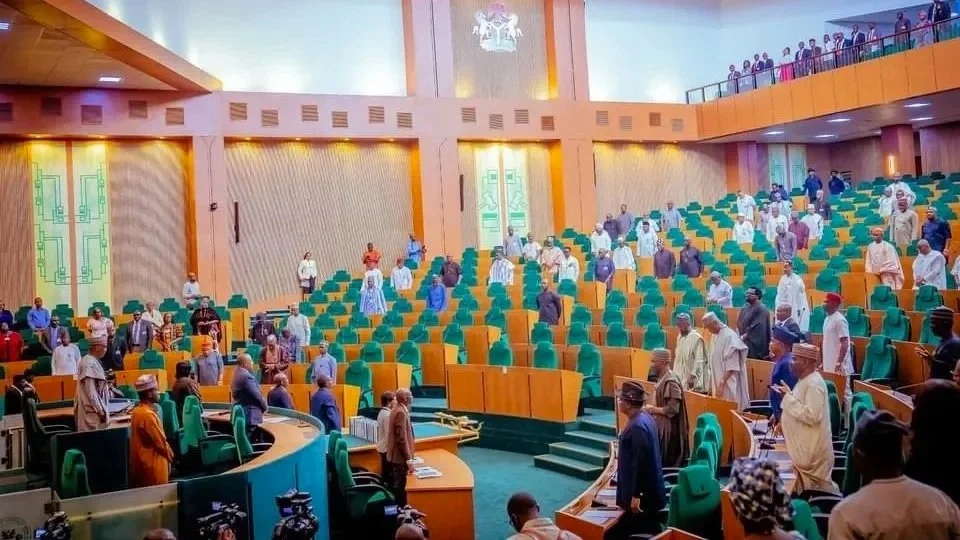
Proceedings in the House of Representatives turned rowdy after lawmakers clashed over a motion seeking to summon President Bola Tinubu to explain alleged delays in funding and implementing approved federal budgets and constituency projects. The disagreement, which cut across party lines, disrupted plenary as members debated whether the President should personally appear before the National Assembly to address concerns over budget execution.
/ You Might Also Like /




The motion was prompted by concerns over the implementation of the 2024, 2025 and 2026 Appropriation Acts and the impact of recent directives affecting the release of funds for constituency projects. While some lawmakers argued that inviting the President was necessary to strengthen legislative oversight, others maintained that such matters should be handled through the relevant ministers and government agencies.
Motion Sparks Heated Debate
The motion, sponsored during plenary, questioned the pace of budget implementation and the release of funds for constituency projects approved by the National Assembly.
Supporters argued that the legislature has a constitutional responsibility to hold the executive accountable for implementing appropriated funds. They expressed concern that delays in releasing funds could affect infrastructure projects and other government programmes intended to benefit communities across the country.
However, opposing lawmakers insisted that summoning the President was unnecessary, arguing that ministers, heads of ministries, departments and agencies (MDAs), and other relevant officials are directly responsible for implementing government budgets and should provide explanations to the House instead.
Plenary Descends Into Rowdy Session
The differing views triggered heated exchanges among lawmakers, with members shouting across the chamber and challenging the procedural handling of the motion.
The tension temporarily disrupted legislative proceedings as lawmakers debated the constitutional scope of the National Assembly's oversight powers and the appropriate channel for seeking explanations on budget implementation.
Focus on Budget Execution
At the centre of the debate were concerns that delays in releasing funds could slow the execution of constituency projects and other capital programmes captured in recent federal budgets.
Lawmakers backing the motion argued that timely budget implementation is critical to delivering infrastructure, housing, healthcare, education and other public projects approved by the National Assembly. They maintained that effective oversight is necessary to ensure appropriated funds translate into completed projects across the country.
Implications for Infrastructure and Housing
For the housing and infrastructure sectors, delays in budget implementation could affect the delivery of federally funded projects, including roads, housing schemes, public buildings and other capital investments.
Investors and contractors typically monitor budget execution closely, as the timely release of funds influences project delivery schedules, contract execution and broader economic activity. Efficient implementation of approved budgets also remains essential for sustaining infrastructure development and supporting housing supply.
Outlook
The debate underscores the continuing focus on accountability and budget performance within the National Assembly. As lawmakers intensify oversight of federal spending, attention is expected to remain on the pace of budget implementation and the delivery of infrastructure and development projects funded through annual appropriations.
READ MORE