Six Decades On, Affordable Housing Remains a Major Challenge for Nigeria
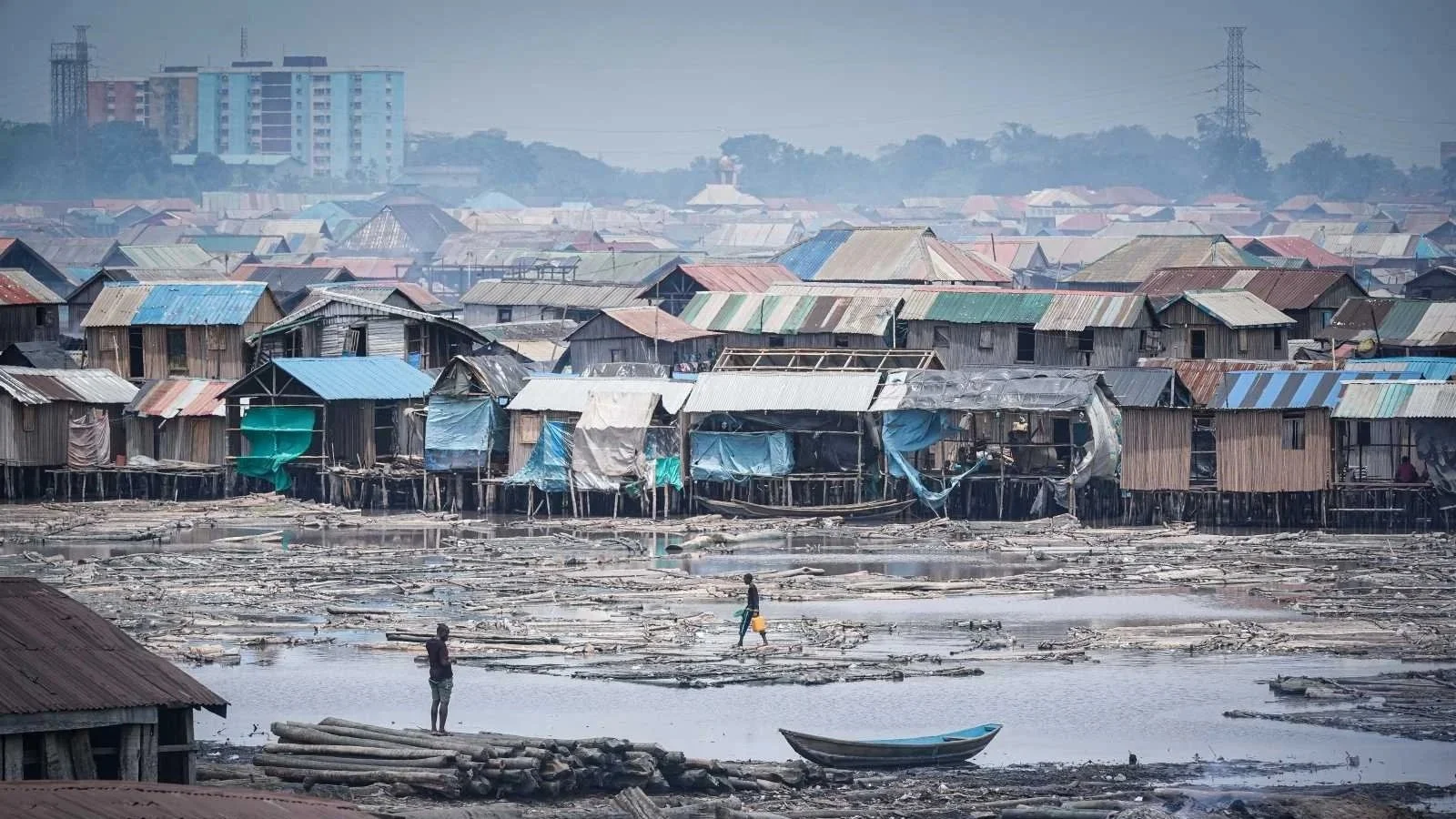
Nigeria’s housing and real estate sector has expanded significantly since independence, but the growth has not translated into sufficient affordable and adequately serviced homes for the country’s rapidly urbanising population.
The latest assessment of the sector highlights a persistent mismatch between housing demand and the supply that households can realistically afford. Nigeria’s official quantitative housing deficit stands at 14.925 million units, according to the National Housing Data Technical Committee, while a further 15.2 million existing homes have been classified as structurally inadequate or substandard.
/ You Might Also Like /




The figures underline the scale of both the housing supply and housing-quality challenges facing the country, even as private developers, financial institutions and government agencies continue to expand their roles in the sector.
Housing Market Has Expanded Since Independence
Nigeria’s property sector has undergone significant structural changes since 1960.
Housing delivery initially relied heavily on government programmes, regional authorities, employers and housing corporations. The oil boom of the 1970s accelerated urban development and construction activity, while the establishment of the Federal Housing Authority in 1973 created a national institutional framework for public housing delivery.
Housing finance also became more institutionalised with the evolution of the Federal Mortgage Bank of Nigeria and the subsequent establishment of the National Housing Fund.
Over time, however, private developers became increasingly important to housing delivery as urban populations expanded and demand for residential and commercial property increased.
The result is a considerably more developed property industry, encompassing residential estates, commercial buildings, retail centres, offices, industrial facilities, mortgage institutions, property management companies and professional services.
Yet the expansion of the real estate industry has not eliminated the underlying affordability problem.
Official Housing Deficit Stands at 14.925 Million Units
The National Housing Data Technical Committee's 2026 assessment places Nigeria's quantitative housing deficit at 14.925 million units.
The figure represents the estimated number of additional housing units required, rather than the total number of Nigerians living in poor-quality accommodation. A separate government assessment identified 15.2 million existing homes as structurally inadequate or substandard.
This distinction is important because Nigeria's housing challenge involves both quantity and quality.
Building additional homes alone will not fully address the problem if a significant portion of the existing housing stock lacks adequate structural quality, infrastructure or basic services.
High Construction Costs Continue to Pressure Affordability
Construction costs remain one of the central constraints on affordable housing delivery.
Land acquisition, building materials, labour, transportation, infrastructure and financing all contribute to the final cost of a housing project. Rising input costs can force developers to increase selling prices, reduce project specifications, delay construction or shift towards higher-income segments where margins are more attractive.
This creates a difficult market dynamic.
Developers need sufficient returns to justify construction and financing costs, while the majority of households require homes priced within incomes that have not increased at the same pace as property and construction costs.
The result can be a growing supply of properties that technically adds to housing stock but remains inaccessible to the households most affected by the housing shortage.
Mortgage Finance Remains Central to the Affordability Question
Access to long-term mortgage finance is another major factor determining whether households can convert housing demand into effective purchasing power.
Nigeria's mortgage market remains relatively shallow compared with the scale of its housing needs, making many households dependent on savings, family resources, informal financing or direct cash payments.
The Federal Mortgage Bank of Nigeria has continued to pursue reforms aimed at improving the infrastructure supporting housing finance.
In July 2026, FMBN said its National Mortgage Registry had reached the deployment stage. The digital platform is designed to serve as a central repository for mortgage transaction records and improve transparency, information access and risk management within the mortgage market.
A more transparent mortgage information system could support lenders and other market participants, although broader affordability will also depend on lending costs, household incomes, loan tenors and the availability of suitable housing stock.
Land Administration Remains a Structural Constraint
Access to affordable land also affects the economics of housing development.
Land acquisition and title processes can involve significant costs and administrative delays, particularly in major urban markets where demand has pushed land values higher.
For developers, the cost of land is ultimately reflected in project economics. Where land, approvals and infrastructure account for a large proportion of development costs, delivering housing at lower price points becomes more difficult.
Improving land administration and increasing access to serviced land therefore remains an important component of any strategy aimed at expanding affordable housing.
Urbanisation Continues to Increase Housing Demand
Nigeria's rapidly expanding urban centres continue to place pressure on housing supply.
Lagos, Abuja and Port Harcourt have experienced sustained demand for residential accommodation as economic activity and migration increase.
The pressure is particularly visible in major cities, where high land values and infrastructure constraints push new development towards peripheral locations.
However, housing on the urban fringe can introduce another affordability challenge. A cheaper home may still impose substantial costs on households if residents face long commutes, inadequate public transport or limited access to employment and essential services.
Affordable housing therefore involves more than the price of the building itself. Location, transport, infrastructure, utilities and access to employment all influence the actual cost of living in a property.
Housing Supply Needs to Match Different Income Groups
Nigeria's housing market also faces a supply-mismatch problem.
Private development has expanded significantly, but much of the formal market serves households with relatively stronger purchasing power.
This creates a gap between the types of properties that developers can profitably deliver and the homes that lower- and middle-income households can afford.
A sustainable housing market requires a broader range of products, including rental housing, entry-level ownership schemes, incremental housing, cooperative models, rent-to-own arrangements and appropriately structured mortgage products.
The objective is not simply to increase the number of properties built, but to expand the number of homes that households across different income groups can realistically access.
Construction Remains an Important Part of the Economy
Despite the challenges, housing and construction remain significant components of Nigeria's economy.
The National Bureau of Statistics reported that construction contributed 4.85% of Nigeria's real GDP in the first quarter of 2026, compared with 4.74% in the corresponding quarter of 2025.
The sector also supports a wide network of industries, including cement and other building materials, engineering, architecture, surveying, mortgage finance, logistics and property management.
This means that addressing the housing shortage has implications beyond shelter. Increased housing delivery can generate construction activity, employment, demand for building materials and infrastructure investment.
Policy and Private Investment Will Need to Work Together
Nigeria's housing challenge has increasingly shifted from a model dominated by direct government construction towards a system in which private developers and financial institutions play a larger role.
Government's role remains important in providing land, infrastructure, regulation, housing data and financing frameworks that can make lower-cost development commercially viable.
Recent reforms have also focused on improving housing data and strengthening regulation of the built environment. FMBN said in July that fragmented housing data and weak regulatory enforcement had undermined effective planning, investor confidence and housing quality.
For private investors, greater certainty around land, approvals, regulation and housing demand can improve the investment case for larger-scale housing projects.
Affordable Housing Requires More Than Building More Homes
The central challenge for Nigeria is therefore not simply the number of houses constructed each year.
The market must also address whether new homes are affordable, properly located, adequately serviced and supported by financing that matches household incomes.
The distinction between the 14.925 million-unit quantitative deficit and the 15.2 million structurally inadequate homes illustrates the complexity of the challenge. Nigeria needs both additional housing supply and improvements to existing housing stock.
Outlook
More than six decades after independence, Nigeria's real estate industry is considerably larger and more sophisticated, but affordable housing remains one of its most persistent structural challenges.
Closing the gap will require coordinated action across land administration, construction costs, infrastructure, mortgage finance, housing data, regulation and private-sector delivery.
For investors and developers, the scale of unmet demand continues to present a substantial long-term housing market opportunity. However, unlocking that opportunity will depend on creating financing and development models capable of delivering homes at price points that match the purchasing power of Nigeria's growing population.
The challenge for the next phase of Nigeria's housing market is therefore not simply to build more properties, but to expand the supply of decent homes that ordinary households can actually afford.
READ MORE