Nigeria’s Economy Grows 4.43% as Inflation Eases and Oil Output Improves
Nigeria’s economy records stronger growth in 2026
Nigeria's economy expanded by 4.43% year-on-year in real terms in the second quarter of 2026, while inflation continued to ease and oil production increased, according to official data and President Bola Tinubu's Independence Day address.
The National Bureau of Statistics (NBS) recorded Q2 GDP growth of 4.43%, up from 3.89% in the first quarter and 4.23% in Q2 2025. First-half growth stood at about 4.16%, compared with 3.68% during the first half of 2025.
/ You Might Also Like /




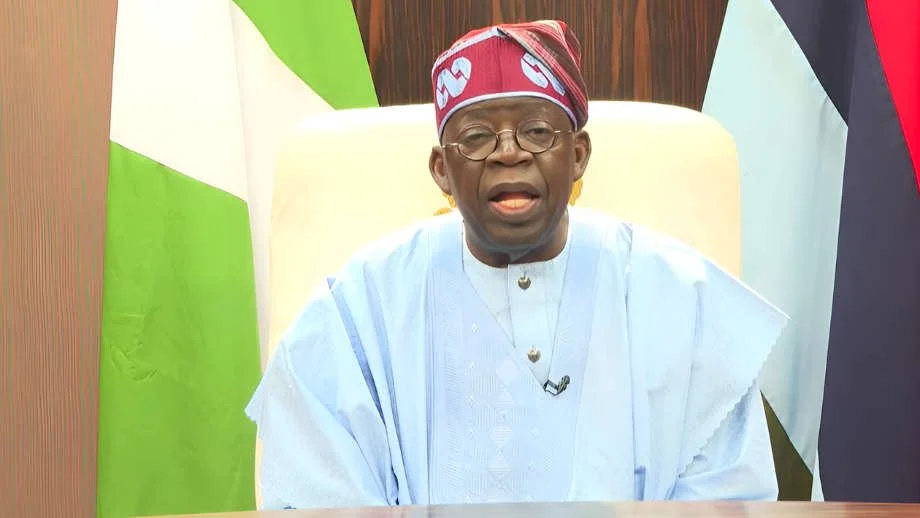
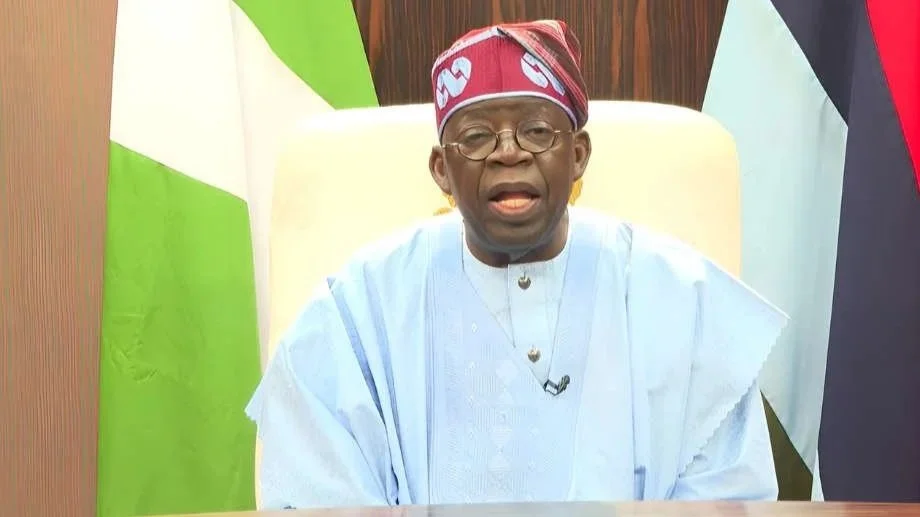
In his October 1 address, Tinubu said the economy had grown by more than 4% in 2026, while inflation had fallen substantially from its peak, foreign reserves had been rebuilt and the foreign-exchange market had stabilised.
Economic Growth Strengthens in Q2
The latest NBS figures show that economic activity strengthened across the first half of 2026.
The 4.43% Q2 expansion represented an improvement from both the preceding quarter and the corresponding period of 2025. The services sector remained the largest component of the economy, accounting for 56.62% of real GDP and recording 4.60% growth.
Agriculture accounted for 26.15% of real GDP and grew by 4.39%, while industry contributed 17.23% and expanded by 3.96%.
The figures show that the recovery remains broad-based, although the pace of expansion differs considerably across sectors.
Oil Production Provides Additional Support
The oil sector recorded a significant improvement during the quarter.
Average crude oil production increased to 1.72 million barrels per day in Q2 2026, compared with 1.55 million bpd in Q1 and 1.68 million bpd in Q2 2025.
The oil sector subsequently grew by 7.31% year-on-year in real terms, compared with 2.57% in the first quarter.
Despite the stronger performance, oil accounted for only 4.16% of real GDP in Q2, while the non-oil economy represented 95.84%.
This distinction is important because Nigeria's current growth story increasingly depends on activity outside the petroleum sector.
Inflation Continues to Ease
The President also highlighted the decline in inflation as one of the changes in the macroeconomic environment.
Central Bank of Nigeria data shows headline inflation at 15.39% in August 2026, down from 15.43% in July and 15.91% in June. Food inflation also eased from 16.89% in July to 16.30% in August.
The moderation represents a substantial change from the much higher inflation levels recorded earlier in the reform period.
However, lower inflation does not mean that prices have returned to previous levels. It means the rate at which prices are increasing has slowed.
That distinction remains important for households, developers and investors dealing with accumulated increases in land, materials, labour, transport and financing costs.
Non-Oil Economy Remains the Main Growth Engine
The non-oil sector grew by 4.31% year-on-year in Q2 and accounted for almost 96% of real GDP.
NBS identified agriculture, information and communication, real estate, trade, financial services, manufacturing and construction among the activities supporting non-oil growth.
For the property market, the performance of the non-oil economy is particularly significant.
Real estate and construction depend heavily on household incomes, business activity, access to credit and investor confidence. Stronger activity across these sectors can therefore influence demand for residential, commercial and industrial property.
What the Macroeconomic Shift Means for Housing
Improving economic conditions can affect the housing market through several channels.
Lower inflation can gradually reduce pressure on construction inputs, although the effect on actual material prices may take time.
Greater foreign-exchange stability can also improve cost visibility for developers that rely on imported machinery, equipment or materials with significant foreign-currency exposure.
Meanwhile, stronger economic activity can support demand for residential, office, retail, industrial and logistics property where businesses and households experience corresponding improvements in income and investment activity.
The relationship, however, is not automatic. Housing affordability depends on the interaction between income growth, property prices, mortgage rates, construction costs and land prices.
Construction and Real Estate Remain Important to Growth
Construction and real estate are part of the broader non-oil economy that is supporting Nigeria's expansion.
The NBS reported that real estate accounted for 12.71% of real GDP in Q2 2026, while the sector recorded real growth of about 3.76% year-on-year. Construction grew by 6.75% during the quarter.
This means that developments in the wider economy have direct implications for Nigeria's built environment.
A sustained improvement in economic activity could support construction investment, while increased housing supply and infrastructure development could in turn contribute to broader economic activity.
Foreign Exchange Stability Matters for Developers
Tinubu also highlighted improvements in the foreign-exchange market and rebuilding of foreign reserves as part of the administration's economic progress.
For the real-estate industry, exchange-rate conditions matter because Nigeria's construction sector has exposure to imported equipment, machinery, building components and raw materials.
A more predictable foreign-exchange environment can make it easier for developers and contractors to estimate project costs and plan capital expenditure.
However, the benefits will depend on whether exchange-rate stability persists and how much of the resulting cost improvement reaches construction projects.
Lower Inflation Could Improve Housing Investment Conditions
The easing inflation trend could also affect investment decisions.
High inflation increases the difficulty of pricing long-term development projects because the cost of materials, labour and financing can change significantly during construction.
More stable prices could improve project planning and reduce some of the uncertainty surrounding development budgets.
For investors, however, the key consideration remains whether inflation continues to moderate while economic growth strengthens.
Growth Still Has to Translate Into Household Purchasing Power
The headline GDP improvement does not by itself establish that housing affordability has improved.
Nigeria's housing market continues to face high land and construction costs, limited long-term mortgage finance and a significant housing shortage.
Consequently, stronger GDP growth will need to translate into increased household incomes, employment and access to affordable credit before its effect on housing demand becomes more pronounced.
This distinction is particularly important because economic growth can occur alongside affordability pressures if household incomes do not rise at a comparable pace.
Government Shifts Focus Towards Broader Prosperity
Tinubu said the government was moving from the initial phase of economic reforms towards a focus on broader prosperity, industrial development and job creation.
He said the next phase would focus on strengthening productive capacity and creating opportunities for Nigerians and businesses.
For the built environment, increased industrial and infrastructure investment could create additional demand for industrial property, warehouses, offices, worker accommodation and housing around emerging economic corridors.
Outlook
Nigeria enters the final quarter of 2026 with stronger headline economic growth, higher oil production and a declining inflation rate.
Official data confirms that real GDP grew 4.43% in Q2, while the oil sector expanded and the non-oil economy remained the dominant contributor to output.
For the housing and real-estate sector, the more important question will be whether these macroeconomic improvements translate into lower development costs, improved access to finance, stronger household purchasing power and greater investment in housing supply.
The direction of inflation, interest rates, foreign-exchange stability and credit availability will therefore remain critical indicators for developers, investors and housing policymakers through 2026 and into 2027.
READ MORE