Cooking Gas Price Surges as 5kg Refill Hits ₦7,655 in March 2026
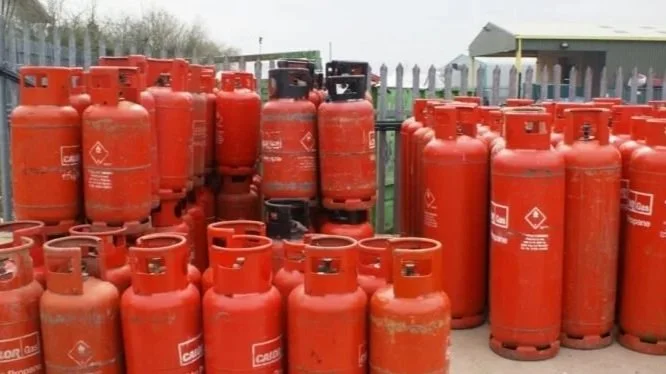
Households Face Pressure as Cooking Gas Prices Increase Nationwide
The average retail price for refilling a 5kg cylinder of cooking gas in Nigeria rose to ₦7,655 in March 2026, according to the National Bureau of Statistics (NBS). The increase highlights mounting pressure on household energy costs, driven by rising global prices and domestic supply challenges.
/ You Might Also Like /
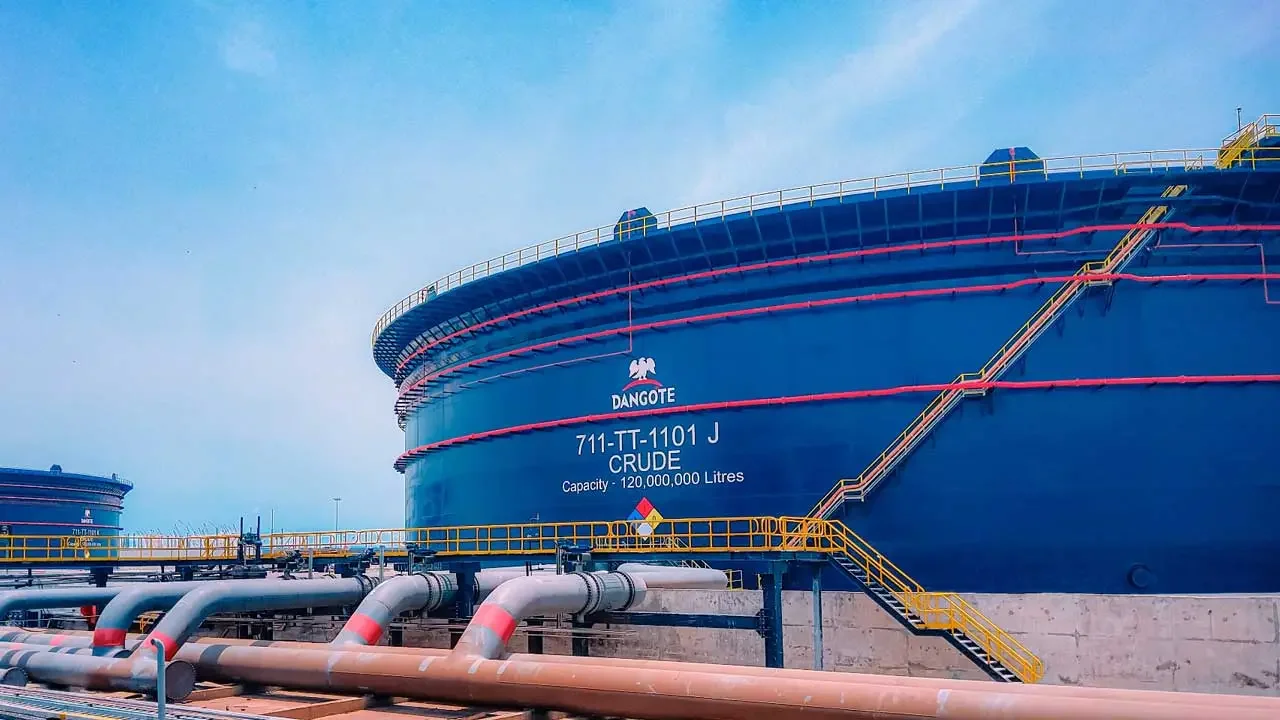



Rising Costs Across the LPG Market
Data from the NBS shows that the March price represents a year-on-year increase of approximately 4.55 percent compared to ₦7,322 recorded in March 2025.
The upward trend reflects broader movements in Nigeria’s Liquefied Petroleum Gas (LPG) market, where retail prices have continued to climb due to supply chain constraints and external market pressures.
Global and Domestic Drivers
Analysts attribute the price surge to a combination of global energy market volatility and local distribution challenges. Rising crude oil prices and geopolitical tensions have pushed LPG costs higher internationally, with domestic markets reflecting these increases.
At the retail level, prices have reached as high as ₦1,400–₦1,500 per kilogram in some locations, significantly increasing the cost burden for consumers.
Sharp Increase from Earlier in 2026
The March figure represents a significant jump from earlier in the year. In January 2026, the average cost of refilling a 5kg cylinder stood at approximately ₦5,404, indicating a rapid escalation within a short period.
This trend underscores the volatility of Nigeria’s LPG market, where prices can shift quickly due to changes in supply, logistics, and exchange rates.
Impact on Households and Energy Choices
The rise in cooking gas prices is placing additional strain on household budgets, particularly for low- and middle-income earners. LPG, once promoted as a cleaner and more affordable alternative to traditional fuels, is becoming less accessible for many Nigerians.
Higher energy costs may push some households back toward less efficient and more environmentally harmful fuel sources such as firewood and kerosene, reversing gains made in clean energy adoption.
Broader Inflationary Pressures
The increase in LPG prices forms part of a wider pattern of rising living costs across Nigeria. Energy expenses are a key component of household spending, and sustained increases can have ripple effects on food prices, transportation, and overall inflation.
For businesses, particularly in the food and hospitality sectors, higher cooking gas costs may translate into increased operating expenses and potential price adjustments.
The rise in cooking gas prices to ₦7,655 for a 5kg cylinder in March 2026 highlights deepening cost pressures within Nigeria’s energy market. Driven by global and domestic factors, the trend underscores the need for policy interventions to stabilise supply, improve distribution efficiency, and protect household access to clean energy.
Without targeted measures, continued price increases could undermine affordability and reverse progress toward sustainable energy use.
READ MORE