Housing Minister Muttaqha Darma outlines reforms to lower construction costs and expand housing investment
The Federal Government is implementing reforms to strengthen housing institutions, improve land administration, reduce construction costs and attract private investment as Nigeria seeks to expand access to affordable homes.
/ You Might Also Like /




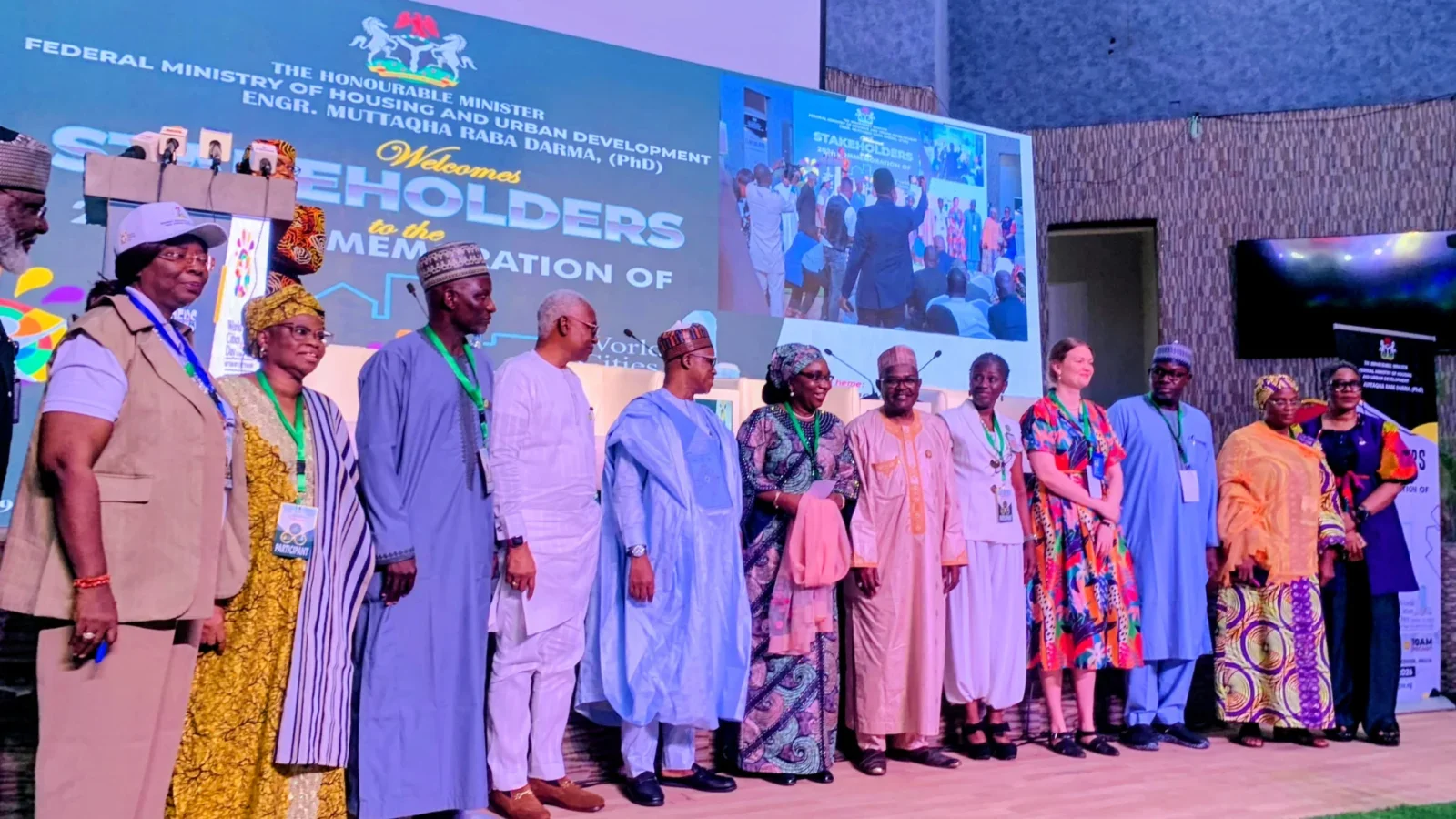
The Minister of Housing and Urban Development, Muttaqha Darma, disclosed this on Monday, 19 October 2026, during the commemoration of World Habitat Day and World Cities Day in Abuja. He said the reforms would improve coordination among housing agencies, strengthen physical planning and create a more supportive environment for housing development.
The government’s priorities include expanding local building-materials manufacturing, strengthening housing finance institutions and delivering more homes through the Renewed Hope Cities and Estates Programme.
Government Targets Lower Construction Costs and Stronger Housing Institutions
Darma said the ministry was implementing institutional reforms to improve service delivery and strengthen coordination among federal housing agencies.
The measures include improvements to land administration and physical planning, alongside efforts to align housing delivery with national urban development priorities.
The government is also promoting local building-materials manufacturing hubs to reduce reliance on expensive construction inputs and make housing development more affordable.
High construction costs remain a major barrier to expanding housing supply in Nigeria. Locally produced materials could help reduce procurement and transportation expenses, although the impact will depend on production capacity, energy costs, distribution networks and the competitiveness of domestic manufacturers.
Renewed Hope Programme Targets 100,000 Housing Units
The minister said the Renewed Hope Cities and Estates Programme targets the delivery of 100,000 housing units across Nigeria’s 36 states and the Federal Capital Territory.
The programme includes Renewed Hope Cities, Renewed Hope Estates and the proposed Renewed Hope Social Housing initiative, which are intended to provide different housing options for Nigerians.
Expanding supply remains important, but the success of the programme will also depend on whether homes match the purchasing power of their intended beneficiaries.
Housing affordability is shaped by more than the initial cost of construction. Land prices, infrastructure provision, financing charges, household incomes and access to suitable mortgage products all influence the final price buyers must pay.
Mortgage Finance Remains a Major Barrier to Homeownership
Darma identified high interest rates, limited long-term funding, stringent eligibility requirements and low mortgage penetration as major obstacles to homeownership.
The ministry is working to strengthen the Federal Mortgage Bank of Nigeria, the Nigeria Mortgage Refinance Company and other financial institutions to improve access to affordable housing finance.
These institutions play important roles in supporting mortgage lending and expanding the availability of longer-term funding. However, improving access will require financing products that reflect the incomes and employment conditions of a broader range of Nigerians, including informal-sector workers.
Lower-cost mortgages could increase effective demand for homes and give developers greater confidence to build for owner-occupiers. Yet improved financing must be accompanied by adequate housing supply to prevent additional demand from putting further pressure on property prices.
Public-Private Partnerships Expected to Support Housing Delivery
The minister called for stronger collaboration among federal, state and local governments, private developers, financial institutions and development partners.
Such partnerships can help address constraints that individual participants may struggle to resolve independently. State governments can contribute land and supporting infrastructure, while developers provide construction capacity and financial institutions structure funding for projects and eligible buyers.
Effective partnerships will require clear responsibilities, transparent procurement, reliable infrastructure commitments and commercially sustainable arrangements that preserve affordability.
For developers, predictable policies and improved coordination among public agencies could reduce delays and investment uncertainty. For government, private-sector participation could help mobilise additional capital and technical expertise for housing delivery.
What the Reforms Mean for Nigeria’s Property Market
The proposed reforms address several interconnected pressures on Nigeria’s housing market: expensive building materials, weaknesses in land administration, limited mortgage access and constraints on large-scale housing delivery.
If implemented effectively, improvements in these areas could make projects easier to finance, reduce some development costs and expand the pool of households able to purchase homes.
However, policy announcements alone will not deliver these outcomes. Investors and prospective homeowners will need to see measurable progress in construction costs, mortgage availability, land transactions and the completion of housing projects.
The government’s ability to coordinate its housing agencies with state authorities, developers and financial institutions will therefore be central to the reforms’ impact.
Outlook
The Federal Government is pursuing a combination of institutional reform, local materials production, housing construction and mortgage-sector development to improve affordability and attract investment.
The 100,000-unit housing target provides a measure of the programme’s ambition, but progress will depend on implementation, financing and the ability to deliver homes that households can afford.
For Nigeria’s property market, the critical test will be whether the reforms translate into lower development costs, more accessible housing finance and a sustained increase in the supply of affordable homes.
READ MORE