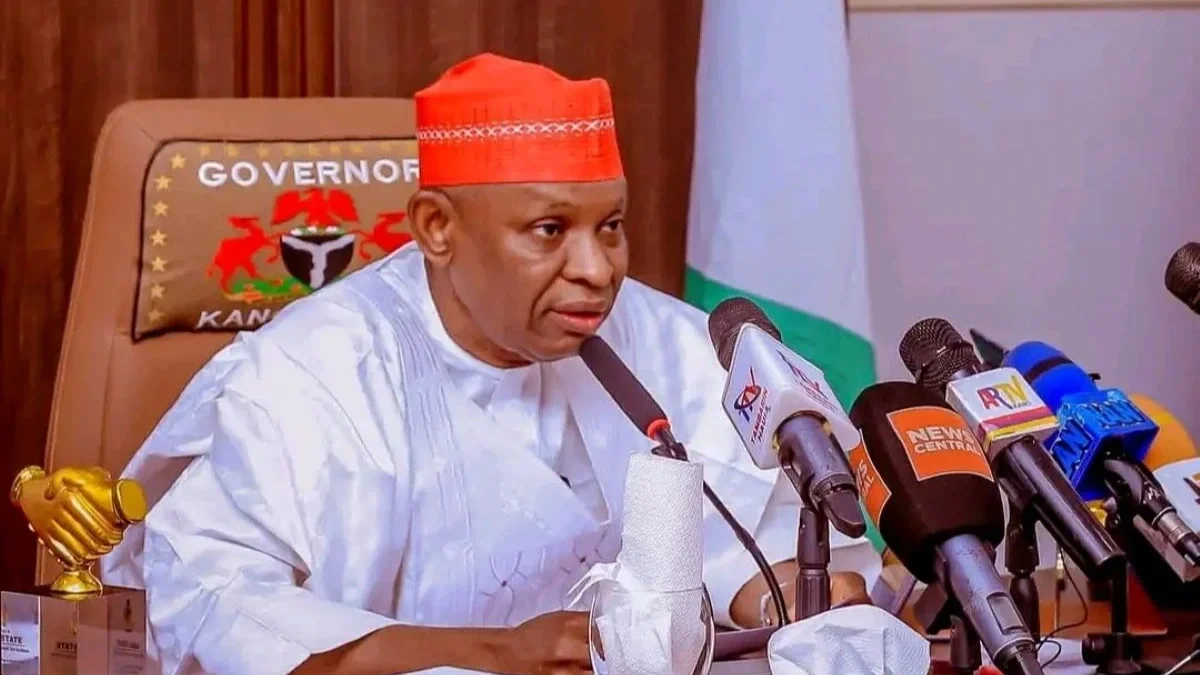
Kano State Assembly approves a ₦276bn reduction in the state’s 2026 budget
Kano State has reduced its 2026 budget by approximately ₦276 billion, cutting the spending plan from about ₦1.478 trillion to ₦1.21 trillion as lower-than-anticipated revenue inflows from the Federation Account Allocation Committee (FAAC) force the government to revise its expenditure plans.
/ You Might Also Like /




The Kano State House of Assembly approved the adjustment on 19 October 2026 following consideration of the 2026 Appropriation Amendment Bill. The revised budget allocates ₦390 billion to recurrent expenditure and ₦820 billion to capital projects, as the state seeks to align spending with available resources and limit additional borrowing.
FAAC Revenue Shortfall Drives Budget Revision
The Chairman of the House Committee on Appropriation, Abdulhamid Abdul-Minjibir, attributed the reduction to weaker-than-expected FAAC inflows, alongside the effects of tax reforms and prevailing economic conditions on the state’s revenue projections.
Kano had initially projected approximately ₦909.94 billion in FAAC revenue for 2026, representing about 62% of its original budget. Other expected revenue sources included internally generated revenue, grants and capital development fund receipts.
The state received ₦152.57 billion in FAAC allocations during the first half of 2026, up from ₦120.04 billion in the corresponding period of 2025. However, the amount received remained well below the level implied by its annual revenue projection.
The budget revision is intended to help the government maintain fiscal discipline, reduce borrowing pressures and concentrate available funding on priority programmes.
Capital Expenditure Falls to ₦820bn
The revised budget earmarks ₦820 billion for capital expenditure, down from the more than ₦1 trillion initially planned for capital projects. Recurrent expenditure, which covers administrative costs and other ongoing obligations, stands at ₦390 billion.
The reduction in capital spending could place pressure on the implementation timetable of infrastructure and development projects. The government has not specified which projects will face delays, reductions or reprioritisation.
Among the major projects approved earlier in 2026 were road interventions around Singer Market, rehabilitation of the Tamburawa and Challawa water treatment plants, and contracts for information and communications technology and computer-based testing centres across the state’s 44 local government areas.
The revised funding framework may require the government to review project schedules and commitments against the resources now available.
Housing and Infrastructure Delivery Face Funding Uncertainty
The budget adjustment has implications for Kano’s housing and property market because public spending on roads, water supply and other essential infrastructure influences land values, development costs and the attractiveness of residential investment locations.
Road construction and rehabilitation can improve access to housing developments and commercial districts, while reliable water infrastructure reduces the burden on households and property developers to provide alternative supplies.
If the reduction in capital expenditure delays infrastructure projects, some property developments could face slower improvements in accessibility and services. However, the effect will depend on which projects the state retains as priorities and how quickly it releases funds for implementation.
The budget revision does not automatically mean that housing programmes will be cut. The state has yet to identify specific housing or property-related projects affected by the adjustment.
Kano’s Revenue Dependence Highlights State Funding Risks
Kano’s revised budget illustrates the challenges states face when expenditure plans depend heavily on federal revenue allocations.
Although the state received more FAAC revenue in the first half of 2026 than in the same period last year, its receipts remained below the pace required to meet the original annual projection. This gap between budget assumptions and available funds has forced the state to reduce planned spending.
For developers, contractors and investors, the key issue will be whether the revised budget preserves funding for essential infrastructure and whether the government pays contractors and implements projects according to the new spending plan.
Outlook
Kano’s revised ₦1.21 trillion budget brings its expenditure plans closer to the revenue available under current conditions. The extent to which the adjustment affects infrastructure and housing delivery will depend on the government’s final project priorities, capital releases and execution schedule.
For the property market, continued investment in roads, water supply and other essential infrastructure will remain important to supporting housing development and improving the viability of residential locations across the state.
READ MORE