Benin Electricity Distribution Company
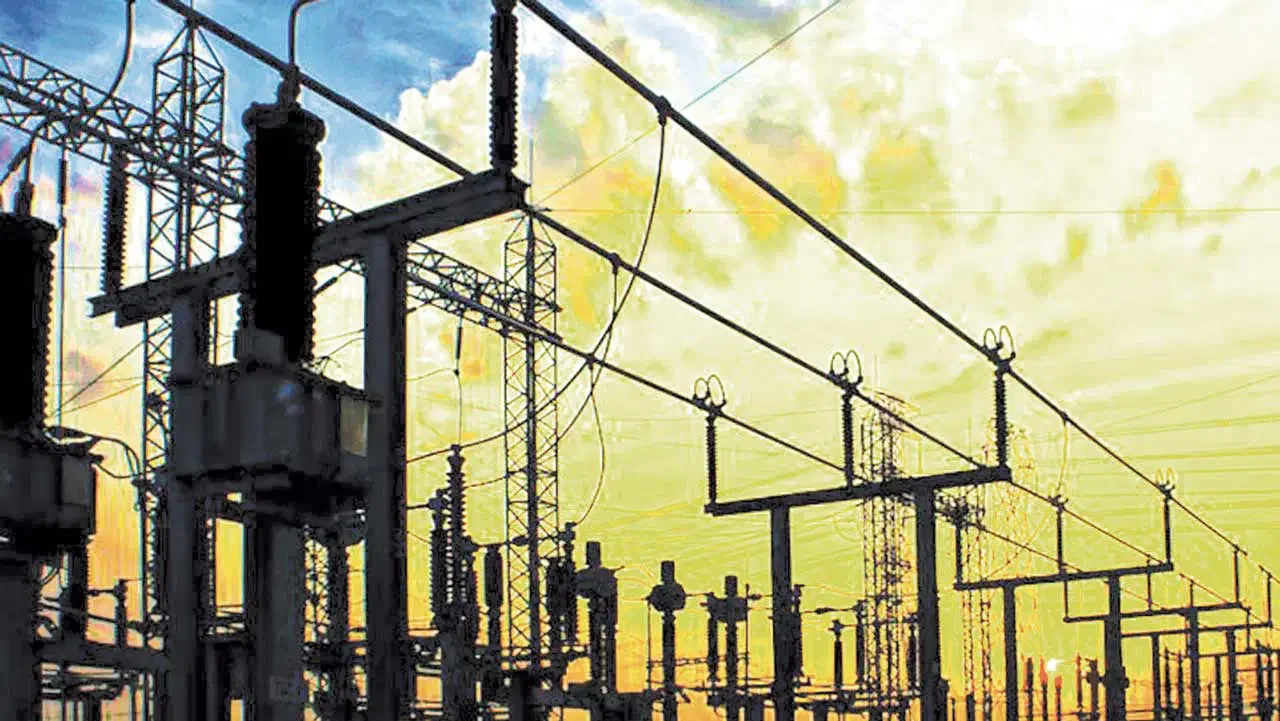
Electricity supply was disrupted across Edo, Delta, Ondo and Ekiti states on 19 October 2026 after workers under the National Union of Electricity Employees (NUEE) shut down facilities operated by BEDC Electricity Plc over disputes concerning staff emoluments and welfare packages.
/ You Might Also Like /




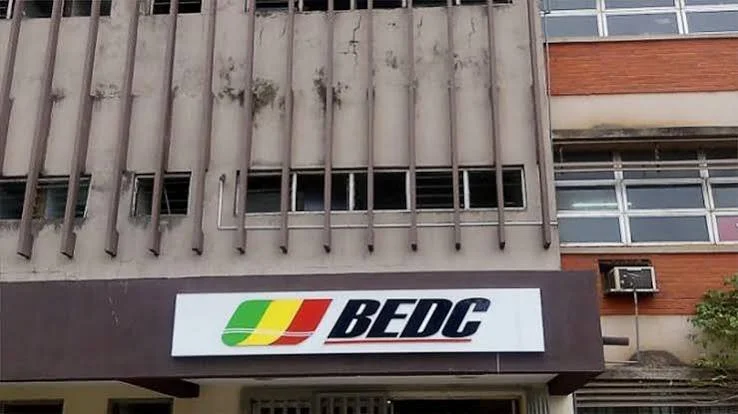
The industrial action affected operations at BEDC’s headquarters in Benin City, where union officials reportedly prevented staff from entering the premises and shut down key operational facilities. The disruption left electricity consumers across the company’s four-state franchise facing outages.
BEDC management was reportedly meeting with NUEE leaders to resolve the dispute, although the duration of the disruption remained unclear at the time of reporting.
Workers Shut BEDC Facilities Over Welfare Dispute
The shutdown followed disagreements between NUEE and BEDC management over workers’ pay and welfare arrangements.
A senior BEDC staff member expressed surprise at the action, saying management had recently reviewed employees’ emoluments. The union’s Edo State chairman, Williams Uwumarogie, could not be reached for comment.
Bernard Egwakide, acting chairman of the Nigeria Labour Congress in Edo State, said the labour centre had previously intervened in the dispute. He indicated that the outcome of discussions between NUEE and BEDC management would determine whether further intervention was necessary.
Four States Face Electricity Disruption
BEDC operates electricity distribution networks serving Edo, Delta, Ondo and Ekiti states. The shutdown of its operational facilities therefore affected a broad customer base spanning residential, commercial and industrial users.
For households, prolonged outages can increase the cost of meeting basic electricity needs, particularly where consumers depend on petrol or diesel generators, inverters and other backup systems.
Businesses also face higher operating costs when they must rely on alternative power sources to maintain operations. Small businesses, shops, workshops and service providers may be particularly exposed because electricity expenses can consume a significant share of their operating budgets.
Power Reliability Remains Important for Housing and Property Development
Electricity supply is an important consideration for Nigeria’s housing and real estate market. Reliable power supports residential comfort, property values, commercial activity and the attractiveness of locations to prospective buyers and tenants.
In areas affected by recurring outages, households and property owners may spend more on generators, fuel, solar systems and battery storage. Developers may also face pressure to incorporate alternative power infrastructure into new residential projects, adding to development costs and potentially affecting selling prices and rents.
Persistent supply disruptions can influence homebuyers’ location choices, particularly among households comparing estates and apartments with different power arrangements. For landlords, the availability and cost of electricity can also affect tenant satisfaction and the competitiveness of rental properties.
The latest shutdown does not establish a long-term change in property values across the four states. Its real estate implications will depend on the duration and frequency of disruptions and the availability of reliable alternatives.
Negotiations Will Determine When Supply Normalises
The immediate priority is resolving the dispute between NUEE and BEDC management so that affected facilities can resume normal operations.
The Nigeria Labour Congress may also intervene if discussions fail to produce an acceptable settlement. However, the available reports did not establish when the industrial action would end or when electricity supply would return to normal across the affected states.
Outlook
The BEDC shutdown highlights how labour disputes can disrupt essential services and impose additional costs on households and businesses. For Nigeria’s property market, the episode reinforces the importance of reliable electricity in determining household expenses, development costs and the attractiveness of residential locations.
The duration of the disruption and the outcome of negotiations will determine the immediate impact on consumers across Edo, Delta, Ondo and Ekiti.
READ MORE