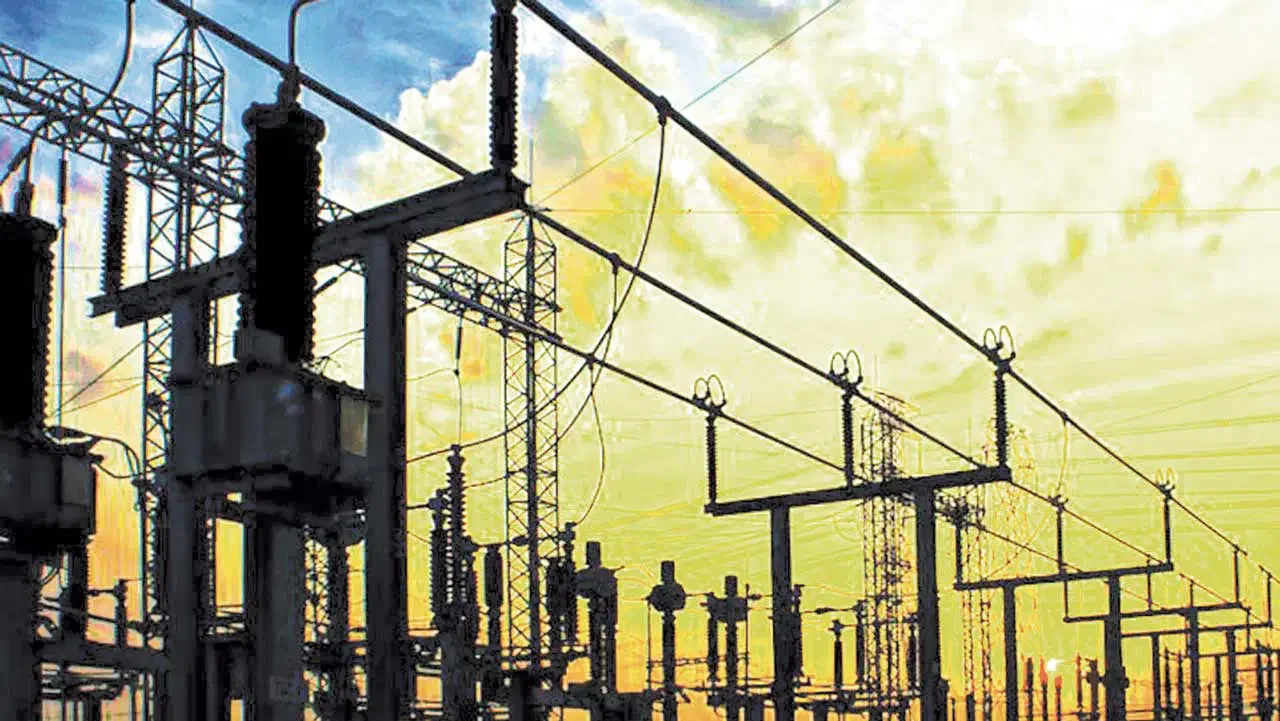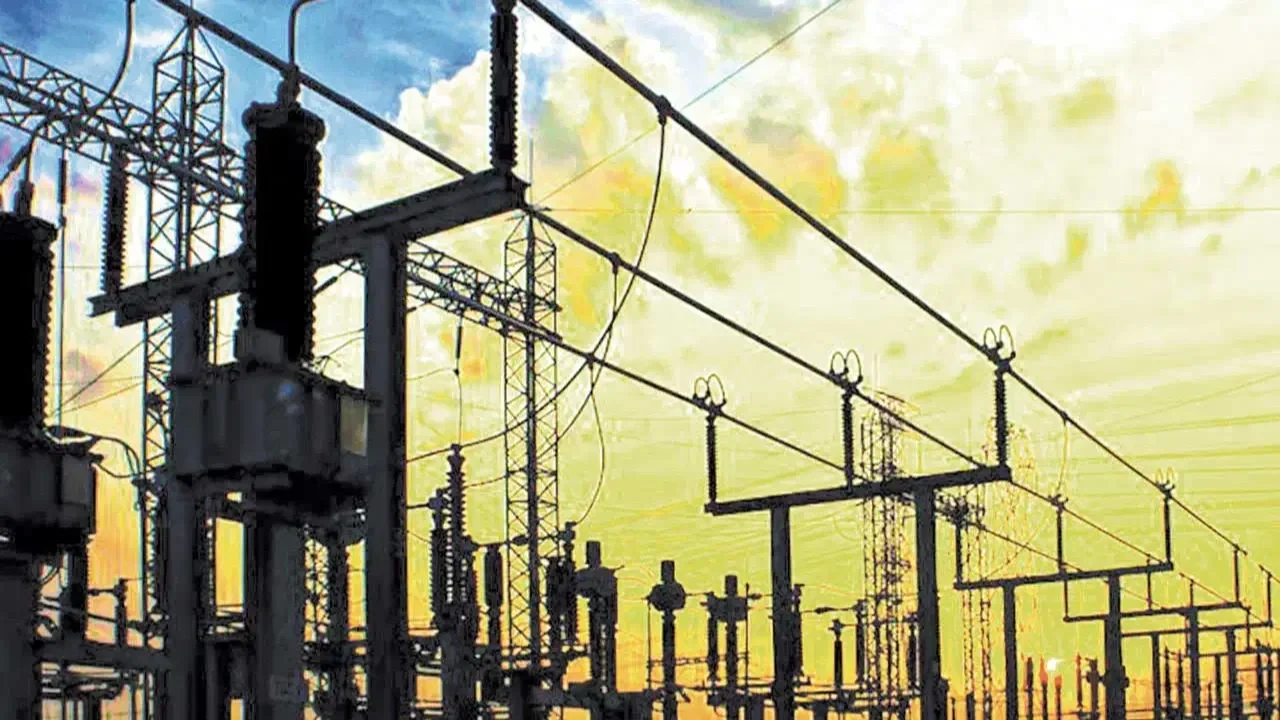
Nigeria’s electricity supply plunges after multiple power plants disconnect from the national grid.
Nigeria’s electricity supply plunged by 81.5% to 675 megawatts (MW) at 1pm on Monday, 19 October 2026, after several power plants disconnected from the national grid, triggering supply constraints for electricity distribution companies.
/ You Might Also Like /




Data from the Nigerian Independent System Operator (NISO) showed that grid supply fell from 3,647MW at noon to 675MW an hour later, a loss of 2,972MW. The number of power plants supplying the grid dropped from 21 to 12 during the period.
The incident prompted distribution companies, including Abuja Electricity Distribution Company (AEDC) and Ikeja Electric, to notify customers of reduced electricity supply.
Grid Supply Recovers After Sharp Decline
Electricity generation had reached 4,458MW at 6am on Monday before falling to 3,647MW by noon. After the sharp decline to 675MW at 1pm, supply recovered to 2,150MW by 5pm, although it remained well below the morning level.
NISO said the incident began at approximately 12:40pm following multiple trips on the 330-kilovolt transmission network. The system operator said it implemented corrective measures with the Transmission Company of Nigeria (TCN) and that restoration efforts had been completed.
NISO also clarified that the incident affected only part of the grid, rejecting claims that the entire national grid had collapsed.
DisCos Warn Customers of Supply Constraints
AEDC informed customers that a grid-related challenge had interrupted electricity supply and said technical teams were working to restore supply to affected feeders.
Ikeja Electric also attributed reduced supply across its network to lower electricity allocations from the national grid. The company said it was engaging relevant stakeholders to improve available supply and would distribute the electricity received as efficiently as possible.
The disruption demonstrates how a sudden decline in generation and transmission-system disturbances can affect consumers across distribution networks, even when the operator subsequently restores grid stability.
Impact on Housing and Property Operations
The sharp reduction in grid supply highlights the exposure of households, property owners and businesses to electricity disruptions. When public supply falls, residents may have to rely on generators, inverters, solar systems and battery storage to maintain essential services.
For landlords and property developers, unreliable electricity can increase operating and maintenance costs. Residential estates with shared power infrastructure may face higher expenditure on fuel and backup systems, while tenants may place greater value on properties offering more dependable electricity arrangements.
Power reliability also affects the attractiveness of residential and commercial locations. However, the effect of this incident on property prices and rents will depend on the frequency and duration of outages, as well as the availability and cost of alternative power sources.
Outlook
Although NISO reported that the grid had returned to normal operation, the episode underscores the need for a more resilient electricity system. Sustained improvements in generation, transmission infrastructure and grid management will be important to reducing supply disruptions.
For Nigeria’s housing market, dependable electricity remains a key factor in household affordability, property operations and the long-term viability of residential developments.
READ MORE