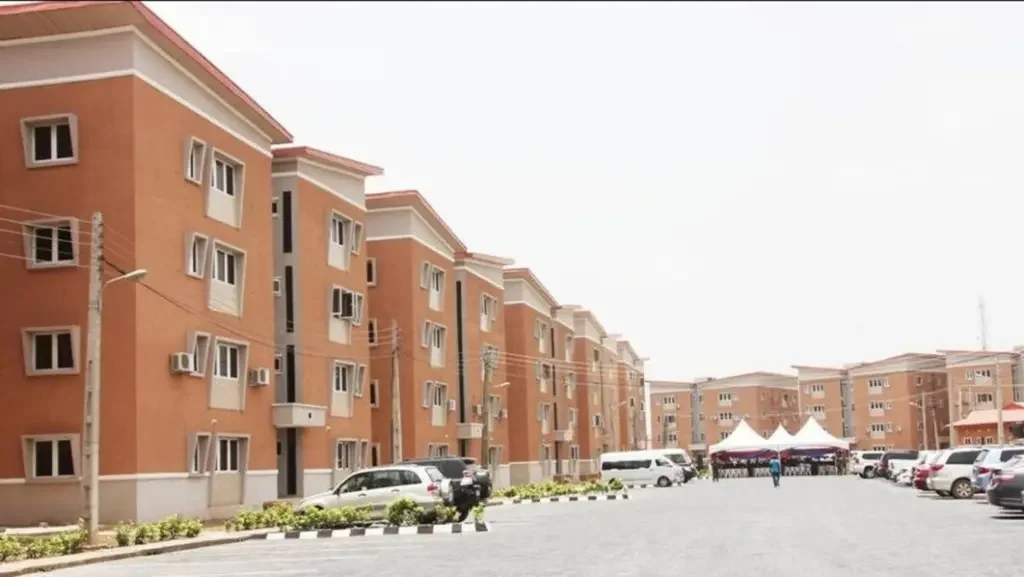
Nigeria’s Housing Market Needs Homes People Can Actually Afford
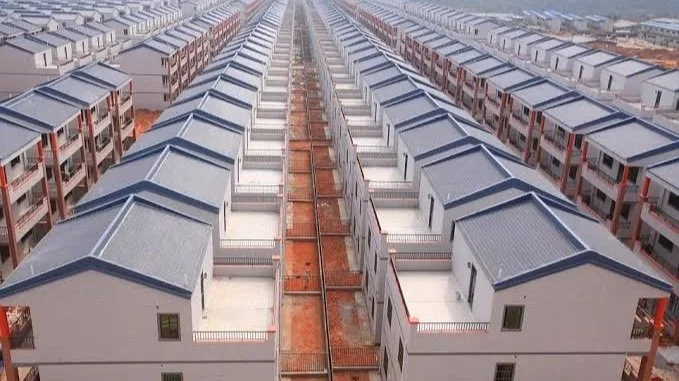
Housing affordability remains a major barrier to homeownership in Nigeria
Nigeria’s housing challenge extends beyond the number of homes available, as rising land and construction costs, limited access to long-term finance and household income constraints continue to make homeownership difficult for many Nigerians.
With the country’s housing deficit estimated at more than 28 million units, increasing housing supply remains important. However, the affordability of homes entering the market has become an equally important concern for developers, investors, policymakers and prospective homeowners.
/ You Might Also Like /




Housing Supply Alone Does Not Resolve Affordability
Nigeria’s housing debate has traditionally focused on the number of homes required to address the housing deficit. While increasing supply remains necessary, the availability of housing does not automatically make it accessible to households.
Affordability depends on several factors, including household income, mortgage rates, deposit requirements, land costs, construction expenses, infrastructure charges, transportation costs and general living expenses.
A home can therefore exist in the market without being financially accessible to the people who need it.
For a prospective buyer, the challenge may involve raising the initial deposit. Another household may manage the deposit but struggle with monthly repayments. A property that appears affordable may also become expensive when its location creates high transportation costs.
Rising Development Costs Widen the Affordability Gap
The cost of delivering housing remains a major factor behind property prices.
Land, building materials, labour, infrastructure and financing contribute to the final cost of residential development. As these costs increase, developers face pressure to raise selling prices, reduce project specifications or delay developments.
Recent increases in building material costs have added to these pressures. Cement, for example, remains a major construction input, with rising prices affecting developers and prospective homeowners.
The higher the cost of construction, the harder it becomes for developers to deliver homes at prices that match the purchasing power of lower- and middle-income households.
Developers Must Match Housing Products With Buyer Capacity
The affordability challenge also requires developers to consider the purchasing power of the market they intend to serve.
Premium housing will continue to attract demand from higher-income buyers, but Nigeria's wider housing need extends to households that cannot afford high-end developments.
This creates an important question for developers: who can realistically purchase the homes being constructed?
Smaller but well-designed units, efficient construction methods, phased developments and appropriate locations can provide ways to reduce the initial cost of homeownership.
The objective is not simply to construct smaller homes, but to develop housing products that reflect actual household incomes and financing capacity.
Mortgage Finance Remains Critical
Access to long-term housing finance remains central to the homeownership challenge.
Many households cannot purchase property through savings alone. A functioning mortgage market can spread the cost of a home over several years, making ownership more compatible with household income.
However, mortgage affordability depends on interest rates, repayment periods, deposit requirements and the availability of suitable financing products.
Where financing remains expensive or inaccessible, even reasonably priced homes can remain beyond the reach of prospective buyers.
Government Policies Influence Housing Costs
Government also plays a significant role in determining how much it costs to deliver housing.
Land administration, taxation, infrastructure provision, planning requirements, building regulations and housing finance policies can all affect the cost and speed of development.
Efficient land administration can reduce delays and uncertainty for developers. Infrastructure provision can also lower the amount developers need to spend on roads, drainage, water and other services before completing housing projects.
A predictable regulatory environment can further provide investors with greater certainty when committing capital to long-term housing developments.
Affordable Housing Is More Than a Lower Purchase Price
Housing affordability cannot be measured only by the amount a buyer pays for a property.
Location also matters.
A relatively cheaper home located far from employment centres, schools, healthcare facilities and commercial areas can impose significant transportation and time costs on residents.
For households, these recurring expenses can reduce the practical affordability of the property.
This makes access to infrastructure and public transportation important considerations in housing policy and development planning.
Housing Finance and Housing Supply Must Work Together
Developers and buyers face different sides of the same financing problem.
Developers require capital to acquire land and construct homes, while buyers require financing to purchase completed properties.
If developers can build but households cannot secure affordable financing, increased housing supply may not translate into higher homeownership.
Similarly, affordable mortgage products have limited impact when suitable homes are unavailable at prices households can sustain.
Greater coordination between housing development and housing finance could therefore help address both constraints.
Nigeria’s Housing Demand Remains Significant
Nigeria's large housing deficit represents both a social challenge and a substantial market opportunity.
Millions of households require better housing, while developers, investors, financial institutions and construction companies have opportunities to participate in meeting that demand.
The challenge is connecting available investment and development capacity with the purchasing power of households.
This requires developers to understand their target markets, financial institutions to develop appropriate housing finance products and policymakers to address the structural costs that make housing expensive.
Construction Costs Remain a Major Market Constraint
Housing affordability will remain difficult to improve if construction costs continue to rise faster than household incomes.
The cost of building materials affects developers directly, while higher development costs eventually influence the prices paid by buyers and tenants.
The issue also affects the pace of housing delivery. Where a project becomes significantly more expensive than originally budgeted, developers may delay construction, reduce the scale of the project or revise the selling price.
These pressures can make the delivery of lower-cost housing particularly difficult.
The Focus Must Shift From Units to Access
Nigeria needs more housing units, but the market also needs to focus on who can access those homes.
Housing policies and development programmes that measure success only by the number of units completed may overlook the financial capacity of the intended beneficiaries.
A more effective approach would consider the relationship between housing prices, household incomes, financing costs and location.
This would give policymakers and investors a clearer picture of whether new housing supply is actually reaching the households facing the greatest affordability pressures.
Outlook
Nigeria's housing challenge requires both increased supply and improved affordability.
The current market conditions show that constructing more homes alone will not solve the problem if households cannot afford to buy or rent them.
Reducing the cost of land and construction, improving infrastructure, expanding access to long-term mortgage finance and creating more market-oriented housing products will be important to closing the affordability gap.
READ MORE