Ogun Expands Affordable Housing Drive to Boost Homeownership

Ogun expands affordable housing and homeownership initiatives
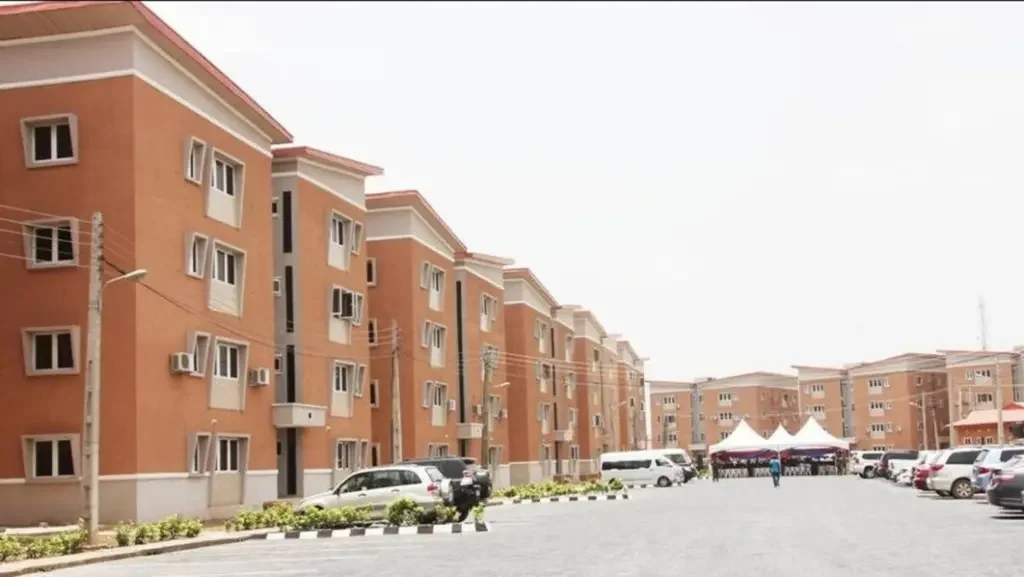
The Ogun State Government is expanding its affordable housing programme through new housing projects, flexible financing and community regeneration initiatives as it seeks to improve access to homeownership for residents.
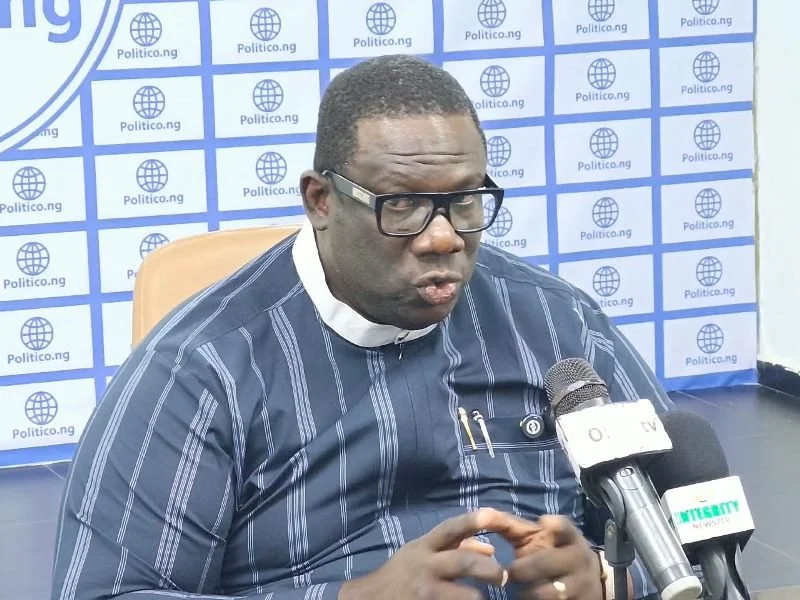
The State Commissioner for Housing, Jamiu Omoniyi, disclosed this during an X community conversation focused on affordable housing, financing and housing opportunities in Ogun State. More than 2,500 people participated in the discussion.
/ You Might Also Like /




Government Links Housing Delivery With Flexible Finance
Omoniyi said high construction costs and the inability of many prospective homeowners to pay for properties outright remain major barriers to homeownership.
The state is therefore combining housing delivery with financing arrangements designed to spread the cost of acquiring a home.
One of the initiatives highlighted by the commissioner is the proposed Prince Court Estate at Kobape Phase IV, where the government is working with Gateway Mortgage Bank on a Rent-to-Own scheme.
The arrangement is intended to provide an alternative for eligible residents who cannot afford to purchase a property through a single upfront payment.
Rent-to-Own Scheme Targets More Residents
Under a rent-to-own model, prospective homeowners occupy a property while making agreed payments towards ownership over time.
The approach can reduce the immediate financial requirement for buyers and provide an alternative to outright purchase.
For Ogun residents who have sufficient income to meet regular payments but lack the capital required for an upfront purchase, such arrangements could provide another route into homeownership.
However, access will depend on the eligibility requirements, payment terms and affordability of the scheme for intended beneficiaries.
Ogun Expands Housing Projects Across the State
The state government has developed housing schemes in several locations, including Kobape Phases I to III, Kemta, Itanrin, Ikenne and Iperu.
According to Omoniyi, the projects target different groups of middle-income earners. The government has also expanded its housing intervention beyond new estates to include regeneration of existing communities.
Projects in areas including Ibara GRA in Abeokuta and GRA Ijebu-Ode are intended to improve existing neighbourhoods while supporting economic activity within the built environment.
Community Regeneration Adds Another Housing Dimension
The inclusion of regeneration projects broadens the state's approach beyond the development of new estates.
Upgrading existing neighbourhoods can improve the quality and functionality of established urban areas without relying solely on the creation of new residential communities.
Such interventions can also affect surrounding property markets by improving infrastructure and the general condition of existing neighbourhoods.
Housing Projects Generate Artisan Jobs
The housing programme is also creating employment opportunities within the construction sector.
Omoniyi said more than 5,000 artisans had gained income opportunities through various housing project sites.
The ministry has adopted a direct-labour approach that allows local artisans to participate in construction activities.
According to the commissioner, the model also gives the ministry greater oversight of project execution and can help reduce some construction costs while increasing opportunities for local content providers.
Government Subsidises Land and Infrastructure
The state government is also using land and infrastructure interventions to reduce some of the costs associated with housing development.
Omoniyi said the government subsidises land costs and provides major infrastructure within its housing estates.
Land and infrastructure represent significant components of the final cost of housing. Reducing these costs can improve the financial viability of affordable housing projects and potentially lower the burden on beneficiaries.
Title Documentation Remains a Priority
The government is also working to address property documentation for beneficiaries of its housing schemes.
Omoniyi said the ministry is clearing a backlog of title documents, including documentation for beneficiaries of estates delivered before 2019.
Secure documentation is important to homeownership because it provides beneficiaries with formal evidence of their interest in a property and can reduce disputes over ownership.
It can also improve the ability of homeowners to use property as a financial asset where applicable.
Government Moves to Protect Genuine Beneficiaries
The commissioner urged prospective homeowners to patronise the state's housing schemes while stating that the ministry would continue monitoring developments after the allocation of houses and plots.
The government also intends to reduce speculation within its housing schemes and protect genuine beneficiaries.
This is particularly relevant where subsidised housing or government-supported land attracts demand from people seeking to acquire properties for investment rather than primary residence.
Affordability Remains the Central Test
The expansion of housing projects and financing options addresses several aspects of the homeownership challenge, but affordability will ultimately determine how accessible the schemes become.
The cost of construction, household income, financing terms, land prices and infrastructure all influence the final cost of a home.
For middle-income households, the availability of a rent-to-own option can help spread payments, but the monthly or periodic obligations must still align with household income.
Housing Delivery Could Support Ogun’s Property Market
Continued housing development across Ogun could also influence the state's wider property market.
New residential schemes can create demand for roads, retail facilities, schools, healthcare services and other supporting infrastructure.
The expansion of housing into areas outside established urban centres can also contribute to the growth of new residential corridors, particularly where infrastructure and transport connections improve alongside housing delivery.
However, the long-term impact will depend on the completion and quality of infrastructure and the ability of residents to sustain ownership.
Outlook
Ogun State is combining housing construction with financing, land subsidies, infrastructure provision, community regeneration and property documentation as it seeks to improve access to homeownership.
The approach addresses several of the costs that can make housing inaccessible, while the Rent-to-Own scheme provides an alternative to outright property purchases.
The key test will be whether these measures translate into homes that residents can afford to acquire and maintain over the long term. For Ogun's housing market, sustained delivery, transparent allocation and accessible financing will remain important to turning housing projects into lasting homeownership opportunities.
READ MORE