Lagos Land Dispute Raises Fresh Questions Over Property Title Security

A Lagos land-title dispute raises concerns over property records and ownership verification
A property ownership dispute in Victoria Island has renewed concerns about land-title security and the reliability of property records in Lagos, after CFL Group of Companies called on the state’s Land Registry to address alleged irregularities in documents connected to a property on Adeola Odeku Street.
/ You Might Also Like /




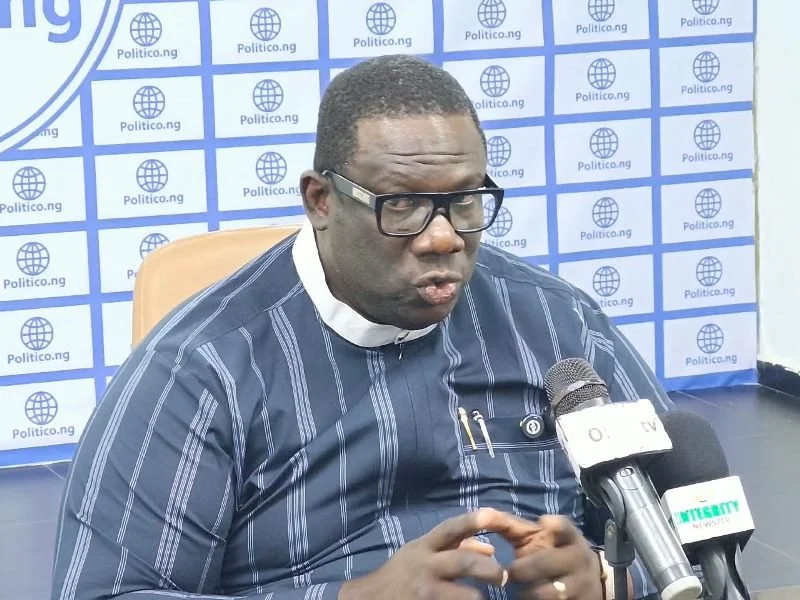
Lai Omotola, Group Managing Director of CFL Group, issued a seven-day ultimatum to the Lagos State Land Registry on 8 October 2026, alleging that land documents had been falsified or manipulated. He said the affected parties could seek ₦5 billion in damages through the courts if the dispute remained unresolved. The allegations have not been established as a final legal finding.
Victoria Island Property Dispute at the Centre of the Allegations
Omotola said CFL Group purchased the property at 24 Adeola Odeku Street, Victoria Island, and began construction before another party allegedly challenged its ownership and sealed the premises.
According to Omotola, the opposing party relied on a Governor’s Consent linked to an earlier chain of ownership involving Samuel Oladele Ige and the late Alhaji Ganiyu Amusan.
Omotola said investigations by his company raised questions about the ownership history because Ige reportedly died in 2012, while Amusan died in 1994. He questioned documents said to record transactions in 2015 and an affidavit allegedly sworn in Ige’s name that year.
He also said members of Ige’s family disputed the authenticity of the affidavit’s photograph and signature. These accounts were presented by Omotola and have not been independently established as findings by a court.
CFL Group Alleges Manipulation of Land Registry Documents
Omotola described the alleged practice as “land title laundry”, which he said involves introducing falsified or manipulated documents into official records to create the appearance of legitimate ownership.
He alleged that such practices could allow disputed property interests to appear valid during transactions or when borrowers use land as collateral for loans.
The dispute also raises questions about the distinction between a Certificate of Occupancy and a Governor’s Consent. A Certificate of Occupancy documents a government grant of a right of occupancy, while a Governor’s Consent generally relates to approval for a transaction involving an existing interest in land. Neither document should be assessed in isolation from the underlying title and ownership history.
Omotola argued that approval of a transaction would not, by itself, cure defects in an underlying title if the original documents were forged or obtained through misrepresentation.
The allegations underline why buyers and lenders need to verify the complete chain of title rather than rely solely on the presence of a registered document. Whether any documents in this particular dispute were falsified remains a matter for the relevant authorities and courts to determine.
Land Registry Asked to Review Disputed Records
Omotola said the Ige family had petitioned the Land Registry over the disputed documents. He further alleged that the registry invited beneficiaries of the contested Governor’s Consent to proceedings that could result in its deregistration, but that they failed to appear on two occasions.
He called on the state government to investigate the disputed records and correct them if the allegations are substantiated.
Omotola said the affected parties could pursue legal action, including a claim for ₦5 billion in damages, if the registry failed to respond within the seven-day period he announced.
The ultimatum and proposed damages claim represent CFL Group’s position. The available report does not establish that a court has awarded damages or issued a final ruling on ownership of the property.
What the Dispute Means for Lagos Property Buyers and Investors
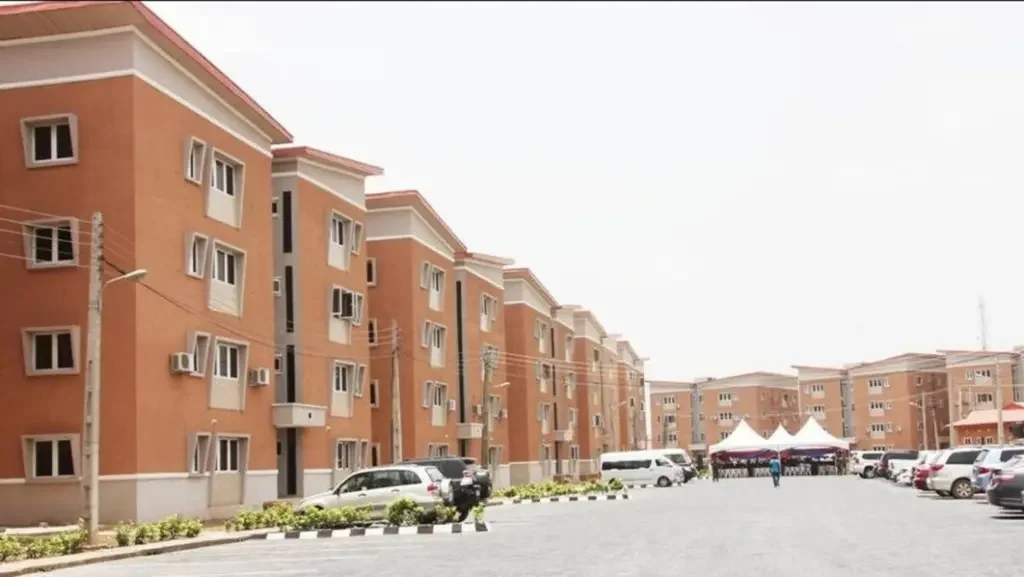
Land-title disputes can expose property buyers, developers and lenders to substantial financial and legal risks. A transaction may be delayed or challenged if competing parties produce conflicting ownership records, potentially leaving buyers unable to develop, occupy, sell or use a property as collateral while the dispute remains unresolved.
For developers, uncertainty over title can disrupt construction schedules, increase legal expenses and tie up capital in projects that cannot proceed as planned. For financial institutions, questions over collateral ownership can complicate loan recovery if a borrower defaults.
The dispute does not establish how widespread the alleged practice is across Lagos. However, it illustrates the importance of title verification, particularly in high-value locations where property transactions involve significant capital.
Prospective buyers should obtain an independent title search, verify the seller’s legal authority, review the chain of ownership and check for registered interests, caveats or pending litigation. They should also seek advice from a qualified property lawyer before making substantial payments.
Land Administration Remains Important to Real Estate Investment
Secure and predictable land administration is a foundation for property-market confidence. Buyers need reliable records to establish ownership, developers need certainty before committing construction capital, and lenders need confidence that property offered as collateral carries enforceable rights.
Where disputes arise, timely investigations, transparent record-keeping and clear procedures for correcting erroneous entries can help reduce uncertainty. Digitisation may improve access to records and traceability, but it must be supported by reliable source documents, appropriate access controls and effective procedures for resolving competing claims.
For Lagos, the central issue is not simply whether one party’s claim prevails. It is whether the state’s land administration system can establish ownership through verifiable records and provide a credible process for resolving disputed titles.
Outlook
CFL Group’s ultimatum has placed a specific Victoria Island property dispute in the spotlight and renewed attention on title verification in Lagos real estate.
The next significant developments will be the Land Registry’s response, any formal investigation into the disputed documents and whether the parties pursue court proceedings. Until the relevant evidence is examined and the dispute is resolved, the allegations should not be treated as proof of fraud or conclusive evidence of ownership.
For buyers, developers and investors, the case reinforces a practical lesson: verify the underlying title and ownership history before committing capital, rather than relying on a single document or the assurances of a seller.
READ MORE