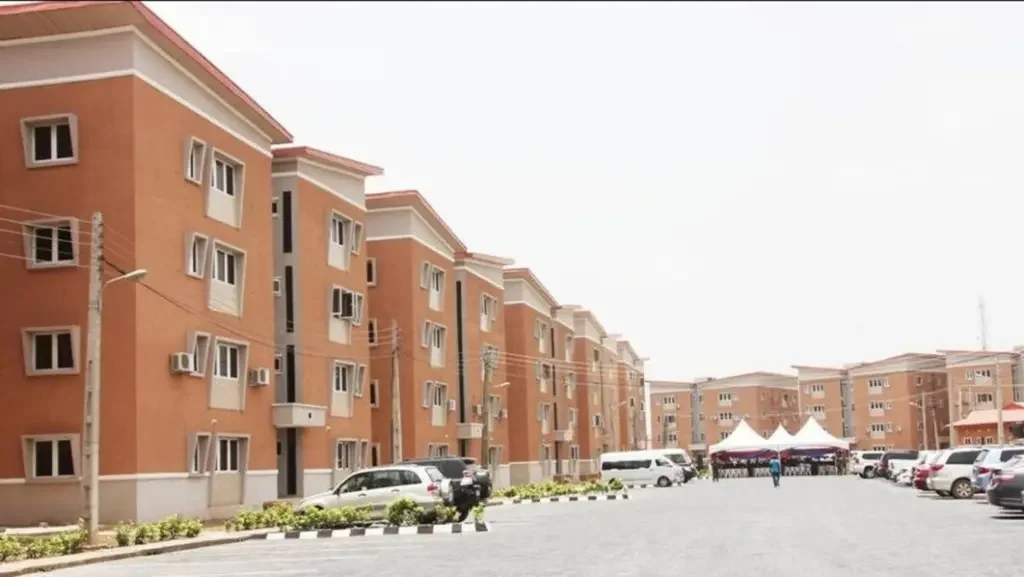
Cement Price Surge Worsens Nigeria’s Housing Affordability Crisis
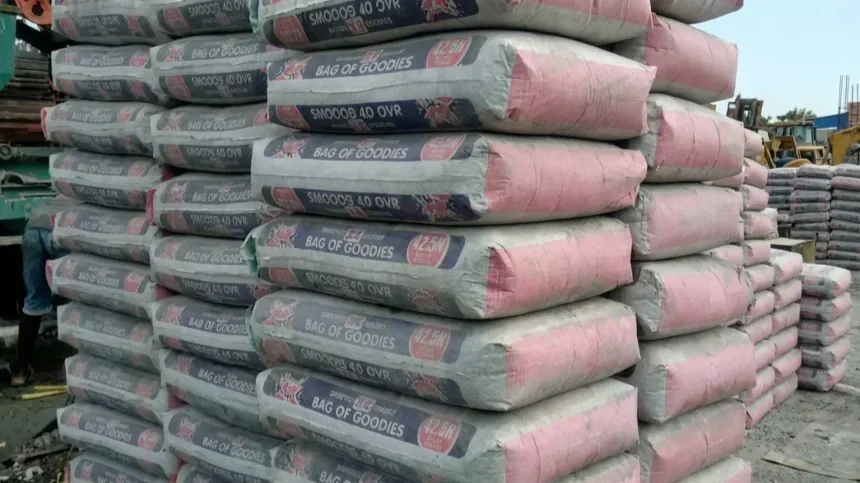
Rising cement prices add pressure to housing costs
The rising price of cement is putting additional pressure on Nigeria’s housing market, with the cost of a 50kg bag reportedly exceeding ₦15,000 in some locations and increasing the financial burden on developers and prospective homeowners.
The latest increase comes as the Federal Competition and Consumer Protection Commission (FCCPC) investigates pricing practices in the cement industry, while construction professionals call for greater supply, competition and transparency across the market.
/ You Might Also Like /




Cement Prices Rise Above ₦15,000
The price of a 50kg bag of Dangote Cement has climbed above ₦15,000 in some locations.
The development has raised concerns because cement remains a major construction input and price increases can affect the cost of building residential properties.
Amusan Oluseyi, Principal Partner at Space Button Architecture Limited, questioned the scale of the increase given Nigeria's estimated cement production capacity of between 60 million and 65 million metric tonnes annually, compared with domestic consumption of about 25 million to 30 million metric tonnes.
He called for measures to protect Nigerians building homes and urged greater consideration of alternative construction materials.
Industry Stakeholders Offer Different Explanations
Industry stakeholders have offered different explanations for the latest increase.
Soji Adeniji, Chairman of the Lagos Chamber of Commerce and Industry's Engineering and Construction Group, attributed the recent movement partly to a temporary supply shortage.
According to Adeniji, maintenance work at a Dangote Cement plant and access restrictions affecting some depots reduced the quantity of cement available to distributors. He said the tighter supply allowed some participants in the distribution chain to increase prices.
Adeniji also said he had not received an official notice from Dangote Cement announcing a new manufacturer price and expects prices to moderate once supply improves.
Energy and Logistics Add to Production Costs
John Agbezin, Public Relations Secretary of the Nigerian Institute of Quantity Surveyors, identified several other factors affecting cement prices.
These include energy costs, foreign exchange movements, transportation, insecurity and multiple taxes.
He said manufacturers rely on diesel and gas to operate their plants, meaning higher energy costs can increase production expenses. Foreign exchange movements can also affect imported inputs used in production.
Transportation presents another cost pressure, particularly where poor roads and insecurity force truck operators to take longer routes.
Infrastructure Projects Add to Cement Demand
Agbezin also pointed to demand from major infrastructure projects as another factor affecting cement availability.
Large infrastructure developments can absorb significant quantities of cement, potentially reducing the supply available to smaller construction projects and individual developers when the market experiences shortages.
For individuals building homes on limited budgets, sudden changes in cement prices can make project financing more difficult.
Developers also face greater uncertainty when preparing project budgets and determining the eventual selling price of completed properties.
Rising Costs Could Push Property Prices Higher
Higher cement prices can affect the housing market through the construction cost of new properties.
Developers facing higher input costs may adjust selling prices to recover part of the additional expenditure. The same pressure can affect rental housing as higher development costs influence the returns investors require from properties.
This creates an additional affordability challenge for households whose incomes may not increase at the same pace as property prices and rents.
Housing Supply Could Face Further Pressure
Persistent increases in construction costs can also affect the pace of housing delivery.
Where project costs rise significantly after construction has started, developers may revise budgets, delay projects or reconsider the feasibility of developments aimed at lower-income households.
This is particularly important for Nigeria's affordable housing segment, where developers already face challenges balancing construction costs with the purchasing power of potential buyers.
FCCPC Investigation Draws Attention
The FCCPC is investigating developments in the cement industry amid concerns about pricing.
Industry stakeholders have called for the commission to conclude its investigation and publish its findings.
Agbezin also called for action against cartels if the investigation establishes evidence of anti-competitive practices, while urging greater transparency around factory, wholesale and retail prices.
Calls for Greater Competition
Industry professionals have also called for greater competition in Nigeria's cement market.
Agbezin said Nigeria should encourage additional investment and production capacity alongside existing major producers, including Dangote Cement, BUA Cement and Lafarge.
Greater competition could provide buyers with more options and reduce the effect of supply disruptions on market prices.
Alternative Building Materials Proposed
The rising cost of cement has also renewed discussion around alternative construction materials.
Amusan called for greater research and commercial development of building methods that rely less heavily on cement. He cited laterite-based materials, including Latcrete blocks, as one potential alternative.
Wider adoption would depend on factors including building standards, availability, technical performance, cost and acceptance by developers and consumers.
Outlook
The latest cement price increase adds another layer of pressure to Nigeria's housing affordability challenge, particularly as developers and households continue to contend with broader construction and financing costs.
While some industry stakeholders attribute the latest movement to temporary supply constraints, continued price volatility could make it harder for developers and prospective homeowners to prepare reliable construction budgets.
For the housing sector, greater supply stability, transparent pricing, stronger competition and efforts to reduce production and logistics costs will remain important to controlling construction costs and improving the prospects for affordable housing delivery.
READ MORE