Higher Oil Prices Could Boost Nigeria’s Export Earnings, but Fuel Costs Remain a Risk
Higher global oil prices could boost Nigeria’s export earnings while keeping fuel costs under pressure
Nigeria could earn more from crude oil exports as global energy prices rise, but higher refined petroleum costs could erode some of the gains and intensify inflationary pressures across the economy.
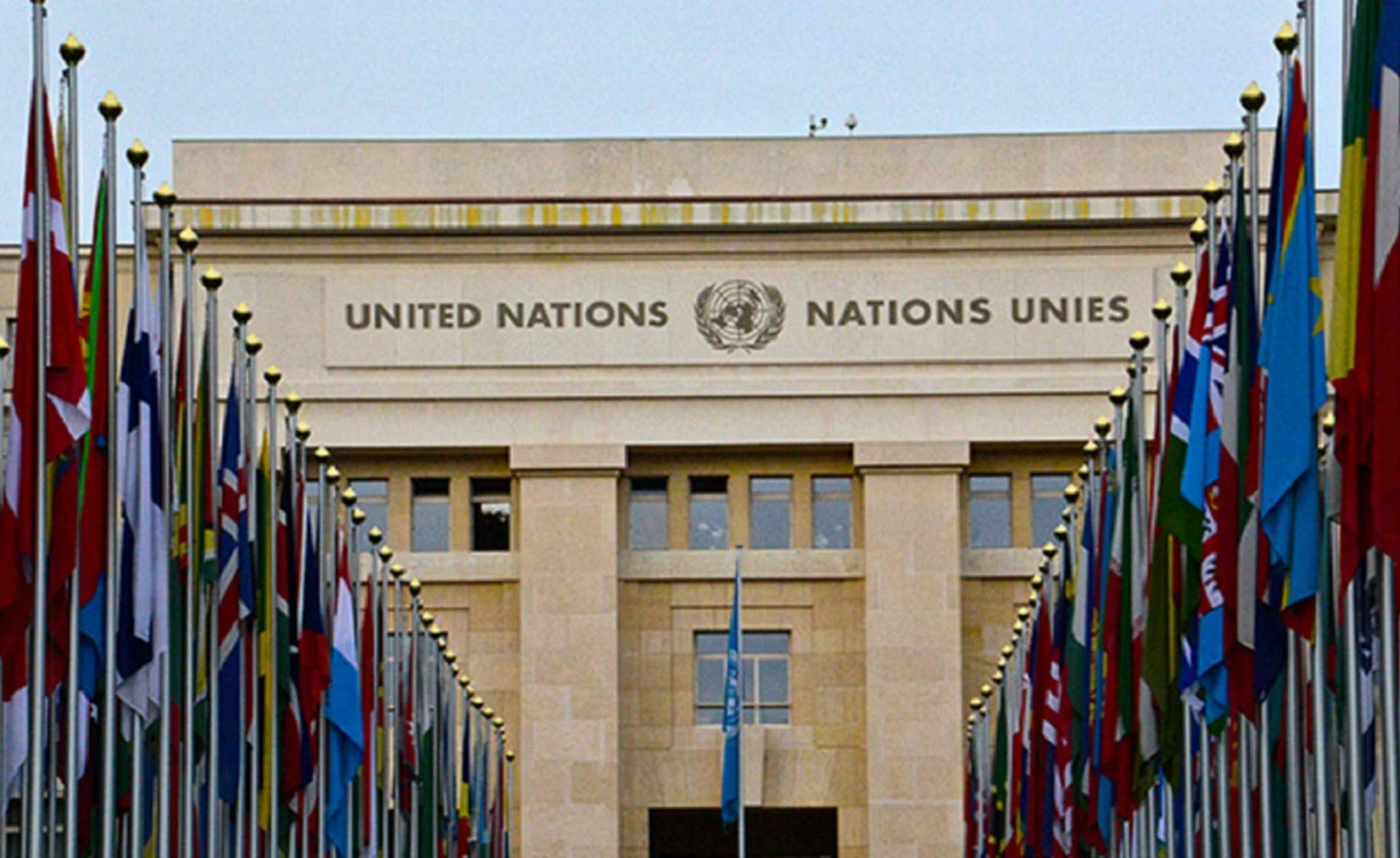
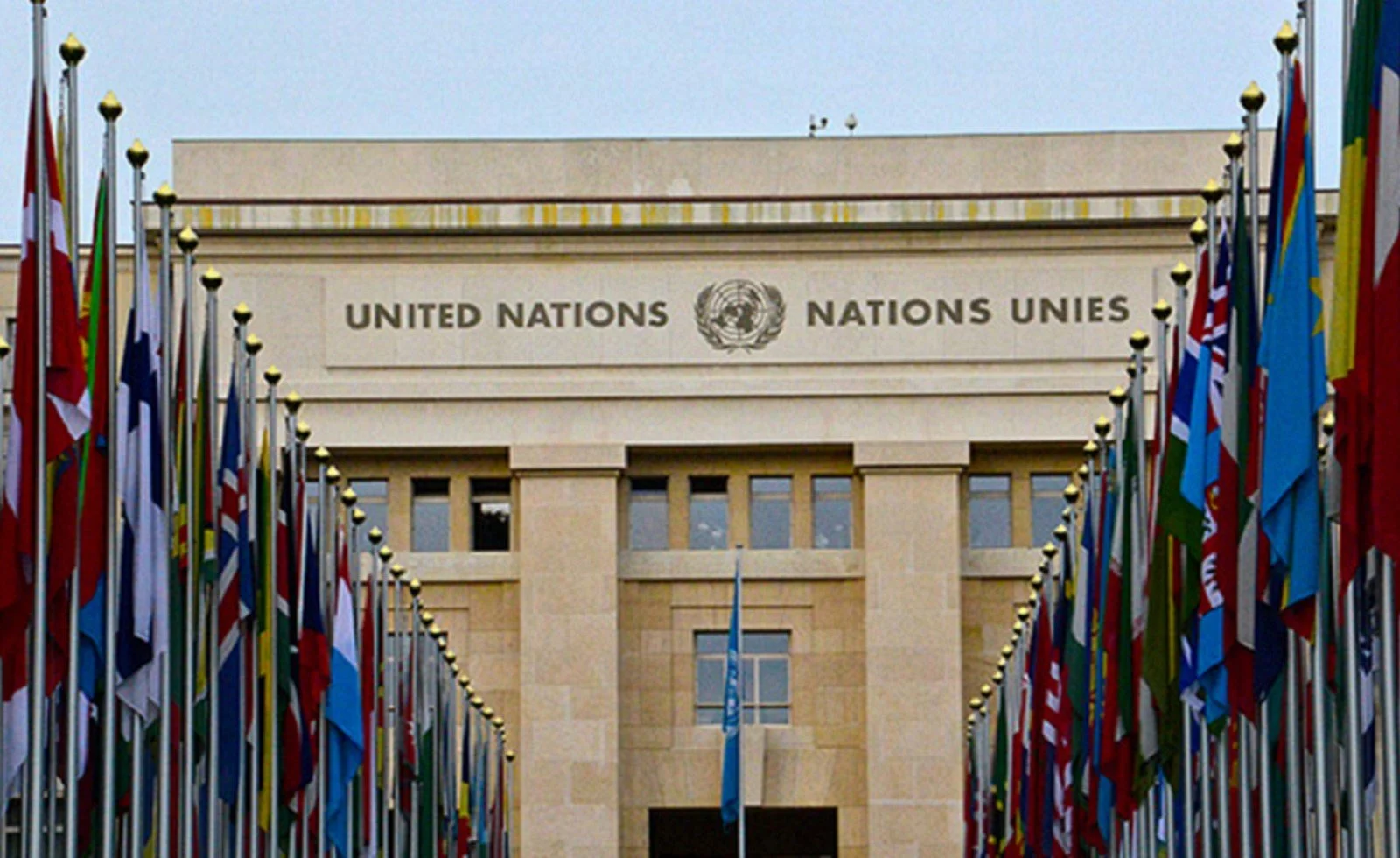
The United Nations Conference on Trade and Development (UNCTAD) identified Nigeria, Angola, Guyana and Kazakhstan among oil and gas exporters positioned to benefit from the energy price surge in its Trade and Development Report 2026: The Geoeconomics of Development. The report links the disruption to the conflict in the Middle East, damage to energy infrastructure and interruptions to shipments through the Strait of Hormuz.
/ You Might Also Like /




Higher Crude Prices Could Lift Export Earnings
UNCTAD said Brent crude prices rose from about $70 to more than $110 per barrel following the outbreak of the conflict. Despite releases from global oil reserves and increased production outside the Middle East, the report expected prices to remain more than $30 above pre-conflict levels through the end of 2026.
For Nigeria, higher prices could increase the value of crude exports and provide additional foreign exchange earnings. The scale of any benefit, however, will depend on production volumes, export receipts, domestic petroleum costs and the government’s fiscal position.
Nigeria’s crude oil exports were valued at ₦11.20 trillion in the first quarter of 2026, up 15.46% from ₦9.70 trillion in the preceding quarter, according to figures cited by Nairametrics from the National Bureau of Statistics. The value remained 13.5% below the ₦12.96 trillion recorded in the first quarter of 2025.
Nairametrics
Higher international prices could therefore support export earnings, but they do not guarantee a proportionate improvement in public revenue or household purchasing power.
Domestic Fuel Costs Could Offset Some Gains
UNCTAD warned that countries with insufficient domestic refining capacity may lose part of the benefit from higher crude prices because refined petroleum products also become more expensive.
Nigeria’s expanding refining capacity could reduce its exposure to imported petrol and other refined products. Nairametrics reported that average daily petrol imports fell to 14.6 million litres in August 2026, from 19.7 million litres in July, based on figures from the Nigerian Midstream and Downstream Petroleum Regulatory Authority.
However, continued reliance on imported petroleum products means international price movements can still affect domestic fuel costs. Higher prices for fuel can also increase transport and operating expenses for businesses, putting pressure on production costs and consumer prices.
Nairametrics
Inflation and Financing Costs Remain Risks
The report warned that the energy shock could fuel inflation, tighten monetary policy, increase borrowing costs and heighten financial stability risks.
For businesses, rising energy costs can increase the cost of transporting goods, operating equipment and maintaining facilities. If companies pass those expenses on to customers, households may face higher prices across a range of goods and services.
The impact on Nigeria will depend partly on how additional export earnings compare with higher domestic energy costs and how effectively the country manages the effects of the shock.
Implications for Construction and Housing
Higher fuel costs matter to the housing market because construction and property operations depend on transport, energy and the movement of building materials.
Diesel powers generators and machinery at some construction sites, while petrol and diesel prices influence the cost of transporting cement, steel, aggregates and other materials. Higher operating expenses can put pressure on developers’ budgets, property maintenance costs and the financial viability of projects.
If these costs persist, developers may face difficult decisions about project pricing, construction schedules and the scale of new supply. Higher household living expenses could also leave prospective buyers and tenants with less money available for housing.
These are potential transmission channels rather than confirmed outcomes from the UNCTAD report. The effect on housing prices, rents and construction activity will depend on the duration of the energy shock, local supply conditions and developers’ ability to absorb or manage additional costs.
Outlook
The rise in global energy prices presents Nigeria with both a potential export-revenue opportunity and a domestic cost challenge. Higher crude prices could strengthen export earnings, but the overall benefit will depend on production, refining capacity, domestic fuel prices and the wider effects on inflation and financing conditions.
For the housing and construction sectors, the key concern is whether rising energy and transport costs persist long enough to raise project expenses and weaken affordability. The potential gains from oil exports will need to be assessed alongside these pressures rather than treated as an automatic improvement in the wider economy.
READ MORE