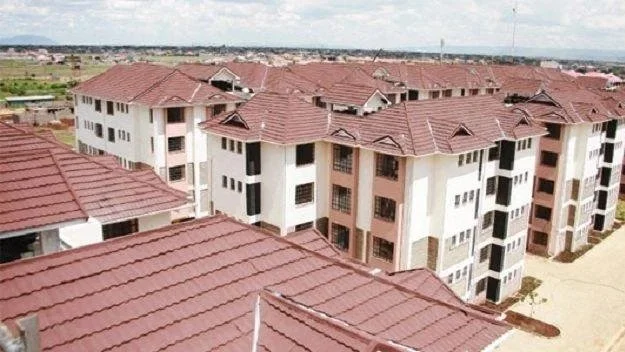
Tenants Face Mounting Pressure as House Rents Outpace Incomes Across Nigeria
House rents across Nigeria continue to rise despite weaker household purchasing power and slowing economic activity, highlighting deep structural challenges in the country's housing market. Industry analysts attribute the persistent increase in rental prices to limited housing supply, rising construction costs, inflation and rapid urbanisation, factors that continue to outweigh weakening consumer demand.
The trend has intensified affordability concerns for millions of tenants, many of whom are spending a growing share of their income on accommodation as rental costs outpace wage growth across major cities.
/ You Might Also Like /




Rising Rents Persist Despite Weaker Purchasing Power
Under normal market conditions, slowing demand and declining purchasing power would be expected to moderate rental prices. However, Nigeria's rental market has continued to move in the opposite direction.
According to property market analysts, demand for rental accommodation remains resilient because housing is an essential need, while the supply of quality residential units has failed to keep pace with rapid population growth and urban migration. This imbalance has enabled landlords to maintain higher rental prices despite broader economic challenges.
The result is a rental market where prices continue to rise even as many households struggle to afford existing accommodation.
Housing Supply Gap Continues to Drive Prices
Experts identify the shortage of formal housing as one of the primary drivers of escalating rents.
Nigeria's housing deficit, estimated at millions of housing units, continues to widen as population growth outpaces residential construction. Limited delivery of affordable homes has increased competition for available properties, particularly in major urban centres such as Lagos, Abuja and Port Harcourt.
Developers also face high financing costs, expensive land acquisition, infrastructure deficits and regulatory bottlenecks, all of which increase the cost of delivering new housing and reduce the pace of supply.
Construction Costs Continue to Pressure the Rental Market
The cost of developing residential properties has risen significantly over the past two years.
Inflation, exchange rate volatility and higher prices for cement, steel, roofing materials and other construction inputs have increased development costs. Higher interest rates have also made financing more expensive for developers, while rising maintenance costs have encouraged many landlords to adjust rents to preserve returns on their investments.
These cost pressures continue to feed into rental prices, particularly in cities experiencing strong population growth and sustained housing demand.
Affordability Challenges Intensify
The continued rise in rents is placing additional financial pressure on households already affected by higher food, transportation and utility costs.
According to housing market reports, many tenants now spend well above the 30% rent-to-income ratio widely used as an affordability benchmark, reducing disposable income available for education, healthcare and savings.
The practice of demanding one or two years' rent in advance, together with agency, legal and caution fees, has further increased the financial burden on prospective tenants in many Nigerian cities.
Implications for Housing and Real Estate
The persistence of high rents presents both opportunities and challenges for Nigeria's property market.
For investors, rising rents can improve rental yields and strengthen the attractiveness of income-producing residential assets. However, declining affordability may eventually weaken effective demand, increase rent defaults and reduce occupancy levels if household incomes fail to keep pace with rising housing costs.
For developers, the situation highlights the growing need for affordable housing projects targeted at middle- and lower-income households, where demand remains strongest but supply is most constrained.
Expanding access to long-term mortgage finance, reducing construction costs and improving infrastructure will remain critical to increasing housing supply and stabilising the rental market.
Policy Response Remains Critical
Housing experts continue to emphasise that addressing Nigeria's rental affordability challenge will require structural reforms rather than short-term interventions.
Increasing land availability, simplifying development approvals, expanding mortgage finance and encouraging institutional investment in rental housing could improve housing supply over the medium to long term. Public-private partnerships and investment vehicles such as real estate investment funds may also help mobilise capital for large-scale residential developments.
Without sustained increases in housing delivery, rental prices are likely to remain under upward pressure as urban populations continue to expand.
Outlook
Nigeria's rental market continues to reflect the country's underlying housing supply constraints rather than short-term economic conditions. Despite weaker consumer purchasing power, rents remain elevated because demand for housing continues to exceed available supply.
For policymakers, developers and investors, the trend reinforces the urgency of expanding affordable housing delivery, improving access to development finance and strengthening housing policy. Addressing these structural issues will be essential to improving affordability, supporting sustainable urban growth and creating a more balanced residential property market.
READ MORE