Global Oil Rally Sparks Fresh Inflation Risks for Infrastructure and Real Estate
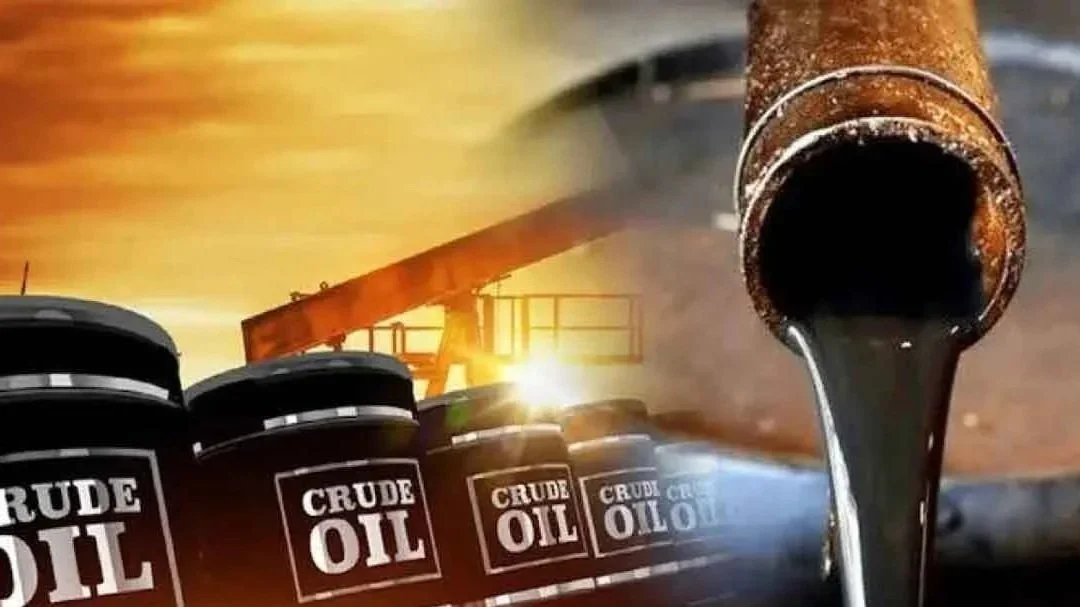
Global crude oil prices are approaching $100 per barrel as renewed conflict in the Middle East heightens concerns over supply disruptions and fuels volatility across international financial markets. The sharp increase in energy prices has renewed fears of rising inflation, higher production costs and slower economic growth, with potential implications for construction, housing and infrastructure investment in Nigeria. According to market reports, investors are closely monitoring developments in the region as geopolitical tensions continue to influence global commodity markets.
/ You Might Also Like /




The latest surge comes at a time when governments and businesses worldwide are still adjusting to elevated borrowing costs and persistent inflationary pressures, increasing uncertainty over the global economic outlook.
Geopolitical Tensions Drive Oil Market Rally
According to market analysts, renewed hostilities in the Middle East have intensified concerns about the stability of global oil supplies, pushing benchmark crude prices closer to the $100 per barrel threshold.
The Middle East remains one of the world's largest oil-producing regions, and any disruption to production, shipping routes or export facilities can significantly affect global energy markets. Investors have responded by pricing in higher geopolitical risks, contributing to the recent rally in crude prices.
Higher oil prices typically translate into increased transportation, manufacturing and energy costs, placing additional pressure on economies already grappling with inflation.
Inflation Risks Return to the Fore
A sustained increase in crude oil prices could complicate efforts by central banks worldwide to bring inflation under control.
Energy costs influence virtually every sector of the economy, affecting logistics, industrial production, agriculture and consumer goods. Rising fuel prices often increase operating expenses for businesses, leading to higher prices for goods and services.
For Nigeria, higher global oil prices may boost government revenue through increased crude exports. However, the potential gains could be offset by higher domestic energy costs, inflationary pressures and increased expenditure on fuel imports and logistics.
Implications for Housing and Real Estate
For Nigeria's housing sector, higher oil prices could have significant consequences for construction costs and project delivery.
Construction materials such as cement, steel, aluminium, glass and roofing products rely heavily on energy-intensive manufacturing processes. Rising fuel and electricity costs can increase production expenses, while higher transportation costs affect the movement of building materials across the country.
Developers may face increased project costs, potentially delaying new housing developments or increasing property prices. Contractors could also experience tighter margins as inflation raises labour, equipment and logistics expenses.
For homebuyers, sustained inflation may translate into higher mortgage costs if monetary authorities maintain tight interest rate policies to control rising prices.
Infrastructure Projects May Face Cost Pressures
Infrastructure development is similarly vulnerable to rising oil prices.
Road construction, housing estates, rail projects and other public infrastructure depend on fuel-powered equipment and the transportation of large volumes of construction materials. An extended period of elevated energy prices could increase project budgets and place additional pressure on government finances.
Private investors may also reassess project timelines if rising costs affect expected returns, particularly for capital-intensive developments requiring long construction periods.
Investor Sentiment Remains Cautious
Financial markets have responded cautiously to the latest geopolitical developments, with investors closely watching the potential impact on global growth, inflation and interest rate expectations.
While oil-exporting economies such as Nigeria could benefit from stronger export earnings if higher prices persist, economists note that sustained geopolitical instability can also discourage investment by increasing uncertainty across global markets.
For the real estate sector, macroeconomic stability remains an important factor influencing investment decisions, financing costs and long-term project viability.
Outlook
The renewed escalation of conflict in the Middle East has reintroduced geopolitical risk as a major driver of global energy markets. With crude oil prices approaching $100 per barrel, governments, investors and businesses are preparing for the possibility of renewed inflationary pressures and higher operating costs.
For Nigeria's housing and infrastructure sectors, the direction of global oil prices will remain an important variable. While stronger oil revenues could improve public finances and support infrastructure investment, prolonged increases in energy costs may raise construction expenses, affect housing affordability and influence investment decisions across the real estate market.
READ MORE