Customs, AfCFTA Advance Simplified Trade Framework to Boost MSME Trade

Simplified Trade Regime Gains Momentum as Customs, AfCFTA Align Frameworks
The Nigeria Customs Service (NCS) and the African Continental Free Trade Area (AfCFTA) Secretariat have advanced discussions on implementing a Simplified Trade Regime (STR) aimed at supporting Micro, Small, and Medium Enterprises (MSMEs) engaged in cross-border trade.
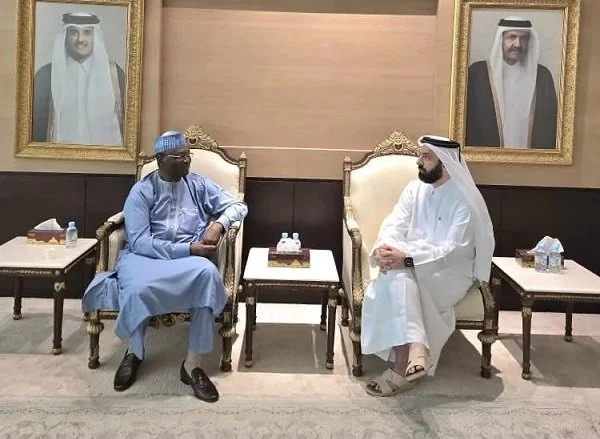
The engagement, held in Abuja, forms part of ongoing efforts to streamline trade procedures, improve efficiency, and enhance inclusiveness within Africa’s intra-regional trade framework.
/ You Might Also Like /




Nigeria Positioned as Pilot Country
AfCFTA officials confirmed Nigeria’s designation as the pilot country for the implementation of the STR in West Africa, reflecting its strategic importance as the region’s largest market.
According to AfCFTA representatives, Nigeria’s scale and trade volumes position it to drive inclusive trade and accelerate regional economic integration under the continental framework.
Framework to Simplify Trade Processes
At the meeting, the NCS presented a draft Standard Operating Procedure (SOP) outlining simplified customs processes tailored to small-scale traders. The framework covers informal cross-border trade, passenger baggage, and low-value e-commerce transactions.
Key features of the proposed regime include:
Simplified documentation requirements
Digital declaration systems for faster clearance
Risk-based controls to improve compliance
Thresholds for low-value consignments
These measures are designed to reduce bottlenecks, shorten cargo clearance times, and lower the cost of cross-border trade for MSMEs.
Focus on Inclusion and Informal Trade
The STR framework places significant emphasis on integrating informal traders into the formal economy. This includes support for women-led businesses and small-scale operators who often face barriers due to complex border procedures.
AfCFTA officials highlighted that accessible and transparent systems are critical to enabling MSMEs to comply with customs regulations and participate more effectively in regional trade networks.
Alignment with Continental Trade Objectives
Discussions between both parties revealed strong alignment between Nigeria’s proposed SOP and the broader AfCFTA framework, particularly in simplifying procedures and leveraging digital tools.
Both sides agreed to deepen technical collaboration to address operational challenges and ensure seamless integration between national systems and continental trade protocols.
Implications for Trade and Economic Growth
The implementation of the Simplified Trade Regime is expected to formalise a significant portion of informal trade flows, improve trade data visibility, and enhance revenue generation.
For MSMEs, the initiative could reduce entry barriers into regional markets, expand access to new customers, and improve competitiveness across African supply chains.
From a policy perspective, the framework aligns with broader efforts to strengthen intra-African trade, which remains below its potential compared to other global regions.
Outlook
Nigeria’s role as a pilot country places it at the centre of AfCFTA’s efforts to operationalise simplified trade systems across the continent.
Successful implementation will depend on effective coordination, digital infrastructure deployment, and sustained stakeholder engagement. If executed efficiently, the STR could become a critical tool for unlocking MSME growth and accelerating regional trade integration in Africa.
READ MORE