LAWMA Tariffs Rise in Agboyi-Ketu as Lagos Relocates Dumpsite to Ikorodu
Lagos Waste Reform Drives Tariff Hike in Agboyi-Ketu
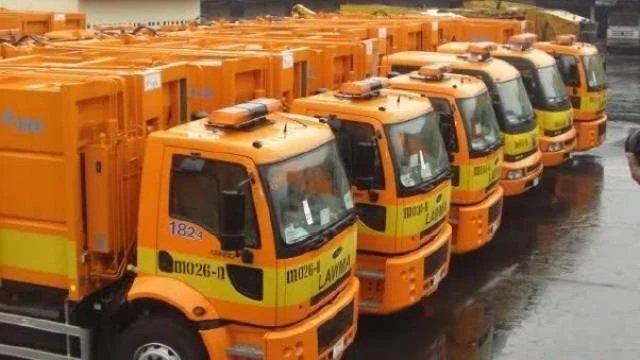
Waste collection tariffs have increased in Agboyi-Ketu Local Council Development Area of Lagos following the relocation of a major dumpsite from Ojota to Owuelepe in Ikorodu, significantly raising operational costs for service providers.
The tariff adjustment, announced by a private sector participant operating under the Lagos Waste Management Authority (LAWMA), takes effect from April 2026 and reflects rising logistics and fuel expenses tied to the longer disposal route
/ You Might Also Like /




Relocation Drives Higher Operational Costs
The increase follows the closure of the Olusosun dumpsite in Ojota, a major waste disposal site in Lagos, and the subsequent relocation of waste operations to Owuelepe in Ikorodu.
According to the operator, the longer distance to the new disposal site has significantly increased transportation costs, including diesel consumption, vehicle maintenance, and other logistics-related expenses.
The operator stated that the tariff review is necessary to sustain service delivery under the new cost structure.
New Tariff Structure for Residents
Under the revised pricing framework effective April 2026:
Single rooms and shops will pay a minimum of ₦1,500 monthly
Self-contained apartments will be charged ₦2,000
One-bedroom flats will pay ₦3,500
Duplexes will attract ₦4,500
The operator confirmed that previous tariffs will no longer apply once the new rates take effect.
Policy Shift and Waste Management Reform
The relocation forms part of broader efforts by the Lagos State Government to modernise waste management systems, reduce environmental risks, and decongest central urban areas.
Authorities are also introducing complementary reforms, including the development of transfer loading stations and material recovery facilities, in collaboration with private partners.
These initiatives aim to improve efficiency in waste handling and support a transition toward structured recycling and sustainable disposal systems.
Implications for Residents and the Sector
The tariff increase underscores the cost implications of infrastructure changes within Lagos’ waste management ecosystem.
While the relocation addresses environmental and urban planning concerns, it shifts operational costs to service providers and ultimately to consumers. Analysts note that sustained tariff increases could affect affordability and compliance rates among residents.
At the sector level, the development highlights the financial pressures facing private waste operators under the public-private partnership model, particularly amid rising fuel prices and inflation.
Outlook
Lagos’ waste management reforms signal a long-term shift toward a more structured and environmentally sustainable system. However, the transition phase is likely to involve cost adjustments and operational challenges.
Going forward, the success of the reforms will depend on balancing efficiency gains with affordability, while ensuring consistent service delivery across the state’s rapidly growing urban population.
READ MORE