Nigeria Earns ₦24 Trillion from Crude Oil Exports in H1 2026, Boosting Revenue Outlook
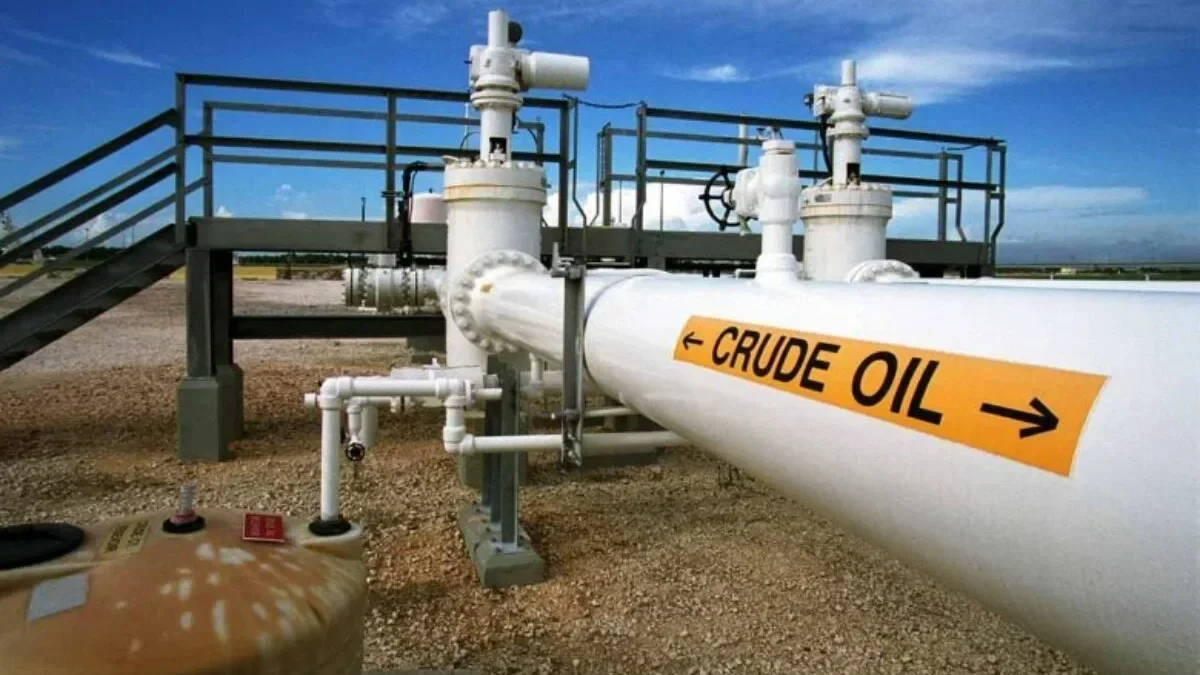
Oil Exports Generate ₦24 Trillion for Nigeria in Six Months
Nigeria earned approximately ₦24 trillion from crude oil exports during the first six months of 2026, underlining the petroleum sector's continued importance as the country's largest source of export revenue and foreign exchange earnings. The performance reflects stronger crude production, improved export volumes and favourable market conditions during the period.
/ You Might Also Like /




Data from the first quarter showed crude oil exports valued at ₦11.2 trillion, with continued improvements in production during the second quarter helping lift total earnings to around ₦24 trillion for the first half of the year. Nigeria's crude output reached its highest level since 2020 in June, exceeding its OPEC production quota as operational stability and improved pipeline reliability supported higher exports.
Higher Oil Output Strengthens Government Revenue
The increase in export earnings provides additional fiscal resources for the Federal Government while improving foreign exchange inflows and external reserves.
Higher oil receipts are expected to strengthen budget implementation, support capital expenditure and improve the government's capacity to finance priority infrastructure projects under the 2026 budget framework. The administration has identified infrastructure as one of its major spending priorities alongside education, health and security.
Improved External Position
Crude oil remains Nigeria's dominant export commodity, accounting for more than half of the country's merchandise exports during the first quarter of 2026.
The stronger export performance has contributed to improved trade balances and reinforced the country's external position, even as policymakers continue efforts to diversify revenue sources beyond oil. Continued gains in production are also supporting foreign exchange stability and investor confidence.
Implications for Housing and Real Estate
For the housing and real estate sector, stronger oil revenues can have significant indirect benefits.
Improved government revenue increases the likelihood of higher public investment in roads, housing infrastructure, water supply and urban development projects. Stronger foreign exchange earnings can also support macroeconomic stability, helping to moderate exchange rate volatility that affects the cost of imported construction materials.
A healthier fiscal position may also improve confidence among investors and financial institutions, creating a more supportive environment for residential and commercial property development.
Why It Matters
Oil remains the backbone of Nigeria's public finances despite ongoing efforts to diversify the economy.
Higher export earnings improve fiscal flexibility, strengthen external reserves and provide government with additional resources to finance infrastructure, including projects that support housing delivery and urban development. Sustaining these gains, however, will depend on maintaining production levels, improving operational efficiency and managing oil price volatility.
Outlook
If current production levels are sustained and global crude prices remain supportive, Nigeria could record one of its strongest annual oil export performances in recent years. Continued improvements in fiscal revenues would strengthen the government's ability to invest in infrastructure, while a more stable macroeconomic environment could enhance prospects for housing finance, construction activity and real estate investment.
READ MORE