The Federal Government says 185 local government areas have achieved open defecation-free status
Nigeria has recorded 185 local government areas (LGAs) with open defecation-free status, while Jigawa and Katsina have achieved the distinction across their entire states, the Federal Government has announced. The government says it must accelerate sanitation investment, improve monitoring and strengthen institutional coordination to meet its target of ending open defecation nationwide by 2030.
/ You Might Also Like /




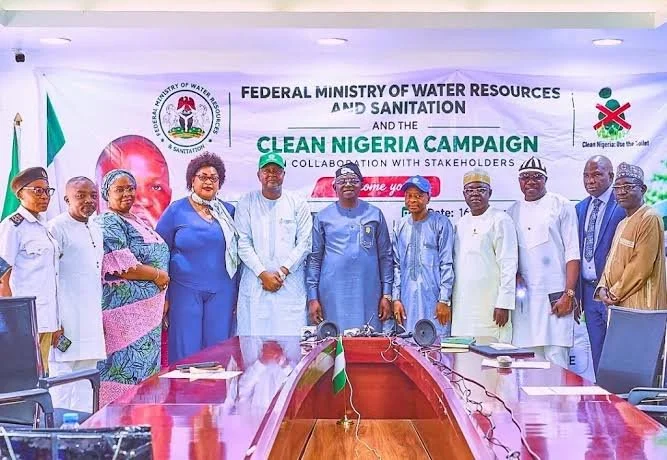
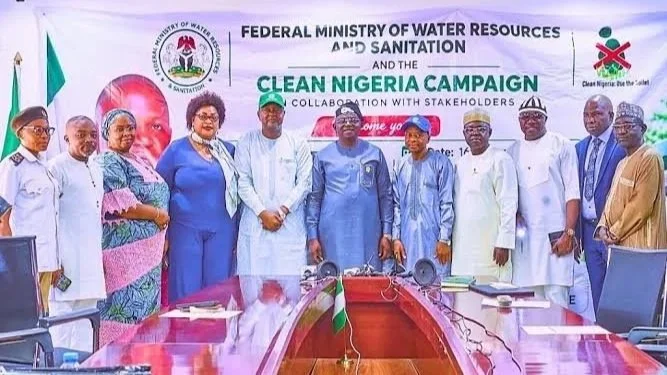
The Minister of Water Resources and Sanitation, Prof. Joseph Utsev, disclosed the figures in Abuja on Monday, November 16, 2026, during a news conference ahead of the 2026 World Toilet Day and the seventh anniversary of the Clean Nigeria Campaign.
Utsev said the progress reflected collaboration among federal, state and local governments, development partners, civil society organisations, private businesses and communities. However, he warned that the country needed sustained action to protect existing gains and extend access to safe sanitation.
FG seeks stronger implementation of 2030 sanitation target
The Federal Government has set 2030 as the deadline for ending open defecation in Nigeria. President Bola Tinubu signed the Executive Order on Open Defecation-Free Nigeria by 2030 and Other Related Matters in 2025 to improve coordination, clarify institutional responsibilities and strengthen accountability across government.
According to Utsev, Vice-President Kashim Shettima is expected to formally unveil the executive order during the World Toilet Day celebration on November 19.
The minister urged federal ministries, departments and agencies, state governments and local authorities to implement the responsibilities assigned to them under the order. He also called on state governors and local government chairmen to integrate sanitation programmes into their development priorities.
The announcement places greater emphasis on implementation at the subnational level, where local authorities play a central role in sanitation services, public toilet provision, community mobilisation and monitoring.
Financing and monitoring remain key challenges
Utsev identified sustainable financing, reliable data and stronger institutions as essential to achieving nationwide open defecation-free status.
He called on governments to make adequate budgetary provisions for sanitation, improve the use of available resources and encourage private-sector investment in sanitation infrastructure.
He also urged states to strengthen reporting systems and conduct regular monitoring to identify communities that still practise open defecation and guide interventions.
The minister stressed that achieving open defecation-free status requires more than initial certification. Governments must ensure that households and communities continue to use toilets and maintain sanitation facilities to prevent a return to open defecation.
The emphasis on sustaining existing achievements highlights a broader challenge for Nigeria's sanitation programme: certification must translate into lasting access to functional toilets, hygiene facilities and effective waste management.
States to review progress ahead of World Toilet Day
The Ministry of Water Resources and Sanitation has scheduled a two-day retreat for state representatives from November 17 to 18. The meeting, themed “Accelerating and Sustaining Progress: Financing, Data, and Systems for a Fully ODF Nigeria”, will bring together government officials, development partners and other stakeholders.
Participants are expected to review progress and develop strategies for expanding open defecation-free coverage across the country.
The retreat will precede the November 19 World Toilet Day celebration, which will coincide with the seventh anniversary of the Clean Nigeria Campaign. This year's theme, “Sanitation and Gender Equality”, will focus on inclusive access to sanitation and recognise local government areas that have attained open defecation-free status.
Ali Dallah, Director Overseeing the Office of the Permanent Secretary in the ministry, said nationwide progress would require sustained political commitment, increased investment in sanitation infrastructure, stronger institutional coordination and reliable monitoring systems.
He also highlighted the need for continued behavioural-change campaigns to encourage toilet use and prevent communities from losing their open defecation-free status.
Sanitation progress has implications for communities and urban development
The achievement of 185 open defecation-free local government areas represents progress towards improving public health and environmental conditions. However, the scale of the remaining challenge means that government action must extend beyond declarations and certification.
Access to functional toilets and safe sanitation services forms part of the infrastructure required for healthy and liveable communities. Inadequate sanitation can contribute to environmental pollution, expose residents to disease and weaken the quality of neighbourhoods.
For housing and urban development, sanitation provision also matters to the planning and delivery of residential communities. Developers and public authorities need to consider access to toilets, wastewater management and the maintenance of sanitation facilities as essential components of liveable settlements.
Nigeria's ability to meet its 2030 target will therefore depend on whether governments can convert policy commitments into adequately funded facilities and reliable services, particularly in communities that lack basic sanitation infrastructure.
The Clean Nigeria: Use the Toilet Campaign began in November 2019 to promote safe sanitation and eliminate open defecation. It supports Sustainable Development Goal 6.2, which calls for access to adequate and equitable sanitation and hygiene for all by 2030.
While 185 LGAs and two states have attained open defecation-free status, the next phase will require the government to expand coverage, maintain existing achievements and demonstrate measurable progress towards nationwide certification.
READ MORE